
Types of Billiard Slate
Pool slate, snooker slate, carom slate and the Chinese 8-ball variant — what actually differs between them.
Walk past the finished racks in our dispatch shed on any given morning and you may pass four crates in a row, all four holding billiard slate, all four bound for different countries. One carries a three-piece pool set. One carries a five-piece snooker bed. One holds pocketless carom slate. The last is a Chinese 8-ball set, machined to a drawing that barely existed as an export specification a generation ago. Same quarry belt, same grey stone — and not one of the four is interchangeable with any of the other three.
That is the point most introductions to the subject skip. There is no such thing as a "type" of slate in the ground. The quarry produces one material; the types are created afterwards in the workshop, by the cutting list, the thickness calibration, the piece count and the CNC machining, because each family is engineered for a different table. So the practical question is never "which billiard slate is best?" It is: what table is this slate being built for?
This page is a working manual for that question — how the four families differ, how to tell them apart with a tape measure, and how to order without falling into the label trap.
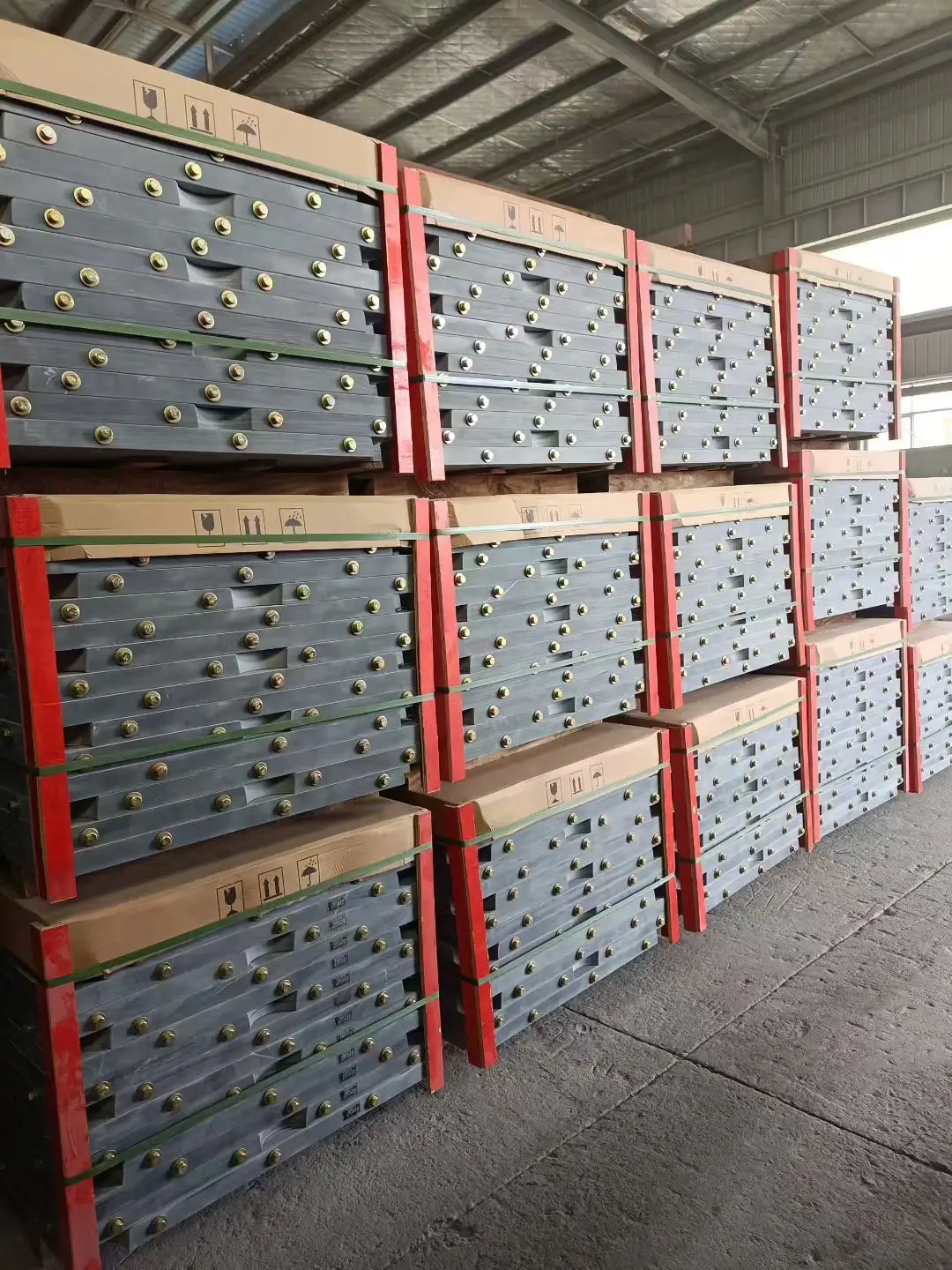
Quick answer: the type is defined by the table, not by the rock. Pool slate is commonly supplied in three pieces and around 19–25 mm in many table designs; full-size snooker slate is commonly supplied in five pieces and around 38–45 mm, although other specifications are also used. Carom slate is pocketless, with a particularly strong emphasis on flatness and often machined for under-bed heating; Chinese 8-ball slate has a 9-foot footprint with snooker-style pockets and its own drawing. The same quarry material can feed all four families — finished sets cannot be swapped. Order by drawing, not by label.
The four families at a glance:
| Family | Typical use | Common configuration | Common thickness band | Key requirement |
|---|---|---|---|---|
| Pool slate | American pool, 7–10 ft (9 ft is the commercial standard) | Usually 3-piece | ~19–25 mm | Flatness, thickness consistency, machining accuracy |
| Snooker slate | 10 and 12 ft snooker | Usually 5-piece | ~38–45 mm | Large-area stability, dimensional accuracy |
| Carom slate | Three-cushion and French carom billiards | 1-, 3-piece or builder-specific | Varies by design, often thicker | Flatness and leveling accuracy, heating compatibility |
| Chinese 8-ball slate | Chinese 8-ball / Heyball | Manufacturer-specific | Table-specific | Playing-area and machining accuracy |
These are general market ranges, not universal standards — there is no single slate specification that covers every table in a size class. Exact dimensions, thickness and machining depend on the table manufacturer's engineering; the detailed numbers live on the dedicated pages linked from each section below.
There Are No Types of Slate in the Quarry
A slate block has no idea what it is going to become. Cut from the same beds in the same hillside, one block becomes roofing slate for a European roof, another becomes a snooker bed, a third becomes a three-piece pool set. The stone does not change; the order on the cutting board does. Everything people call a "type" of billiard slate — pool, snooker, carom, Chinese 8-ball — is created in the workshop, when raw stone becomes a finished component with dimensions, a thickness, a piece count and a machining pattern that belong to one table design.
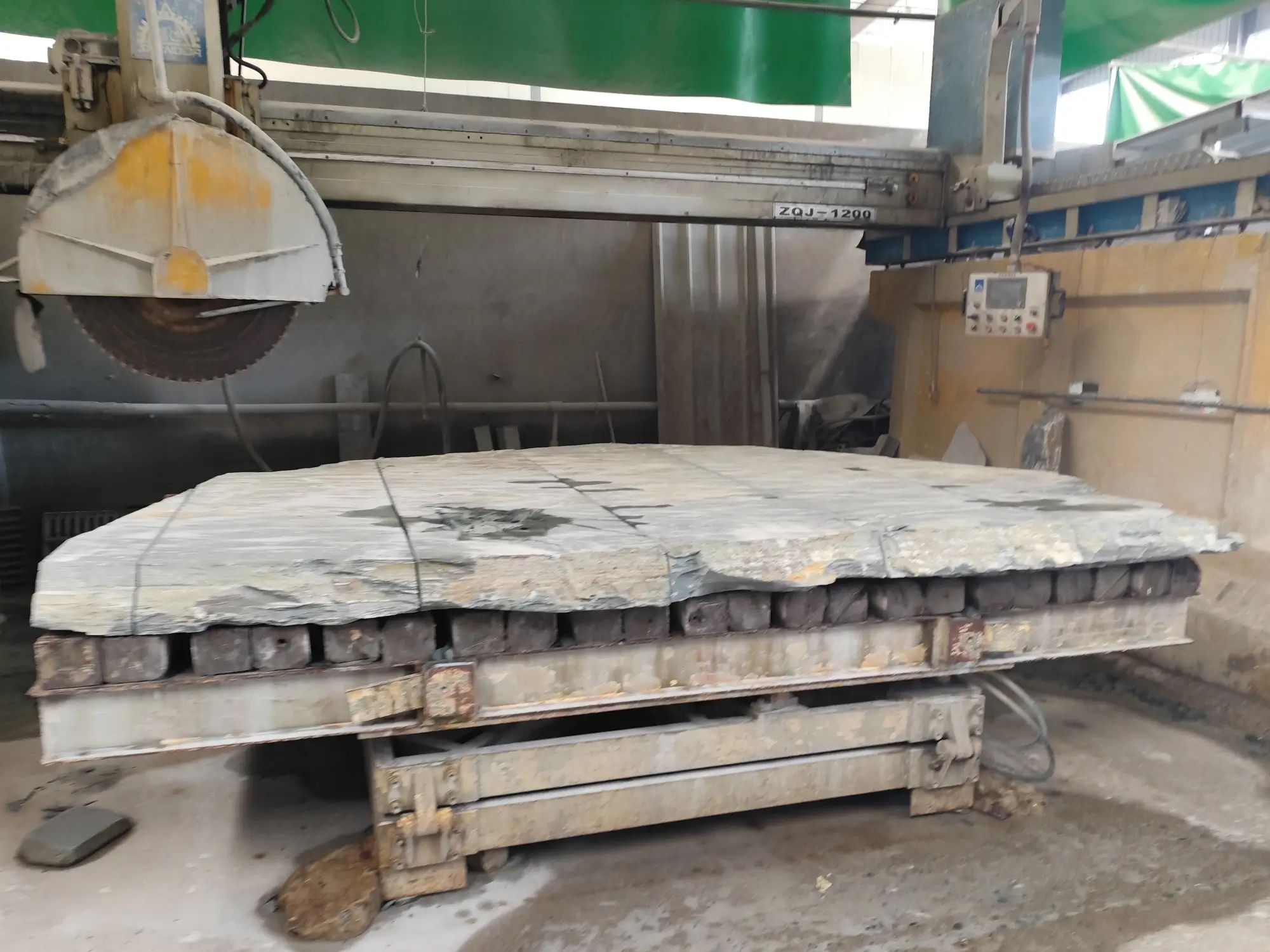
Two consequences follow, and both matter at the point of purchase. First, a type is not a quality grade: a 45 mm snooker bed is not a premium pool bed, it is a different product built for a different job. Second, the material is a separate question from the machining. Why slate rather than wood or composite has its own answer on Why Are Pool Tables Made with Slate?, and the material reference — what the stone is, and how billiard slate differs from roofing slate cut off the same block — lives on What Is Billiard Slate?. This page picks up after those decisions: one raw material, four different products.
The Four Numbers That Do the Classifying
Hand a knowledgeable buyer an unlabelled slate set and a tape measure, and the set will identify itself in ten minutes. Four measurements do nearly all the work.
1. The finished dimensions of each piece. Not the nominal table size — the actual length and width of the stone. Three different numbers all get called "size", and the most expensive confusion in the trade lives between them.
2. The thickness. Measure the edge, not the brochure. Pool beds commonly sit in the 19–25 mm band; full-size snooker beds in the 38–45 mm band. Few single measurements sort the families faster.
3. The piece count and the direction of the joints. One, three or five pieces, with the joints normally crossing the short way. The count follows the size of the bed and the route it has to travel — it is a transport and installation decision, never a quality grade.
4. The machining features. Pocket cut-outs, or their absence on a carom bed; the bolt-hole pattern; countersinks; edge details. Two slates with identical dimensions can belong to two different table brands because the holes sit in different places — which is why the machining, not the size, is what finally locks a slate set to its table.
Table size ≠ slate size. A "9-foot table" does not mean the slate is nine feet long. The nominal table class, the playing area, the slate outline and the table cabinet are all different dimensions — and a slate order runs on the slate outline. The full mapping from table classes to finished slate dimensions lives in the Pool Table Slate Size Guide.
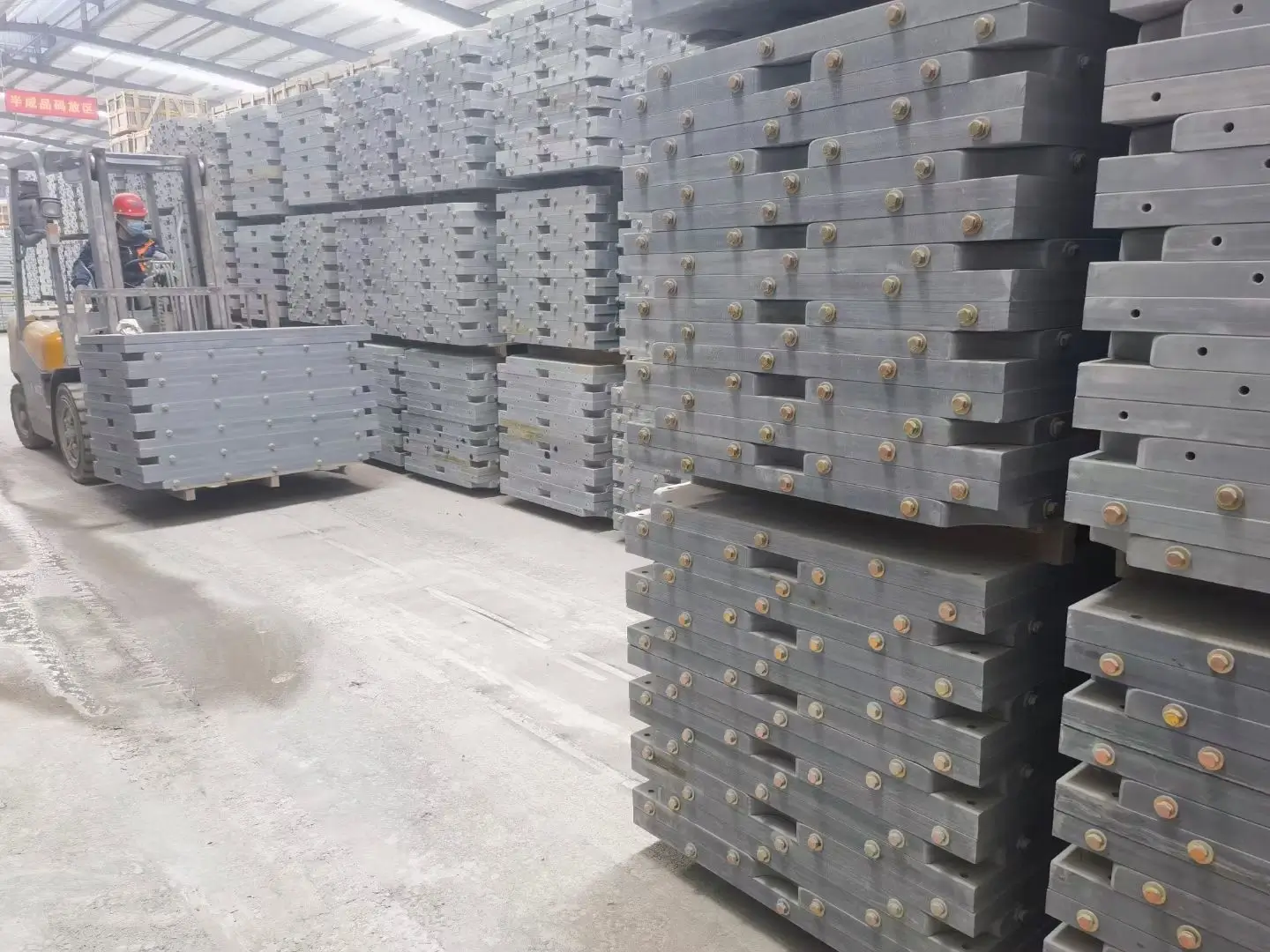
Run those four measurements over any set and the family becomes obvious. So that is exactly what the next four sections do, one family at a time.
Pool Table Slate
American-style pool is where most of the world's billiard slate tonnage goes. The tables come in 7, 8, 9 and 10-foot classes, with the 9-footer the commercial and tournament standard. The default bed is three pieces — three rectangular panels, two crosswise joints — because three pieces are what made stone beds shippable in the first place: each piece can be crated, carried and set, and the set is then aligned and levelled as one plane on the frame. One-piece beds survive on smaller tables that will never be carried up a staircase; the honest trade-offs have a page of their own in One-Piece vs Three-Piece Pool Table Slate.
Thickness runs 19, 22 or 25 mm, with professional 9-footers almost always at the thick end of the band. As a practical example — and only an example — a 2,718 × 1,448 × 25 mm three-piece set weighs roughly 250–270 kg depending on the actual dimensions and slate density; the inspection data and tolerances behind such figures live on Billiard Slate Quality & Test Data. What makes a pool set a pool set is less the size than the machining: pocket cut-outs in each corner geometry, bolt holes for rails and supports, all cut to the table factory's drawing. The dedicated pages — Pool Table Slate and the Pool Table Slate Thickness Guide — take those one at a time.
Snooker Table Slate
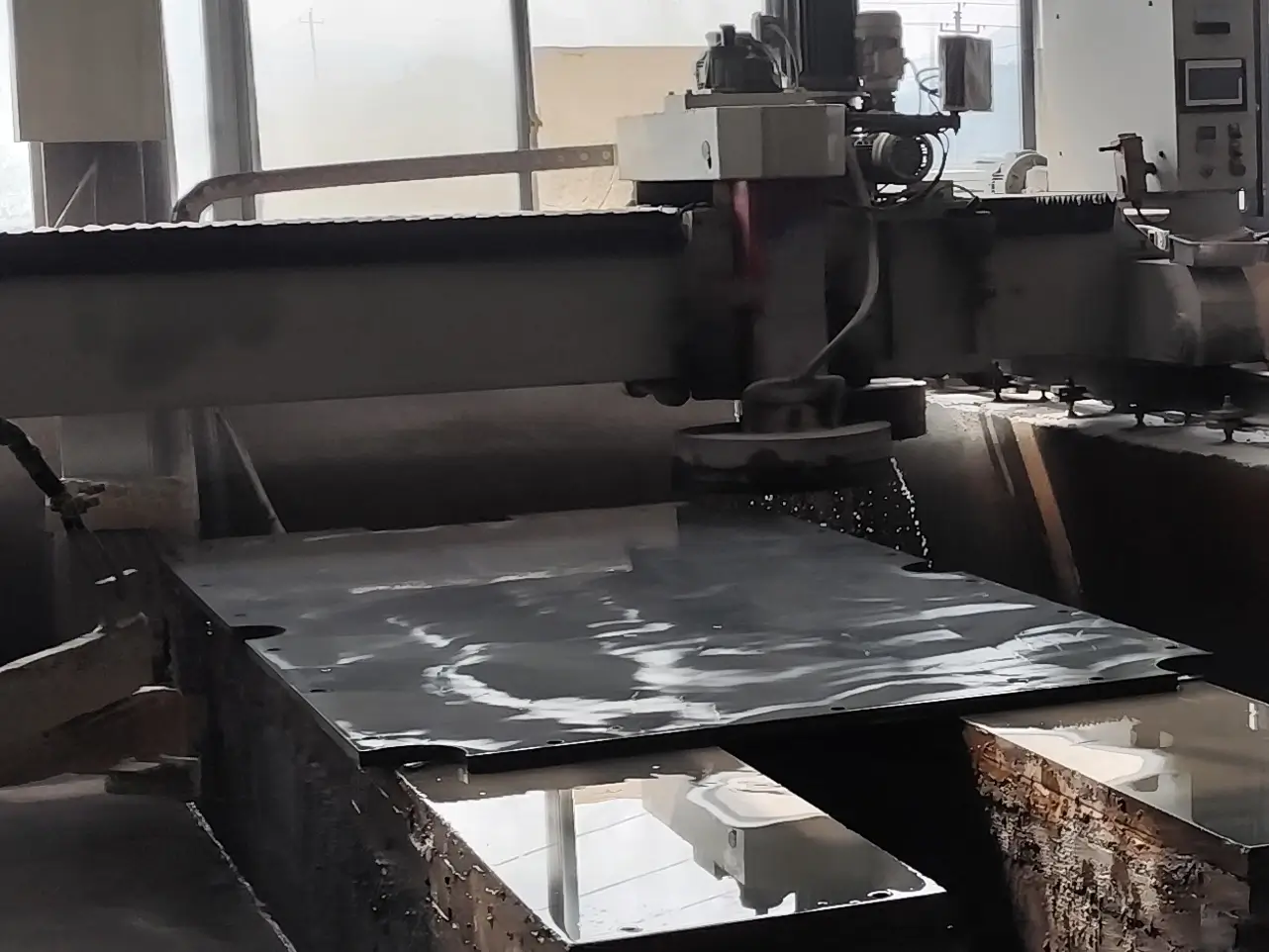
A full-size snooker table is a 12-foot class table with a playing area of roughly 3.57 × 1.79 m, and the slate runs larger still — one common overall example sits around 3,658 × 1,867 mm. Beds that size are almost always five pieces, because a snooker panel left in fewer pieces would be unmanageable to crate, carry and level.
And they are thick. 45 mm is the common international specification, with 38 and 50 mm both in use depending on the table's engineering. The thickness is structural, not cosmetic: a bed spanning more than three and a half metres has to hold its plane under its own weight across that span, year after year, on the frame designed for it. Run the arithmetic on the example above and a full-size snooker bed comes to roughly 800 kg of stone — five pieces in the 160–170 kg range each. Pieces that heavy do not go through every interior door, and they decide their own handling plan.
One label trap deserves its own sentence. "12-foot snooker slate" names the application; it does not define the product. Two snooker-table factories can run different thicknesses, joint layouts and hole patterns on nominally identical tables — so the specification, again, is the drawing, not the name. The dedicated pages are Snooker Table Slate and the Snooker Slate Thickness Guide, and the head-to-head lives on Pool Slate vs Snooker Slate.
Carom Table Slate
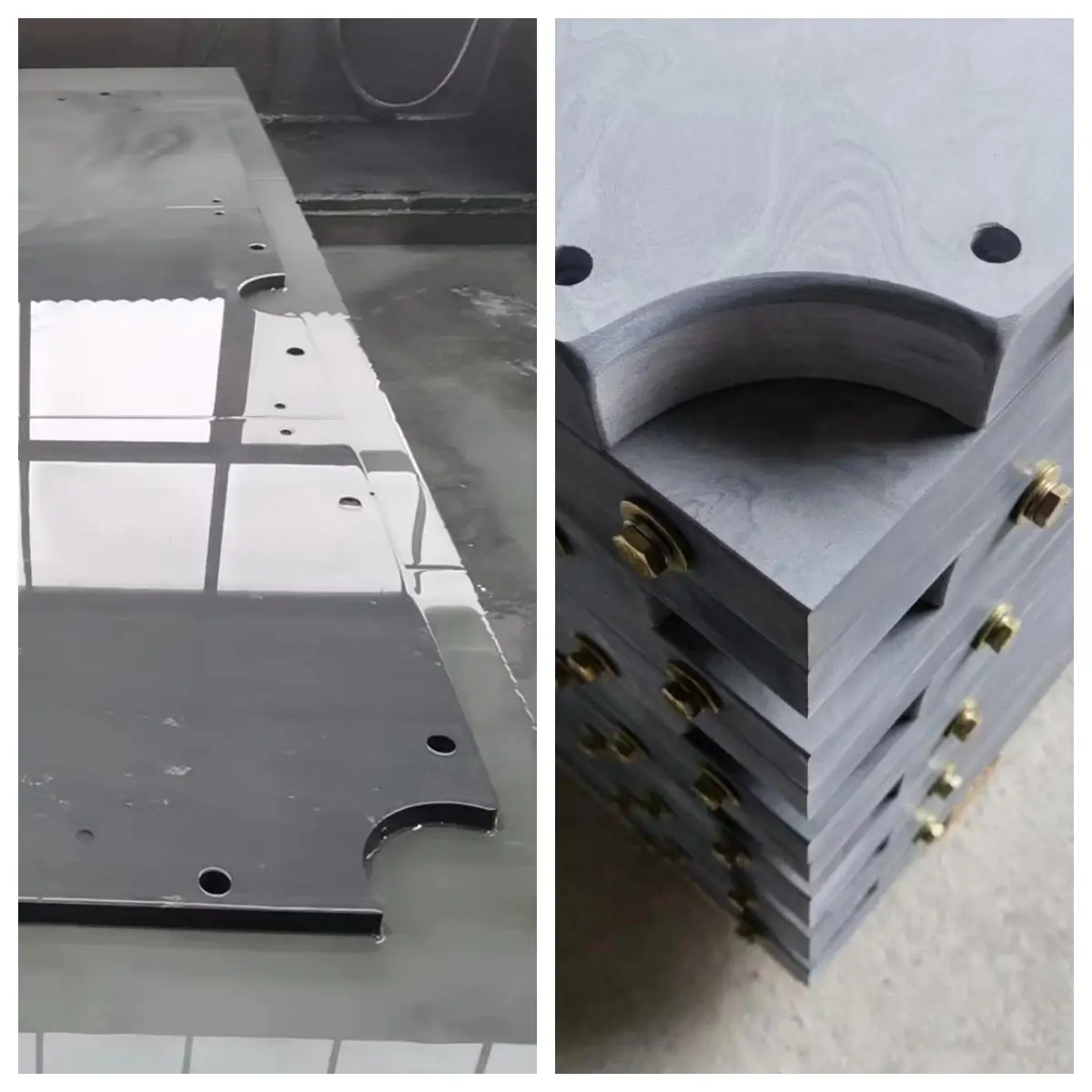
Carom billiards — three-cushion and the French game — is played without pockets: there is no net to catch an error and no pocket to mask a shallow rail, so the bed is the whole game. Carom slate therefore places a particularly strong emphasis on flatness and leveling accuracy, because ball movement depends heavily on the playing surface. Tables run in the 9 and 10-foot classes, and depending on the design the slate may be thicker than a pool bed of the same footprint and may carry an under-bed heating system, which puts holes and cable channels into the drawing. The full breakdown — piece counts, thicknesses, heating systems — lives on the dedicated Carom Table Slate page.
Chinese 8-Ball Table Slate
Chinese 8-ball — increasingly known internationally as Heyball — is the youngest family here, and in our workshop a fast-growing one. In table construction it has characteristics that distinguish it from conventional American pool tables, including its playing-area dimensions, rounded pocket geometry, cushion system and frame design. The temptation, and it is a temptation we see again and again, is to write "9-foot pool slate" on the purchase order and move on.
Chinese 8-ball slate should not be specified by table size alone. A table described as a "9-foot Chinese 8-ball table" may still require slate dimensions, playing-area dimensions, thickness, pocket openings and machining details that differ from a conventional American 9-foot pool table — one common example works out near 2,540 × 1,260 mm of playing area, with the physical slate larger again for pocket jaws, cushion mounting and rails, and the pocket machining following the rounded snooker-style opening rather than the American pattern. For OEM production, the manufacturer's drawing matters more than the nominal table size — which is why Chinese 8-ball orders go out with a drawing, or they do not go out. The dedicated page is Chinese 8-Ball Table Slate.
Russian Pyramid Table Slate
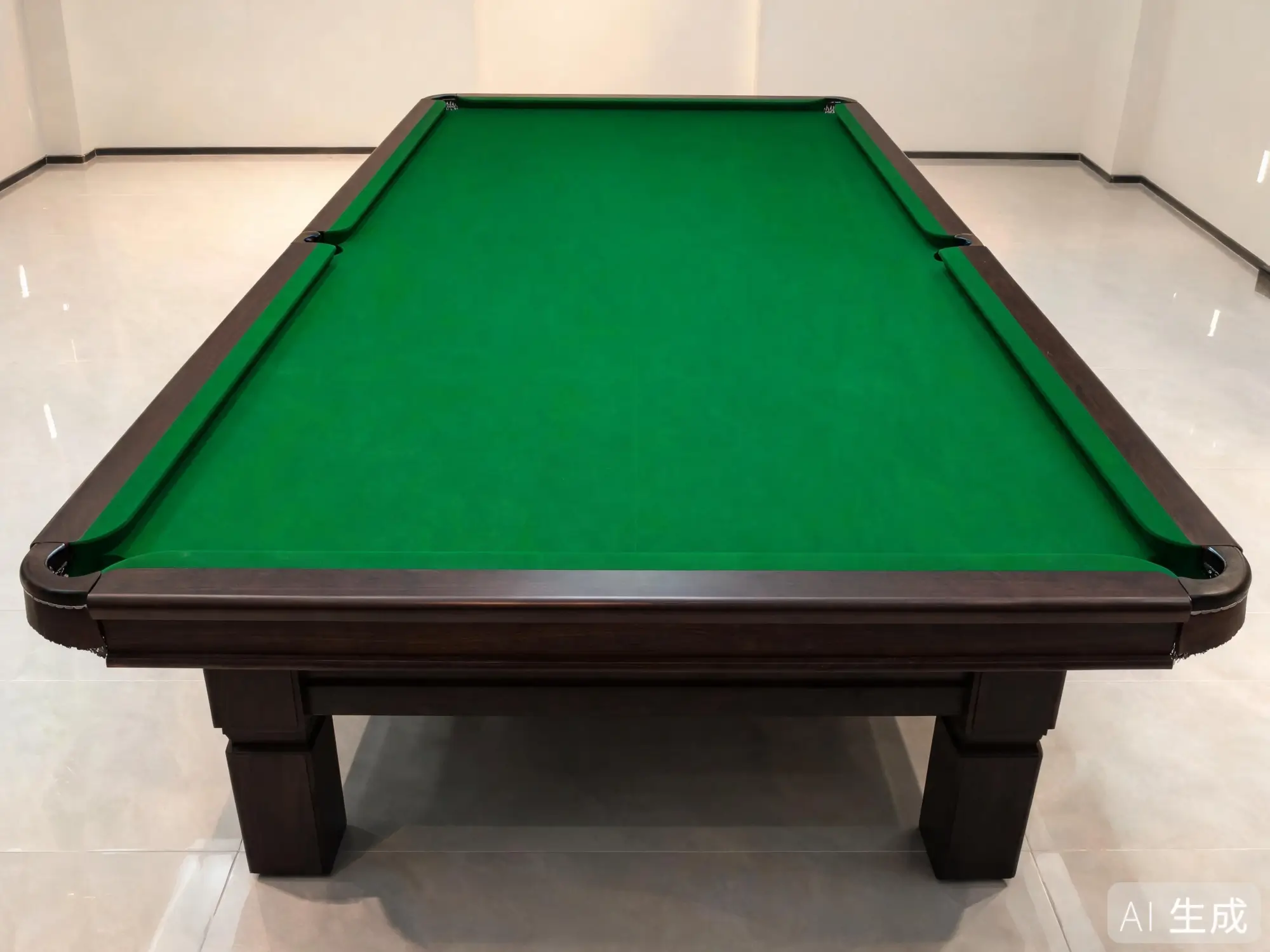
Russian pyramid tables carry an oversized playing surface with their own slate dimensions, thickness and pocket requirements, so the slate is specified from the table manufacturer's drawing rather than treated as a standard pool-table slate. Read more: Russian Pyramid Table Slate.
Korean Carom Table Slate
Korean four-ball tables can carry specifications that differ from Western three-cushion tables — dimensions, thickness, heating and machining all want confirming against the target table design. Read more: Korean Carom Table Slate.
Does Thicker Billiard Slate Mean Better Slate?
No. Thickness is a structural decision that follows the span of the bed and the frame behind it; past the point the design calls for, extra stone adds weight and cost rather than performance. What actually separates a good bed from a poor one is measurable — flatness, thickness consistency, machining accuracy, joint accuracy and the table's own support. The thickness logic for each family has its own pages — Pool Table Slate Thickness Guide and Snooker Slate Thickness Guide — and the inspection numbers behind a quality bed are on Billiard Slate Quality & Test Data.
The Misidentification Clinic
Four questions that arrive in our inbox wearing the wrong labels — in roughly this order:
Can I order "9-foot billiard slate" and let the factory work out the rest?
The table class is the least useful part of the specification. Two 9-foot tables from two factories can differ in playing area, overall slate size, thickness, joint layout and every hole position. A factory can quote a common pattern from experience, but the correct product needs the finished dimensions of each piece, the thickness and tolerance, the piece count and the machining drawing.
Is Chinese 8-ball slate just 9-foot pool slate under another name?
Usually not. The footprint is similar, but the pocket geometry, cushion mounting and frame construction follow snooker-style design, and the playing area and overall dimensions are set by each table builder. A relabelled pool set will not line up at the pockets — order from the builder's drawing.
Can pool slate and snooker slate come from the same quarry?
Yes — the raw material is often identical, and a pool order and a snooker order can be cut from neighbouring blocks in the same week. What differs is everything the workshop does afterwards: dimensions, thickness, piece count, joint machining and hole layout. Same rock, different finished products.
Is a five-piece slate better than a three-piece slate?
Neither configuration is a quality grade. The piece count follows the size of the bed, the transport route and the installation method — five pieces exist because a full-size snooker bed in fewer pieces would be unmanageable to crate, carry and level. Quality lives in flatness, joint machining and inspection, not in the number of pieces.
Interchangeable? Only as Raw Material
The same quarry material can serve several billiard applications, but the finished slate is engineered for one specific table. In our workshop a pool order and a snooker order can come off neighbouring blocks cut in the same week, and geologically they are identical. What separates them is everything the workshop does afterwards — the dimensions, thickness calibration, piece count, joint machining and hole pattern.
A slate set is not "a piece of flat stone"; it is a machined component, and the machining is the type. That is also the honest answer to "is there a best type of billiard slate?" — there is a right type for your table, whichever set matches its engineering, and a wrong type, which is any other. Working through that decision table-first is the business of How to Choose Billiard Slate.
What Should You Tell a Billiard Slate Manufacturer?
Our order desk still receives emails that read, in their entirety: "Please quote 9ft billiard slate." The reply is always the same six requests:
- Table type — pool, snooker, carom, Chinese 8-ball, pyramid, or the variant named.
- Table size — the nominal class: 7, 8, 9, 10 or 12 feet. Context, not specification.
- Playing area — the actual playing-field dimensions, where you have them.
- Slate thickness — with the tolerance where your engineering states one.
- Number of pieces — three-piece, five-piece, or the builder's own arrangement.
- Technical drawing and machining requirements — pockets, bolt holes, countersinks, edges, or the table model the set must drop into.
For OEM production, a technical drawing is normally more useful than a table-size description alone — an order carrying those six items cannot be misread. The complete sourcing route, from first enquiry to shipped crate, lives on the Billiard Slate Buying Guide.
Key takeaway: the type is not in the stone — it is in the finished specification and drawing. Send the drawing, and the type takes care of itself.
Related Billiard Slate Guides
Need a Specific Slate Specification?
If you are a table manufacturer or importer, send us the table type, the nominal table size, the playing-area dimensions, the slate thickness, the number of pieces and the technical drawing — we can confirm the required slate specification before production.
Request a Billiard Slate Specification →
Or browse the billiard slate range.