
How to Choose the Right Roofing Slate: A Practical Selection Guide
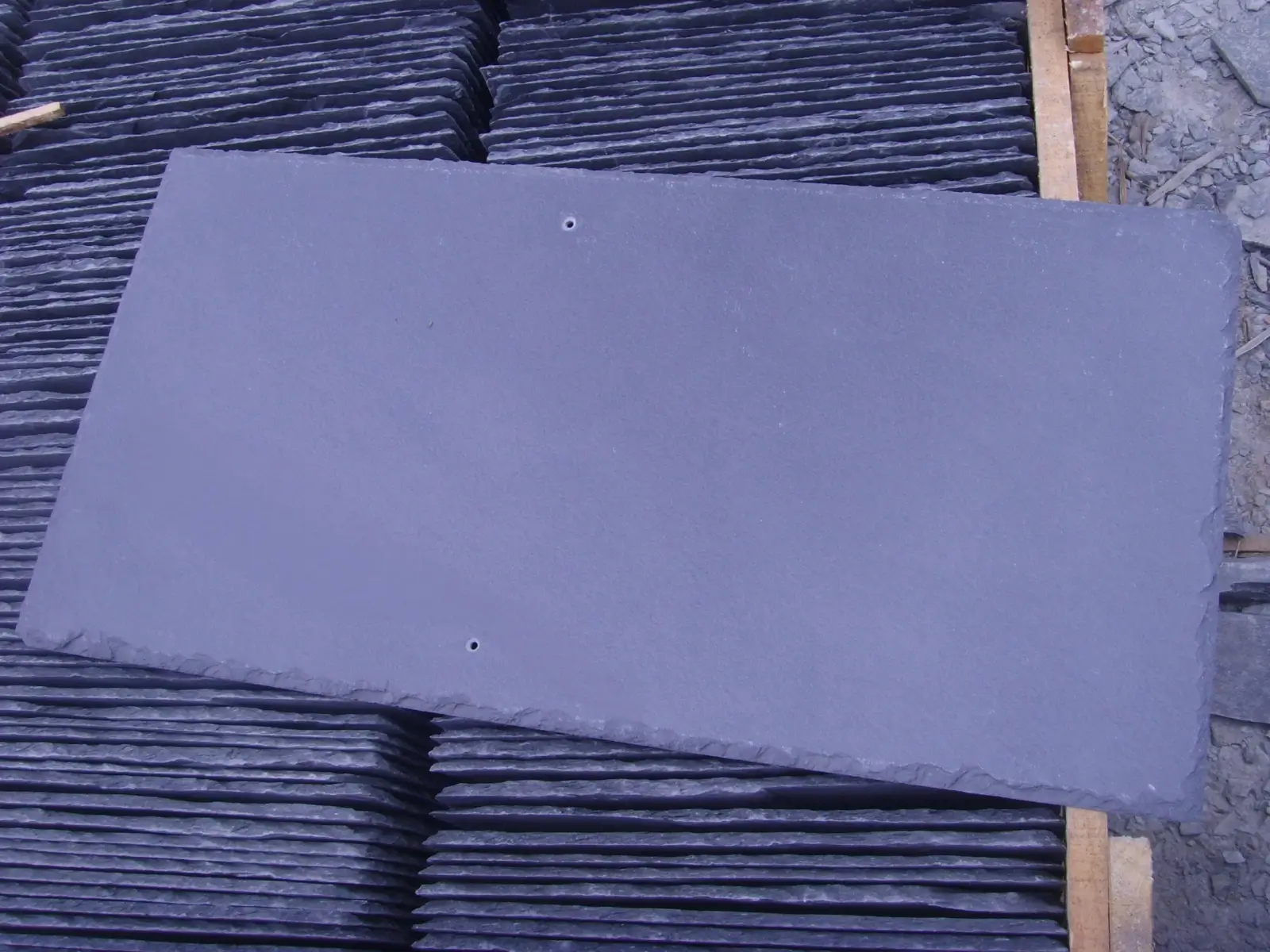
Choosing the right roofing slate is a decision that will sit on your roof for the next 100 years. Get it right and you get a beautiful, low-maintenance roof that lasts several generations. Get it wrong — wrong size, wrong thickness, or wrong grade — and you face leaks, wind damage, or an expensive early replacement.
This guide walks you through the five decisions that matter most when selecting natural roofing slate: roof pitch, slate size, slate thickness, color, and quality grade. By the end you will be able to specify slate confidently — whether for a heritage restoration, a new build, or a commercial project.
Quick Answer: Choose roofing slate in five steps — (1) check your roof pitch, (2) pick a slate size that suits the roof design, (3) select a thickness that matches your climate and structure, (4) choose a color that fits the architecture, and (5) verify the slate grade against EN 12326 or ASTM C406. For most UK and European residential roofs, 500 × 250 mm slate at 5–7 mm thick in dark grey or black is the safest, most popular combination.
Step 1: Check Your Roof Pitch First
Roof pitch is the single most important factor in slate selection, because it determines the minimum headlap required to keep the roof weathertight.
- Pitch below 20°: natural slate is rarely recommended; you need specialist low-pitch systems with large overlaps.
- Pitch 20°–25°: possible, but requires a larger headlap and a weatherproof underlayment. Confirm with your architect.
- Pitch 25° and above: the normal range for natural slate — the steeper the roof, the more flexibility you have.
If you are unsure how your roof pitch affects your choices, our roofing slate installation guide explains headlap and fixing requirements in detail.
Step 2: Choose the Slate Size
Slate size drives the appearance, the number of pieces per square metre, and the installation cost. The most common roofing slate sizes are:
| Slate Size | Style | Best For |
|---|---|---|
| 300 × 200 mm | Small, traditional | Heritage buildings, cottages, complex roof shapes |
| 400 × 250 mm | Medium | Standard European residential roofs |
| 500 × 250 mm | Medium-large | Most popular UK residential size |
| 600 × 300 mm | Large, modern | Villas, commercial buildings, contemporary homes |
| 600 × 400 mm | Extra large | Premium architectural projects |
Larger slates cover more roof per piece and install faster, but they are heavier and less flexible around valleys, dormers, and hips. Smaller slates create a classic texture but raise labour cost.
Step 3: Select the Correct Thickness
Slate thickness is measured independently from size. A 500 × 250 mm slate can be split at 4–6 mm, 5–7 mm, or 6–8 mm depending on the quarry and order. Thicker slate is stronger and more wind-resistant, but heavier. General guidance:
- 4–6 mm: lightweight, economical, fine for low-to-medium pitch residential roofs in mild climates.
- 5–7 mm: the standard for UK and European roofing, balancing strength and weight.
- 6–8 mm and above: for coastal, high-wind, or snow regions, or where added impact resistance matters.
See our roofing slate thickness guide for a full comparison.
Step 4: Pick a Color That Fits the Building
Natural slate comes in black, grey, green, purple, and multicolor tones. A simple rule:
- Black or dark grey — the safe choice for most traditional and modern homes.
- Light grey — bright, contemporary, popular in Scandinavia.
- Green or purple — rare, premium colors for luxury or heritage projects.
- Multicolor or weathering slate — rustic character for country houses.
Request physical samples before ordering: natural slate color changes with daylight, rain, and viewing angle.
Step 5: Verify the Quality Grade
Not all slate is created equal. The quality of the stone — its water absorption, flexural strength, and freeze-thaw resistance — determines whether your roof lasts 50 years or 150 years. The two standards buyers rely on are EN 12326 (Europe) and ASTM C406 (North America).
Always ask your supplier for:
- Quarry origin and geological stability information
- Water absorption and flexural strength test results
- Freeze-thaw test evidence for cold climates
- Consistent thickness and dimension tolerance
Our roofing slate grades guide explains how to read S1/T1 and A1/F1 classifications, and our test results page shows the standards Jiujiang Slate meets.
Quick Selection Checklist
- ✅ Roof pitch confirmed (20°+ for slate; 25°+ preferred)
- ✅ Slate size matches the roof design and architectural style
- ✅ Thickness chosen for climate and roof structure
- ✅ Color approved with physical samples
- ✅ Quality grade verified against EN 12326 / ASTM C406
- ✅ Supplier confirmed on sorting, packing and delivery standards
Roofing Slate Selection FAQ
What is the most common roofing slate size?
The 500 × 250 mm (20 × 10 in) slate is the most popular for residential roofs in the UK and Europe, offering the best balance of appearance, coverage and cost.
Is thicker slate always better?
Not necessarily. Thicker slate is stronger and more weather-resistant but heavier and more expensive. Choose the thickness matched to your climate and roof structure rather than automatically picking the thickest.
Can I mix different colors of roofing slate?
Yes. Many rustic and country homes deliberately use multicolor or weathering slate for a natural blended appearance. For a uniform look, ask your supplier for color-sorted or color-blended slate.
How do I know if a roofing slate supplier is reliable?
Check that they provide test reports, consistent grading, physical samples, and clear production and packing standards — and ideally a factory visit or third-party pre-shipment inspection.
Planning a slate roof project?
Tell us your roof pitch, building style and location, and we will recommend the right slate size, thickness, color and grade for your project — with samples before you order.