
Table of Contents
Natural Slate for 9ft Heyball Tables
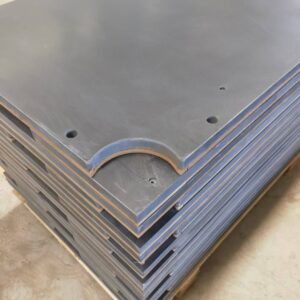
Heyball, also known as Chinese 8-Ball, is played on a 9ft-class competition table with rounded, snooker-style pocket entrances and standard pool-size balls. This combination makes accurate potting more demanding than on a conventional American pool table. For table manufacturers, the slate must therefore do more than provide a hard playing base. Accurate surface grinding supports true ball roll, while precisely machined pocket cut-outs, closely matched sectional joints and reliable structural stability help the completed table perform consistently.
Slate of China manufactures natural slate for 9ft Heyball tables according to each customer’s table construction drawing. We coordinate the slate outline, thickness, sectional layout, pocket geometry, rail-system interface, mounting holes and frame-support requirements so that every slate set fits the intended table design.
Under current WPA Heyball rules, the internal playing area is 2,540 × 1,260 mm, with a permitted tolerance of ±9 mm. This is the competition playing-area dimension—not the overall cut size of the slate. Final slate dimensions must be determined from the cushion rails, pocket assemblies and table-frame construction. Send us your CAD drawing or technical specifications for a manufacturing review and quotation.
Important Size Note
2,540 × 1,260 mm is the regulated internal playing area, not the overall slate size. The finished slate outline must match the table’s cushion rails, pocket system and frame structure.
9ft Heyball Slate Specifications
Our 9ft Heyball table slate is manufactured for Chinese 8-ball table builders, equipment brands and professional table projects. Each slate set can be machined from the customer’s approved construction drawing, helping ensure that the overall dimensions, rounded pocket profiles, mounting holes and sectional joints match the rail system and table frame. Please confirm the required slate thickness and configuration before quotation.
| Specification | Standard / Available Options |
|---|---|
| Product | 9ft Heyball Table Slate |
| Application | Chinese 8-Ball / Heyball Tables |
| Slate Material | Selected Jiujiang Natural Slate |
| Playing Area Reference | 2,540 × 1,260 mm |
| Overall Slate Dimensions | Manufactured according to the approved table construction drawing |
| Slate Thickness | 45 mm standard; 40 mm and 50 mm available on request |
| Slate Configuration | Three-piece matched slate set |
| Surface Finish | Precision ground and thickness-calibrated |
| Pocket Profile | Rounded Heyball-style corner and side pocket cut-outs |
| Mounting Holes | CNC drilled according to the approved customer drawing |
| Edge Machining | Cut, ground, chamfered or custom-profiled as specified |
| Sectional Joints | Machined and matched for accurate assembly |
| Flatness | Inspected according to the agreed manufacturing tolerance |
| Customization | Overall dimensions, thickness, pocket geometry, hole pattern and edge profile |
| OEM Service | Drawing-based production for Heyball table manufacturers and brands |
| Quality Inspection | Dimensions, thickness, flatness, pocket profiles, holes and edge condition |
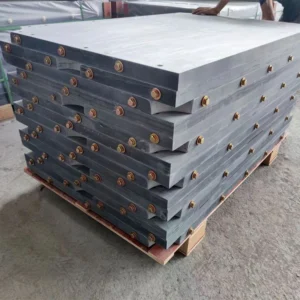
| Export Packing | Matched, numbered and packed in reinforced export wooden crates |
Important Size Note: The 2,540 × 1,260 mm measurement refers to the internal playing area of a Heyball table. It is not the overall slate dimension. The finished slate size must be determined from the cushion rails, pocket assemblies, frame structure and table construction drawing.
Looking for a custom 9ft Heyball slate set? Send us your table drawing with the required slate thickness, sectional configuration, overall dimensions, pocket geometry and mounting-hole positions. Our technical team will review the specifications before production and quotation.
Our Email: sinoslate@gmail.com
How Is Heyball Slate Different from Standard Pool Table Slate?
A 9ft Heyball table slate may look similar to standard American pool table slate, but the two are engineered for different table systems. Heyball tables use rounded, snooker-style pocket entrances, creating a more demanding target than the typically wider and more angular pockets found on American pool tables. The WPA also identifies the 9ft table and rounded, snooker-like pockets as defining characteristics of Heyball.
| Feature | Standard American Pool Slate | Heyball Table Slate |
|---|---|---|
| Table Application | American pool tables | 9ft Chinese 8-ball / Heyball tables |
| Pocket Entrance | Typically wider, with more angular entrance geometry | Rounded, snooker-style pocket entrances |
| Playing Character | Designed for conventional American pool play | Requires greater pocketing accuracy |
| Typical Slate Thickness | Commonly 25–30 mm, depending on table design | Often specified with a thicker, heavier-duty construction |
| Pocket Cut-Outs | Conventional American pool cut-outs | Machined to match the required Heyball pocket radius and assembly |
| Slate Outline | Often based on established pool-table designs | Frequently customized to a specific Heyball table model |
| Rail Interface | American pool cushion and rail system | Heyball-specific cushion, rail and pocket system |
| Mounting Holes | Relatively standardized on established models | CNC drilled to the customer’s rail and frame drawings |
| Sectional Joints | Common standard three-piece arrangement | Section layout and joints matched to slate thickness and frame support |
| Customization | Often produced to standard model specifications | Commonly manufactured from customer drawings or sample slates |
Heyball slate is not simply a thicker version of standard 9ft pool table slate. Increasing the thickness alone cannot convert a conventional pool slate into a properly engineered Heyball slate set.The correct Heyball slate is defined not by thickness alone, but by its compatibility with the complete pocket, rail and table-frame system.
The slate outline, pocket cut-outs, corner and side pocket geometry, rail-mounting holes, sectional joints and frame-support positions must work together as one table-specific system. Even a small mismatch can cause installation difficulties, uneven rail alignment, inconsistent pocket openings or poor joint support.
It is also important to understand that the finished pocket entrance is created by the combined geometry of the slate cut-out, cushion noses, rail facings and pocket assembly. The stone cut-out should therefore be manufactured from the approved table drawing rather than copied from a generic 9ft pool slate.
Slate of China manufactures custom 9ft Heyball table slate for Chinese 8-ball table manufacturers, brands and OEM projects. We machine the slate thickness, outside profile, rounded pocket cut-outs, mounting-hole pattern and sectional configuration to match the customer’s rail system and table frame.
Looking for slate for a conventional American pool table? View our 9ft Pool Table Slate.
Before ordering Heyball slate: Do not confirm the product from nominal table size and slate thickness alone. Please provide the complete slate or table construction drawing so that the pocket profiles, rail holes, sectional joints and frame compatibility can be reviewed before production.
Manufacturing a New Heyball Table Model?
Send us your CAD drawing, required slate thickness, sectional layout, pocket details and order quantity. Our technical team will evaluate the design and recommend a suitable manufacturing solution.
Our Email: sinoslate@gmail.com
Precision Pocket Cut-Outs for Heyball Tables
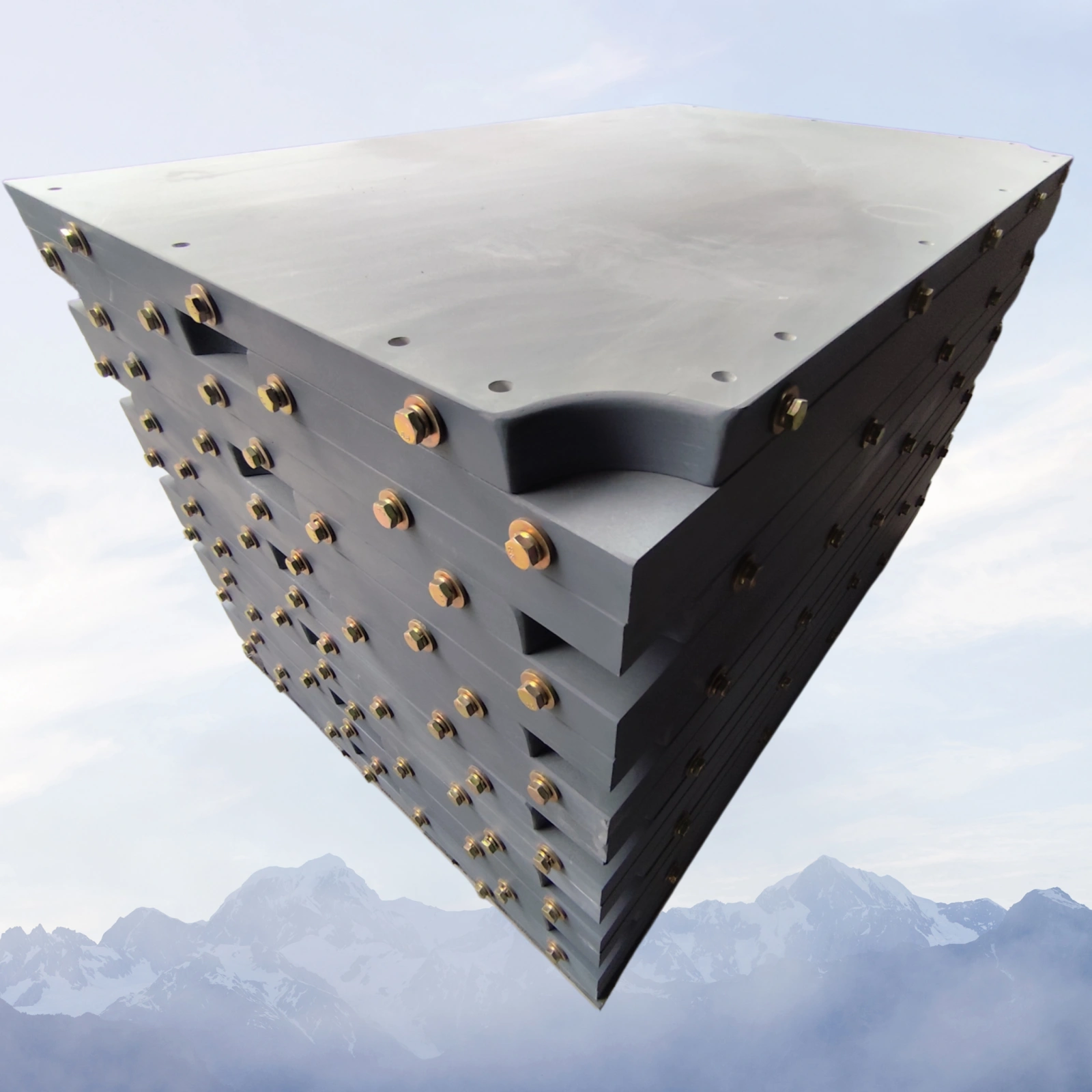
Pocket geometry is one of the most important machining requirements for a 9ft Heyball table slate. Unlike conventional American pool tables, Heyball tables use rounded, snooker-style pocket entrances that demand greater accuracy from both the player and the table manufacturer. The slate cut-outs must therefore coordinate precisely with the cushion noses, rail facings and pocket assemblies.
Slate of China machines corner pockets, side pockets, mounting holes and outside slate profiles according to approved CAD drawings. This drawing-based process helps table manufacturers achieve reliable assembly, consistent pocket presentation and compatibility between the slate, rail system and table frame.
Rounded Pocket Geometry
The rounded pocket entrances of a Heyball table contribute directly to its distinctive playing character. Their curved geometry can reject balls that contact the pocket inaccurately, making pocketing more demanding and rewarding controlled speed and precise shot placement.
However, the finished pocket is not determined by the slate cut-out alone. It is created by the combined relationship between the slate radius, cushion noses, rail facings, pocket opening and pocket assembly. For this reason, we machine each rounded Heyball pocket cut-out to the customer’s approved drawing or verified sample rather than applying a generic pocket dimension.
Accurate CNC profile machining also helps produce clean curves and controlled transitions around the pocket area, reducing unnecessary fitting work during table assembly.
Corner and Side Pocket Machining
Corner pockets and side pockets perform different functions and should not automatically be treated as identical cut-outs. Depending on the table design, they may require different openings, radii, approach angles, chamfers and underside profiles.
We machine each pocket position according to the specified table construction, including:
- Corner-pocket radii and transitions
- Side-pocket openings and curved profiles
- Edge chamfers or bevels
- Cushion and rail clearance
- Pocket-bracket or pocket-assembly clearance
- Custom underside profiles where required
This table-specific approach helps prevent common assembly problems such as interference with pocket components, uneven cushion positioning or visible differences between finished pocket entrances.
CNC Drilling and Mounting Holes
Pocket machining must work together with accurate hole positioning. Rail-mounting holes, table-frame fixing holes, countersunk holes and other structural holes can be CNC machined from the customer’s CAD drawing.
Before production, we review the required:
- Hole diameter and depth
- Centre-to-centre position
- Through-hole or blind-hole design
- Countersink or counterbore details
- Distance from slate edges and pocket cut-outs
- Relationship between holes, rails and frame supports
Correctly positioned holes help the rail system fit securely and reduce the need for drilling or modification during assembly. This is especially important for OEM Heyball table production, where repeatability between slate sets can improve installation efficiency.
Consistent Pocket Profiles Across All Sections
A complete 9ft Heyball slate set must present six consistent pocket positions after assembly. The four corner pockets should follow the specified geometry, while the two side pockets should remain symmetrical across the centre line of the table.
For sectional slate sets, adjacent pieces must also align correctly after installation. We control and inspect pocket curves, centre lines, outer profiles and joint relationships so that the assembled slate forms a balanced and visually consistent layout.
Matched production helps table manufacturers reduce problems such as:
- Unequal left- and right-side pocket profiles
- Misaligned curves at sectional joints
- Asymmetrical pocket positions
- Inconsistent clearance for rails or pocket assemblies
- Additional hand finishing during installation
Where required, slate sections can be trial-matched, numbered and packed as a complete set to support correct installation at the customer’s factory or project site.
Pocket dimensions are table-specific: There is no single pocket-cut-out measurement that should be presented as universally suitable for every Heyball table. Final geometry must follow the customer’s approved table design, cushion system, rail facings and pocket components.
Consistent Heyball pockets begin with drawing-based slate machining—but final pocket performance depends on the correct integration of the slate, cushions, rail facings and pocket assemblies.
Custom Pocket Machining from Your Drawings
Send us your DWG, DXF, PDF or sample-slate dimensions. Our technical team will review the corner and side pocket profiles, mounting-hole pattern, sectional alignment and rail-system interface before quotation and production.
Our Email: sinoslate@gmail.com
Slate Thickness and Sectional Options
Slate thickness and sectional configuration affect the weight, handling, frame-loading requirements and installation of a 9ft Heyball table slate. Slate of China can manufacture matched slate sets in different thicknesses and sectional layouts according to the customer’s approved table drawing, rail system and frame structure.
A thicker slate can provide greater mass and rigidity when properly supported, but thickness alone does not determine playing quality. The selected specification must also be compatible with the table frame, sectional-joint positions, rail mounting system and installation method. Before production, we recommend confirming the complete table construction—not simply ordering by nominal table size or slate thickness.
| Slate Thickness | Typical Project Considerations |
|---|---|
| 40 mm | Suitable for selected commercial or custom Heyball table designs where slate weight, frame structure and handling requirements must be balanced |
| 45 mm | Commonly specified for premium club and professional-style Heyball tables requiring a substantial, stable playing base |
| 50 mm | Available for heavy-duty or tournament-style table designs with adequate frame support and suitable installation equipment |
Application descriptions are for general reference only. Slate thickness does not independently define “commercial grade,” “professional grade” or “tournament grade.” Final selection should be based on the complete table design, required performance, frame-loading capacity and customer specifications.
Our primary specification is 45 mm. Other thicknesses, including 40 mm and 50 mm, are available subject to drawing review, material availability and production confirmation.
Three-Piece Heyball Slate
A three-piece Heyball slate set offers a practical balance between structural stability, transportation efficiency and on-site handling. Compared with a one-piece slab of similar overall size and thickness, three matched sections are easier to move through factory entrances, club interiors and restricted installation areas. They can also reduce the lifting requirements for each individual piece.
The benefits of a correctly manufactured three-piece set include:
- Easier handling, packing and transportation
- More practical installation in restricted spaces
- Sectional joints positioned to match the table-frame supports
- Matched thickness across all three slate pieces
- Numbered sections for correct assembly order
- Reduced on-site adjustment when joints are accurately machined
The joint areas must be fully supported by the table frame and carefully levelled during installation. Each slate section should be treated as part of one matched set rather than as an interchangeable individual slab. Consistent grinding and section matching help minimize height differences at the joints and create a continuous base for the table cloth.
Five-Piece or Custom Slate Sets
Five-piece or custom sectional slate sets may be considered for particularly thick, heavy or table-specific Heyball designs. Dividing the slate into smaller sections can make individual pieces easier to lift, transport and position, especially where access routes or handling equipment are limited.
However, more sections also create more joints that must be accurately machined, supported and levelled. A five-piece configuration should therefore be selected from the complete table structure rather than for transport convenience alone.
For custom sectional production, we review:
- Number, dimensions and weight of each slate section
- Position of joints in relation to frame supports
- Section-to-section thickness consistency
- Pocket cut-outs located near sectional edges
- Rail and frame mounting-hole positions
- Lifting, packing and installation requirements
- Matching, numbering and assembly sequence
Send us the complete slate and table-frame drawings before confirming a five-piece or custom configuration. Our technical team will evaluate whether the proposed joint layout is suitable for machining, handling and installation.
Slate Thickness Is Only One Part of Performance
A thicker slate is not automatically flatter, more accurate or better playing. The finished performance of a 9ft Heyball table depends on the slate material, machining accuracy, supporting structure and quality of installation working together.
Slate Density and Internal Structure
Selected natural slate should have a dense, consistent structure without cracks or defects that could affect machining, dimensional stability or long-term use.
Precision-Ground Flatness
The playing surface must be accurately ground and inspected. Thickness cannot compensate for an uneven surface that causes slow-rolling balls to drift.
Section-to-Section Thickness Consistency
All pieces in a matched Heyball slate set should maintain consistent thickness, particularly around the joint areas. Excessive variation can create high or low points after assembly.
Table-Frame Support
A heavy slate requires a rigid, correctly positioned support structure. Sectional joints and critical load areas should be supported according to the table design.
Installation and Levelling
Accurate installation is essential. The frame must be level, each section must be correctly positioned, and the joints must form a smooth, continuous surface before the cloth is installed.
Rail-to-Slate Connection
Rail-mounting holes, cushion alignment and pocket components must match the slate profile. Incorrect connections can affect rail positioning, pocket presentation and overall table assembly.
The right Heyball slate is not selected by thickness alone. It must match the table frame, sectional support, rail system, pocket design and installation conditions as a complete engineered system.
For reliable Heyball table performance, choose slate thickness as part of a complete system—including slate quality, precision grinding, matched joints, frame support, rail compatibility and professional installation.
How to Select the Right Heyball Slate Thickness
Before requesting a quotation, please provide the required thickness, sectional configuration, overall slate dimensions, table-frame drawing, rail-mounting details and order quantity. We will review the specification for manufacturing compatibility.
Precision Grinding for Accurate Ball Roll
Accurate ball roll begins with a flat, consistently ground slate surface. For a sectional 9ft Heyball table slate, it is equally important that every piece has closely matched thickness and that the adjoining edges form smooth, level joints after installation. Even a small high or low point can become noticeable when a ball travels slowly across the playing surface.
Slate of China precision-grinds and matches each Heyball slate set according to the approved drawing and agreed manufacturing tolerances. Thickness, surface flatness, joint alignment and edge condition are inspected before packing. Each section is numbered and kept with its original set, helping table manufacturers identify the correct assembly sequence and reduce adjustment during installation.
Calibrated Slate Thickness
All sections in a Heyball slate set should maintain consistent finished thickness, especially around the joint areas. If one section is thicker or thinner than the adjoining piece, installers may need additional shimming and joint correction before fitting the cloth.
During production, thickness should be measured at multiple reference points across every slate section—not at only one corner. Special attention should be given to:
- Four corners of each section
- Centre and intermediate measuring points
- Both sides of every sectional joint
- Areas close to pocket cut-outs
- Long outside edges
A calibrated micrometer or digital thickness gauge can be used to record the measurements. The completed inspection record can be linked to the slate-set number where required.
Recommended published specification:
Finished thickness: [nominal thickness] ± 1 mm
Section-to-section thickness variation: not more than 1 mm
Flat and Consistent Playing Surface
The slate surface is precision ground to create a continuous base for consistent ball movement. Surface flatness is particularly important in Heyball because a slowly rolling ball can reveal small slopes, waves or localized high points that may be less noticeable at higher speed.
Recommended flatness inspection methods include:
- Placing a calibrated precision straightedge along the length, width and diagonal directions
- Using feeler gauges to check gaps between the straightedge and slate surface
- Checking multiple grid positions rather than only the centre of the slate
- Recording the maximum measured deviation
- Conducting a trial ball-roll check on the assembled and levelled slate set when appropriate
A ball-roll test is a useful functional check, but it should not replace dimensional inspection. Ball movement can also be affected by table levelling, cloth condition, ball quality, air movement and installation.
Recommended published specification:
Surface flatness: maximum deviation of 0.1 mm over [inspection length or full section]
Inspection method: precision straightedge and calibrated feeler gauge
Matched Slate Sections
Sectional slates should be manufactured, inspected and supplied as one matched set. Individual pieces from different sets should not be mixed, even when their nominal size and thickness are the same.
After grinding and machining, the sections can be trial-matched to verify:
- Section-to-section thickness consistency
- Correct joint sequence
- Alignment of outside edges
- Pocket-profile symmetry
- Hole-pattern continuity
- Overall assembled dimensions
Each complete set should receive a unique set number, with individual sections identified in assembly order—for example:
- Set HBS-260725-01
- Section A / B / C
- Head / Centre / Foot
The same identification should appear on the inspection record, packing list and protective packaging. This system helps customers avoid mixing slate pieces during warehouse handling or table assembly.
Smooth and Level Joints
A properly matched joint should not create a noticeable step beneath the table cloth. The mating edges must be accurately machined, structurally sound and free from chips that could interfere with assembly.
Joint inspection should include:
- Height difference across adjoining sections
- Contact and alignment along the complete joint
- Straightness of mating edges
- Chips, cracks or loose material
- Support position beneath the joint
- Correct section order and orientation
A precision straightedge and feeler gauge can check the assembled surface, while a dial indicator mounted on a stable reference bridge provides a more detailed measurement of height change across the joint.
Recommended published specification:
Maximum height difference across assembled joints: 0.1 mm
Joint inspection: straightedge and feeler gauge or dial-indicator measurement
Correct grinding reduces installation work, but final performance also depends on a rigid, level table frame and full support beneath every sectional joint. Minor levelling adjustments may still be required during professional installation.
Protected Edges for Safer Handling and Installation
Slate edges and pocket areas are more vulnerable to impact than the main playing surface. Clean edge machining, controlled chamfers where specified and careful handling help reduce chipping during production and installation.
Before packing, the slate should be inspected for damaged corners, chipped joints and defects around pocket cut-outs. Protective material should separate the individual sections, while joint edges, corners and pocket areas should receive additional reinforcement inside the export crate.
Edge protection reduces transport risk, but thick natural slate must still be lifted and positioned with suitable equipment. Installers should never support or lift a slate section by its pocket cut-out or unsupported corner.
What This Means for Your Table Production
A properly ground and matched Heyball slate set helps table manufacturers achieve:
- Consistent thickness across all slate sections
- Minimal height difference at sectional joints
- A flatter base for accurate slow-speed ball roll
- Less corrective grinding or filling during installation
- Clear section identification and assembly order
- Better protection of joint edges and pocket cut-outs
- More efficient table levelling at the factory or installation site
Accurate ball roll depends on more than surface grinding. Consistent thickness, matched sections, controlled joint height, correct frame support and professional levelling must work together as one complete system.
Need Verified Tolerances for Your Heyball Table Project?
Send us your slate drawing, nominal thickness, required flatness, joint-height tolerance and inspection requirements. We will review whether the specifications can be consistently achieved before quotation and production.
Our email: sinoslate@gmail.com
Why Jiujiang Natural Slate Is Suitable for Heyball Tables
Jiujiang natural slate offers the dense and uniform geological structure required for precision-machined Heyball table slate. A consistent stone structure allows rounded corner pockets, side-pocket profiles and mounting holes to be machined with cleaner edges, reducing the risk of local weakness, excessive chipping and additional hand finishing during table assembly.
Its reliable dimensional stability also helps the slate retain its machined shape during processing, transportation and long-term use. When the surface is precision ground and the individual sections are thickness-calibrated, the completed slate set provides a stable foundation for accurate slow-speed ball roll. This is particularly important for Chinese 8-ball tables, where controlled speed and precise pocketing are central to the playing experience.
Jiujiang slate can be cut, drilled, ground and profiled according to approved table drawings. This machinability supports custom Heyball pocket geometry, rail-mounting holes, sectional joints and outside dimensions while helping manufacturers maintain consistency across repeat orders. Matched and numbered slate sections can also reduce corrective work during installation and make final table levelling more efficient.
For clubs and other high-use venues, a properly manufactured and supported natural slate bed offers dependable performance under continuous play. Its durability contributes to a long service life, while stable flatness and accurately matched joints help reduce maintenance, premature replacement and table downtime.
For table manufacturers, brands and importers, these characteristics mean more predictable assembly, fewer fitting problems and better long-term value. Learn more about the material, production capabilities and export supply on our Jiujiang Billiard Slate page.
How We Manufacture 9ft Heyball Table Slate
Manufacturing a reliable 9ft Heyball table slate requires more than cutting stone to size. Material selection, thickness control, pocket machining, hole positioning, surface grinding and sectional matching must follow one coordinated process. Our Heyball slate sets are manufactured from approved drawings, inspected as matched sets, individually numbered and protected for export shipment.
1. Slate Block Selection
Dense, uniform Jiujiang natural slate is selected for structural consistency, clean machining and long-term dimensional stability. Blocks with visible cracks, weak layers or unsuitable internal defects are excluded before slab production.
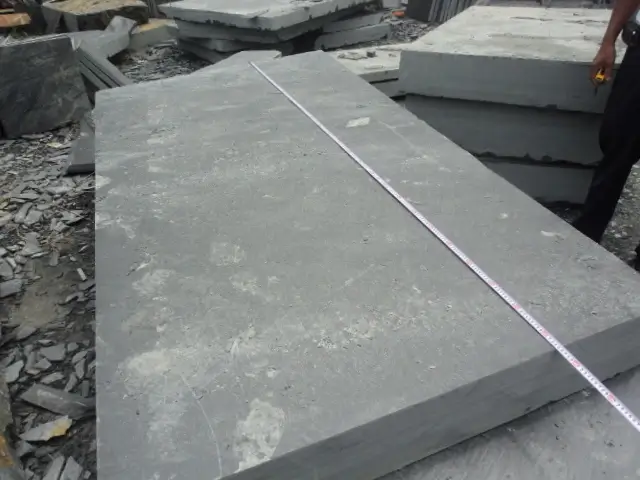
2. Slab Cutting and Thickness Calibration
Selected blocks are cut into slabs and calibrated toward the required finished thickness. Allowances are retained for subsequent grinding, while slab dimensions and material condition are checked before precision machining begins.
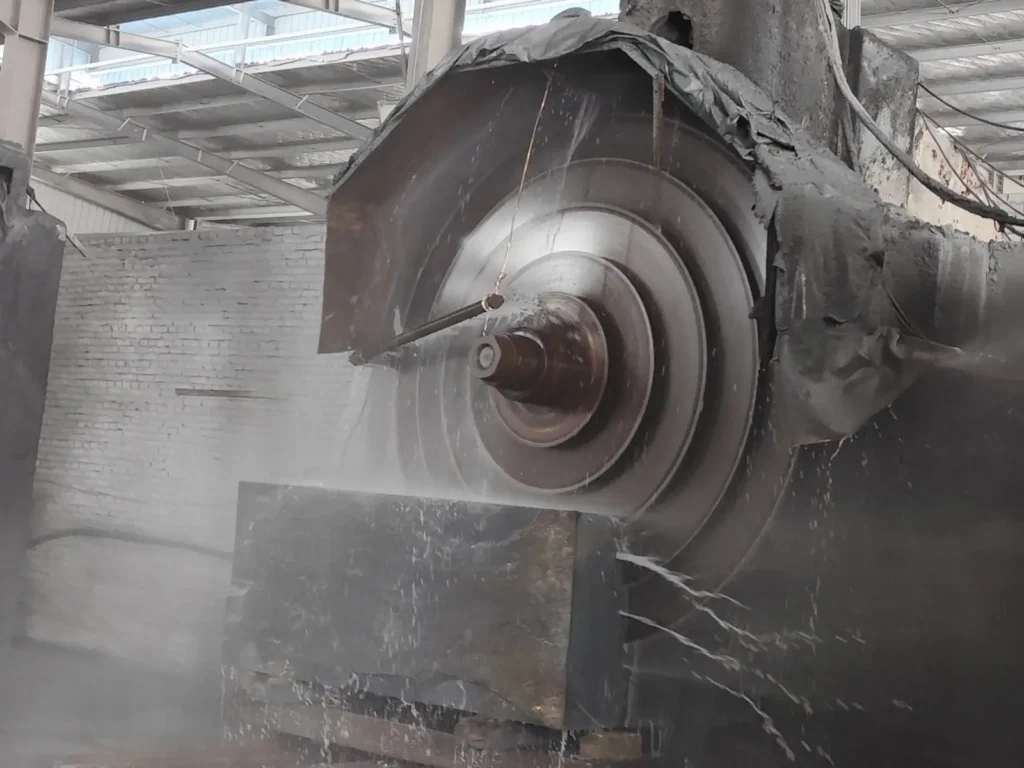
3. CNC Profile and Pocket Cutting
The outside profile, rounded corner pockets and side-pocket cut-outs are CNC machined according to the approved table drawing. Drawing-based production helps maintain consistent pocket geometry and compatibility with the cushion, rail and pocket systems.
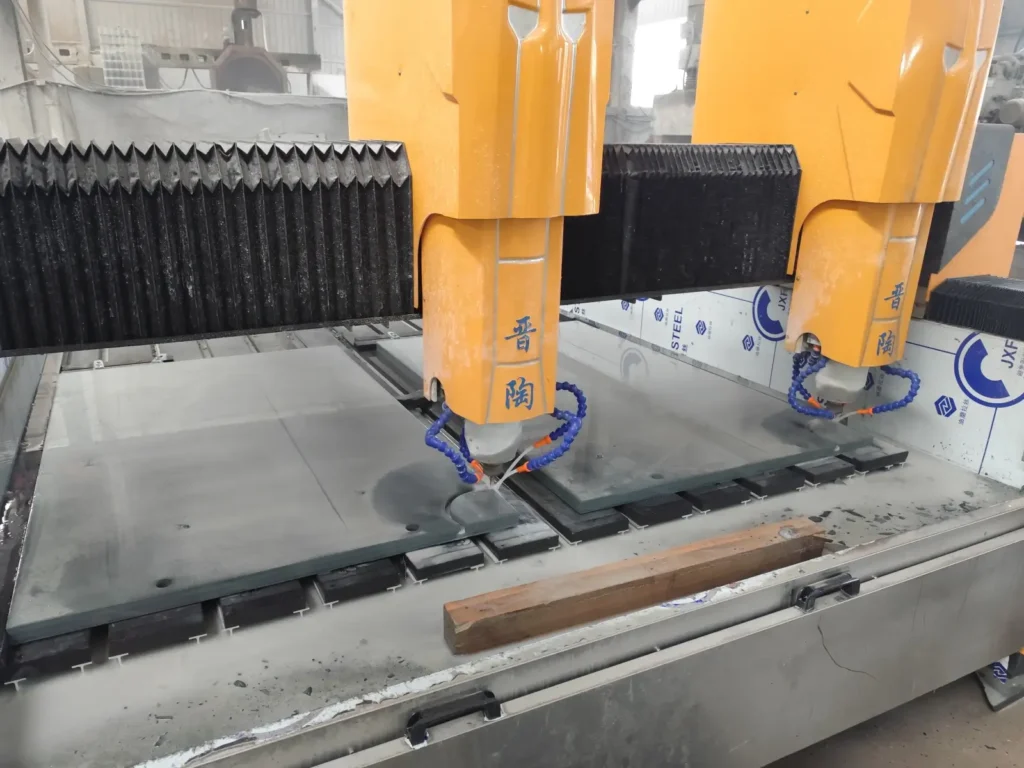
4. Hole Drilling and Edge Machining
Rail-mounting holes, frame-fixing holes, countersinks and other structural details are machined to the specified positions and dimensions. Slate edges, chamfers and joint profiles are finished to support accurate assembly and reduce on-site modification.
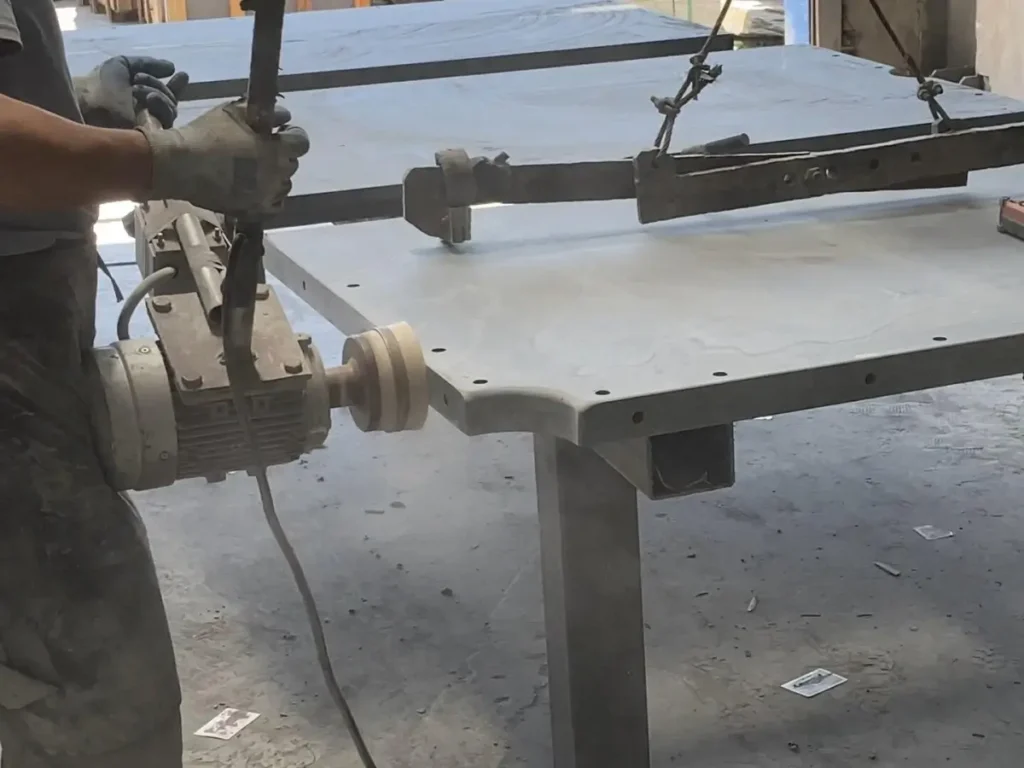
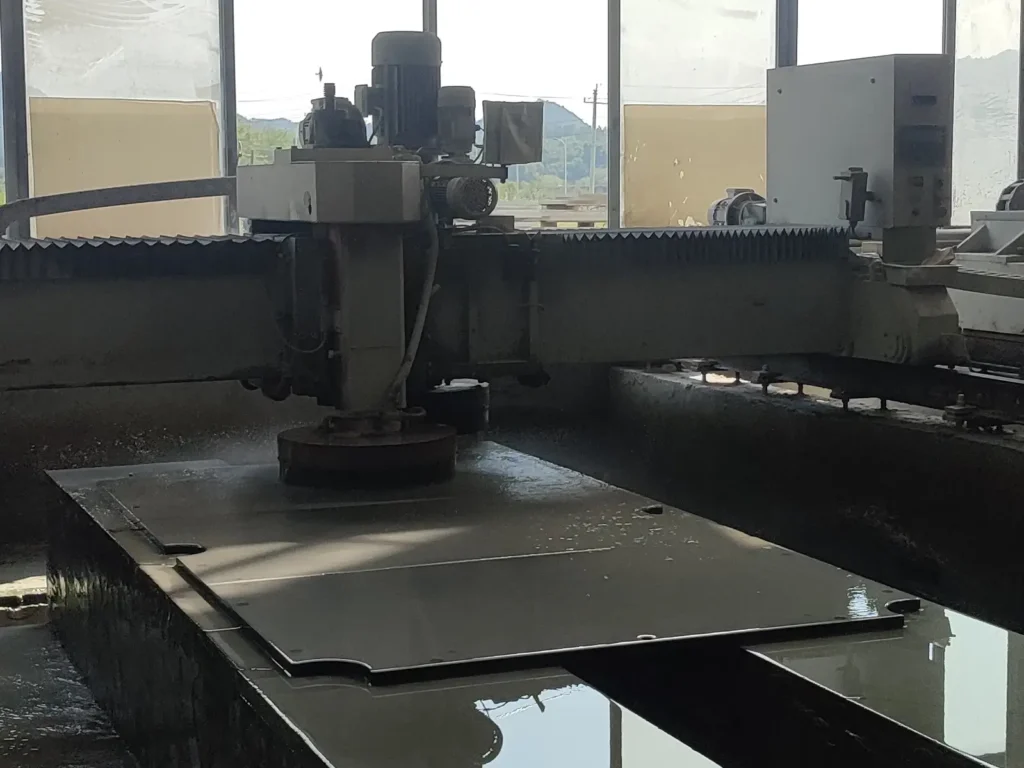
5. Surface Grinding and Section Matching
Each slate section is precision ground and thickness-calibrated. The sections are then matched to check surface continuity, joint alignment, outside dimensions and pocket symmetry, helping reduce height differences and corrective work during installation.
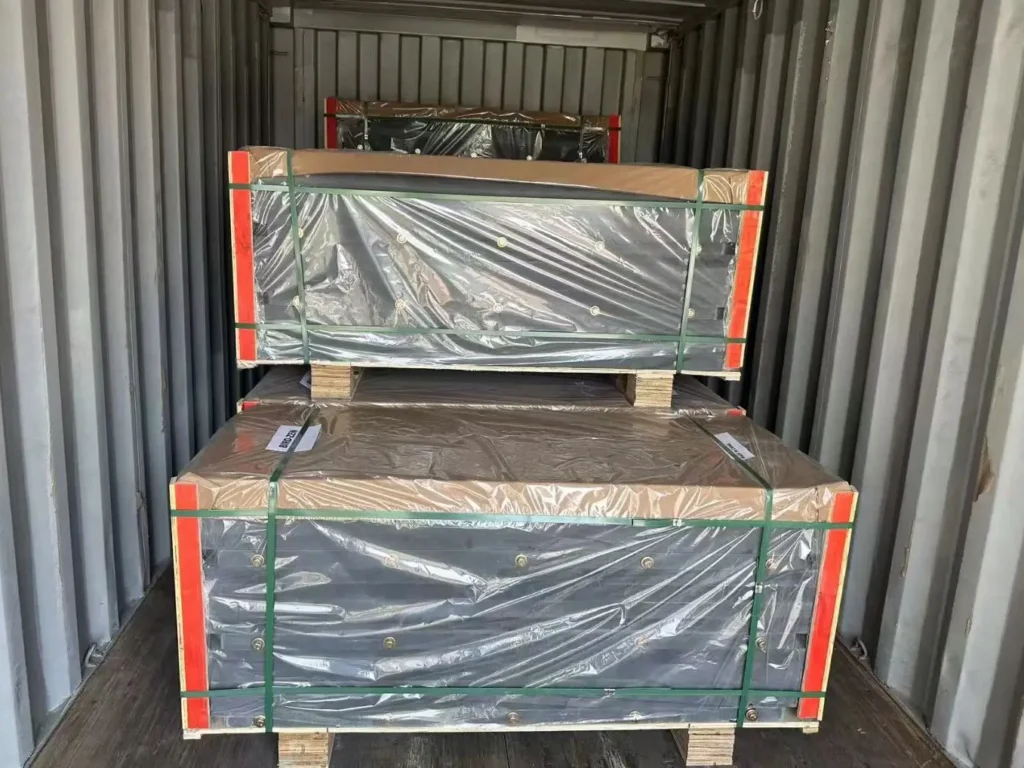
6. Inspection, Numbering and Packing
Finished sets are inspected for dimensions, thickness, flatness, pocket profiles, hole positions, joints and edge condition. Every section is numbered in assembly order and packed as part of its original matched set in a reinforced export wooden crate.
Controlled from Raw Slate to Matched Table Set
Every stage is designed to answer the practical concerns of Heyball table manufacturers: Will the slate fit the frame and rail system? Are the pocket profiles consistent? Will the sections align correctly? Can the set be installed without excessive reworking?
By combining drawing review, CNC machining, precision grinding, matched-set inspection and protective export packing, we help customers achieve more predictable assembly and consistent production across repeat orders.
A dependable Heyball slate set is not produced in one machining step—it is created through controlled material selection, drawing-based CNC machining, precision grinding, matched-set inspection and protective export packing.
Learn more about our equipment, quality-control methods and export production capabilities on the Billiard Slate Manufacturing Process page.
Planning a Custom Heyball Table Project?
Send us your slate drawing, required thickness, sectional layout, pocket details, mounting-hole pattern and order quantity. We will review the manufacturing requirements before quotation and production.
Our Email: sinoslate@gmail.com
Quality Inspection for Every Heyball Slate Set
Every finished Heyball slate set is inspected as a complete matched set—not simply as separate pieces. Our quality-control process checks the dimensions, thickness, flatness, pocket profiles, mounting holes, sectional consistency and structural condition that affect table assembly and long-term playing performance.
Where required, the slate sections are trial-assembled to verify joint alignment, overall geometry and pocket symmetry. After inspection, each section is marked with its set number and assembly position, helping table manufacturers avoid mixed sections, reduce fitting work and maintain traceability from inspection to packing.
Every Heyball slate set is inspected, matched and identified as one complete table set—helping customers achieve more predictable assembly, fewer fitting problems and reliable traceability before shipment.
Dimensional and Thickness Inspection
Overall dimensions and finished slate thickness are checked against the approved drawing and agreed production tolerances. Measurements are taken at specified reference points rather than at only one position.
Inspection includes:
- Overall length and width
- Dimensions of individual slate sections
- Finished thickness at multiple points
- Section-to-section thickness consistency
- Joint and edge dimensions
- Critical distances between pockets, holes and reference edges
Consistent dimensions help the slate fit the table frame, rail system and pocket components correctly. Closely matched thickness also helps reduce shimming and corrective adjustment during installation.
Inspection basis: Approved customer drawing, confirmed sample or agreed manufacturing specification.
Surface Flatness and Joint Consistency
A precision-ground playing surface must remain flat and continuous across the complete slate set. Each section can be checked along its length, width and diagonal directions using a precision straightedge or calibrated level, together with feeler gauges where appropriate.
For sectional slate sets, particular attention is given to:
- Localized high or low areas
- Surface gaps beneath the straightedge
- Thickness around sectional joints
- Height differences between adjoining pieces
- Straightness and condition of mating edges
- Surface continuity after trial assembly
These checks help reduce visible steps beneath the cloth and provide a more reliable base for accurate slow-speed ball roll. Final playing performance will also depend on frame rigidity, joint support, professional installation, levelling, cloth condition and ball quality.
Pocket Profile and Hole Inspection
Pocket geometry and hole positioning are checked against the approved table design. Templates, measuring tools or coordinate references can be used to confirm the shape and symmetry of corner and side pocket cut-outs.
Inspection covers:
- Corner-pocket profile and symmetry
- Side-pocket profile and centre-line position
- Pocket radii and curved transitions
- Chamfers and edge details
- Rail-mounting-hole position
- Hole diameter and depth
- Countersinks or counterbores where specified
- Relationship between holes, pockets and slate edges
Consistent pocket profiles help the rails, cushion facings and pocket assemblies fit as intended. However, the slate cut-out alone does not determine the finished pocket opening or playing response; these also depend on the complete rail and pocket system.
Edge and Structural-Defect Inspection
Natural slate must be examined carefully around joints, corners, holes and pocket cut-outs, where damage is most likely to affect assembly or handling.
Before packing, we inspect for:
- Cracks and visible structural defects
- Weak layers or loose material
- Chipped sectional joints
- Damaged corners and outside edges
- Breakage around drilled holes
- Excessive chipping around pocket profiles
- Surface damage that may affect installation or play
Natural colour, texture and minor non-functional characteristics should be evaluated separately from structural defects. Acceptance criteria should be agreed before production, especially for visible surfaces or customer-specific requirements.
Trial Assembly and Matched-Set Numbering
Where required, all slate sections are trial-assembled in their intended order. This allows the complete set to be checked for joint alignment, outside dimensions, pocket symmetry and hole-pattern continuity before shipment.
Each approved set is then identified using:
- A unique slate-set number
- Section identification such as A / B / C
- Assembly direction such as Head / Centre / Foot
- Matching inspection and packing records
- Clear identification on protective packaging
The sections remain together throughout inspection and packing. This traceability helps prevent pieces from different sets being mixed during warehousing, transportation or table assembly.
| Inspection Item | Inspection Method | Customer Benefit |
|---|---|---|
| Overall dimensions | Tape, steel rule, calliper or approved measuring fixture | Helps ensure compatibility with the frame and rail system |
| Slate thickness | Calibrated micrometer or digital thickness gauge | Reduces section-to-section variation and installation adjustment |
| Surface flatness | Precision straightedge and feeler gauge | Supports a consistent base for accurate ball roll |
| Section consistency | Comparison of corresponding measuring points | Helps matched pieces assemble as one continuous surface |
| Pocket profile symmetry | Approved template, profile gauge or coordinate measurement | Supports consistent corner and side pocket presentation |
| Hole position and diameter | Calliper, depth gauge, template or coordinate reference | Reduces drilling and modification during assembly |
| Edge condition | Visual and tactile inspection | Identifies chips that could affect joints, pockets or handling |
| Cracks and structural defects | Visual inspection and additional agreed checks | Reduces the risk of receiving structurally unsuitable slate |
| Trial assembly | Complete set matching where required | Verifies joints, geometry and section order |
| Set identification | Set number and section labels | Prevents mixed pieces and improves traceability |
Inspection methods and acceptance criteria depend on the approved drawing, order specification and agreed quality plan. Numerical tolerances should be confirmed before production.
Third-party or customer-appointed pre-shipment inspection can be coordinated subject to order terms and prior confirmation.
Need a Customer-Specific Inspection Plan?
Send us your Heyball slate drawing, required tolerances, inspection points and reporting requirements. We can review the dimensions, flatness, pocket profiles, mounting holes, trial-assembly requirements and documentation needed for your project before production.
Our Email: sinoslate@gmail.com
Custom Heyball Slate for Table Manufacturers
Every Heyball table design has its own slate dimensions, pocket geometry, sectional layout and mounting system. A nominal “9ft” size alone is not sufficient for accurate production. We manufacture custom Heyball slate for table manufacturers, billiard brands, importers and OEM projects according to approved drawings, confirmed samples or complete table specifications.
Before quotation, our technical team reviews the relationship between the slate, table frame, rails, cushions and pocket components. This helps identify dimensional conflicts, incomplete hole details and machining risks before production—reducing the need for drilling, grinding or fitting adjustments during table assembly.
Custom production can cover:
- Overall slate dimensions and finished thickness
- Three-piece or approved custom sectional configurations
- Rounded corner-pocket and side-pocket profiles
- Pocket openings, radii and curved transitions
- Rail-mounting and frame-fixing holes
- Hole diameters, depths and centre positions
- Countersinks, counterbores and edge details
- Sectional-joint positions and assembly sequence
- Set numbering, inspection and export packing
Each custom slate set is manufactured to the approved production drawing and agreed tolerances. Sections are matched and numbered as one complete set to support correct assembly, more efficient installation and consistency across repeat orders.
Our Email:sinoslate@gmail.com
Send us your CAD drawing, sample slate or table specifications for technical evaluation.
Export Packing for Thick Heyball Slate
Thick Heyball slate is considerably heavier than standard pool table slate. During export transportation, the greatest risk is not simply movement of the crate—it is concentrated impact or pressure on the sectional joint edges, pocket openings and machined corners. Once these precision-machined areas are chipped, the slate may become difficult to align or may require repair during table assembly.
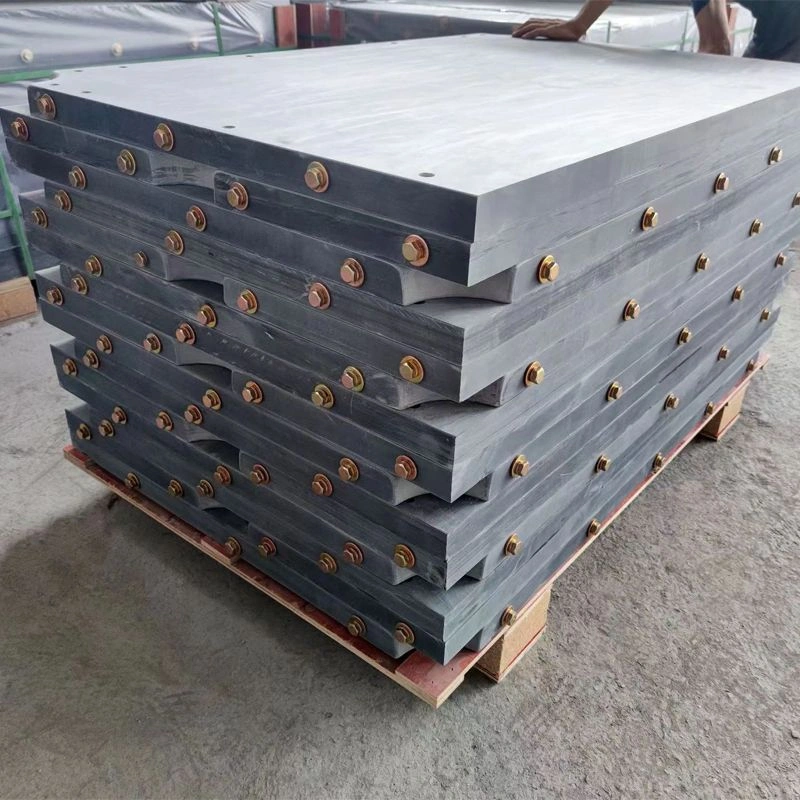
To reduce this risk, each precision-ground slate section is cleaned, checked and separated with suitable protective material to prevent direct stone-to-stone contact. Additional cushioning and reinforcement are applied around vulnerable joint edges, rounded pocket cut-outs and outside corners. The sections are then secured inside a reinforced export wooden crate to limit sliding, vibration and localized loading during forklift handling, container loading and sea transportation.
Each matched Heyball slate set is kept together and clearly identified with its set number and section sequence, such as A / B / C or Head / Centre / Foot. Moisture-resistant wrapping and internal protection help reduce exposure to condensation and humidity during ocean freight.
Crates are marked with the required handling information, including forklift positions, lifting and orientation marks, crate number, product identification, quantity, net weight and gross weight. Packing lists can link the crate number to the corresponding slate-set numbers for easier receiving and traceability.
Before shipment, we also plan the container loading arrangement according to crate dimensions, total weight, weight distribution and unloading method at the destination. This helps prevent unsafe stacking, uneven container loading and unnecessary handling.
Our export packing is designed to protect the functional areas that matter most—not only to provide a strong wooden crate. The objective is to deliver complete, correctly numbered Heyball slate sets with protected joints, pocket profiles and edges, ready for inspection and professional installation.
Protected Section by Section
Protective material is placed between individual slate sections to prevent direct contact, surface abrasion and impact during transportation. Each piece remains associated with its original matched set.
Reinforced Joints, Pockets and Corners
Extra protection is applied to sectional joint edges, pocket openings and outside corners—the areas most vulnerable to chipping under the weight of thick Heyball slate.
Moisture-Resistant Export Protection
Slate sections are wrapped and protected against moisture, dust and container condensation. Where required, moisture-resistant liners or desiccants can be included according to the shipping plan.
Reinforced Wooden Crates
Matched slate sections are immobilized inside reinforced export wooden crates with suitable internal supports and restraints. Crate construction is selected according to slate thickness, set weight and handling requirements.
Clear Handling and Weight Marks
Each crate is marked with the designated forklift positions, lifting direction, centre-of-gravity or handling information where applicable, together with the net weight and gross weight.
Planned Container Loading
Container loading is planned around crate size, total shipment weight, axle and floor-load distribution, securing requirements and the customer’s unloading conditions.
| Packing Step | Protection Method | Customer Benefit |
|---|---|---|
| Section separation | Protective sheets, pads or suitable cushioning between pieces | Prevents stone-to-stone contact and surface abrasion |
| Joint-edge protection | Reinforced guards along precision-machined mating edges | Reduces chipping that could affect joint alignment |
| Pocket protection | Shaped cushioning around corner and side pocket openings | Protects critical pocket profiles during handling |
| Corner reinforcement | Additional guards at exposed outside corners | Reduces concentrated impact damage |
| Set identification | Set number plus A/B/C or Head/Centre/Foot labels | Prevents matched sections from being mixed |
| Moisture protection | Moisture-resistant wrapping, liner or agreed desiccant protection | Reduces exposure to humidity and container condensation |
| Internal securing | Supports, restraints and void control inside the crate | Limits movement and vibration during transportation |
| External crate | Reinforced export wooden crate suitable for shipment weight | Supports safer handling and stacking |
| Shipping marks | Crate number, orientation, forklift points, net and gross weight | Improves handling, receiving and traceability |
| Container loading | Planned position, weight distribution and load securing | Reduces shifting and uneven loading during ocean freight |
Packing materials, crate construction and container-loading methods are confirmed according to slate dimensions, section configuration, shipment quantity, destination and applicable import requirements.
For thick Heyball slate, effective export packing must protect the precision-machined joint edges and pocket openings—not merely surround the product with a strong wooden crate.Lorem ipsum dolor sit amet, consectetur adipiscing elit. Ut elit tellus, luctus nec ullamcorper mattis, pulvinar dapibus leo.
Applications of 9ft Heyball Slate
9ft Heyball slate is designed for commercial tables that require a stable, accurately machined and installation-ready playing foundation. It is primarily supplied to Heyball table manufacturers, billiard brands, equipment importers, wholesalers and club-project contractors—not positioned as a general replacement product for individual home users.
Different table models may use different outside dimensions, slate thicknesses, sectional layouts, pocket profiles and mounting-hole patterns. Our natural slate can be manufactured according to approved drawings or confirmed specifications for professional table production, branded product lines, club installations and OEM manufacturing programs.
Precision grinding, drawing-based CNC machining, matched-set inspection and protective export packing help customers reduce fitting problems, maintain consistency across table batches and organize international delivery more efficiently.
01. Professional Heyball Tables
Precision-ground natural slate for professional 9ft Heyball tables requiring reliable flatness, accurate pocket profiles and stable support beneath the cloth.
Each slate set can be manufactured according to the table model, frame structure, rail system and approved production drawing. Matched and numbered sections help manufacturers achieve more predictable assembly and a continuous playing surface.
Suitable for:
- Professional Heyball table manufacturers
- Premium commercial table ranges
- Heyball brands developing model-specific products
- Tables requiring custom pocket and mounting details
Customer concern addressed:
Consistent dimensions, reliable table compatibility and reduced corrective fitting during assembly.
02. Chinese 8-Ball Clubs
Heavy-duty Chinese 8-ball table slate for commercial clubs, billiard halls and venue installation projects where tables are expected to support frequent daily play.
For multi-table club projects, consistent slate specifications are important for installation planning, maintenance and table-to-table standardization. Slate sets can be produced, inspected, numbered and packed by table model or project batch.
Suitable for:
- Chinese 8-ball clubs
- Commercial billiard halls
- Multi-table venue installations
- Club renovation and expansion projects
Customer concern addressed:
More consistent table installation across a project, clearer set identification and easier coordination between supplier, installer and venue contractor.
03. Tournament-Style Tables
Custom-machined slate for tournament-style Heyball tables built to a controlled table specification and intended to provide consistent geometry across multiple competition tables.
Pocket profiles, sectional joints, slate thickness and mounting-hole layouts can be produced according to the approved table design. Where required, trial assembly and project-specific inspection requirements can be discussed before shipment.
Suitable for:
- Tournament-style table manufacturers
- Competition venue suppliers
- Event table rental and installation companies
- Brands developing standardized competition table models
Customer concern addressed:
Repeatable slate geometry across the same table model and fewer specification differences during multi-table installation.
04. OEM Heyball Table Production
Drawing-based OEM Heyball slate for billiard table factories and established brands requiring model-specific dimensions, pocket geometry, hole patterns and repeat-order consistency.
Customers can submit a dimensioned PDF, DWG, DXF or STEP file for technical evaluation. Once the specification is approved, the controlled drawing can become the reference for machining, inspection, set identification and subsequent production orders.
Suitable for:
- Heyball table manufacturers
- Private-label billiard brands
- Billiard equipment importers and wholesalers
- OEM and ODM table-production programs
Customer concern addressed:
Turning a model-specific table design into a controlled, repeatable and inspection-ready slate component.
Heyball Slate Supply for Commercial Buyers
We support commercial customers who require technically confirmed slate specifications, repeat production and export-ready delivery. Whether you are developing a new table model, sourcing slate for an established product line or supplying a multi-table club project, we evaluate each enquiry according to its intended application.
| Customer Type | What They Usually Need | Our Supply Focus |
|---|---|---|
| Billiard table manufacturers | Model-specific dimensions, stable batch production and assembly compatibility | Made-to-drawing machining, matched sets and controlled repeat orders |
| Heyball brands | Product differentiation, consistent specifications and private-label supply | Custom pocket profiles, table-model identification and OEM support |
| Importers and wholesalers | Reliable bulk supply, export packing and shipment coordination | Commercial quantities, numbered sets, reinforced crates and container planning |
| Club-project suppliers | Multi-table consistency, clear installation sequence and project delivery | Batch identification, table-model grouping and installation-oriented packing |
Our focus is B2B supply for table production, branded product programs, wholesale distribution and commercial installation projects.
One Nominal Size, Different Table Specifications
Not every 9ft Heyball table uses the same slate design. Outside dimensions, finished thickness, pocket radii, sectional joints, rail holes and frame-fixing details may vary between manufacturers and table models.
Before quotation, we recommend confirming:
- Intended table application
- Table model and nominal size
- Slate outside dimensions
- Required finished thickness
- Number and layout of slate sections
- Corner- and side-pocket profiles
- Rail and frame mounting-hole pattern
- Required quantity
- Destination port
- Installation or project-delivery requirements
This application-based review helps ensure that the supplied slate is manufactured for the submitted table design rather than treated as a universal 9ft replacement part.
From professional table production to multi-table club projects, our 9ft Heyball slate is manufactured around the approved table design, commercial application and repeat-supply requirements—not treated as a universal one-size-fits-all component.
Need Heyball Slate for Your Table or Club Project?
Tell us whether you are manufacturing professional Heyball tables, developing a branded table range, sourcing for wholesale distribution or supplying a commercial club project. Send us your table model, slate drawing, required quantity and destination port for technical evaluation.
We will review the slate dimensions, thickness, sectional layout, pocket profiles, mounting-hole requirements and intended application before preparing a quotation.
Our Email: sinoslate@gmail.com
Why Choose Slate of China as Your Heyball Slate Manufacturer?
Choosing a Heyball slate supplier is not only about comparing slate thickness or unit price. For table manufacturers, billiard brands and importers, the more important questions are whether the slate can be manufactured to the approved table design, whether matched sets remain consistent, and whether heavy slate can arrive properly identified and protected.
Slate of China is a direct Heyball slate manufacturer based in Jiujiang, China—an established natural slate production area. We combine selected slate material, CNC machining, precision surface grinding, drawing-based OEM production and export-oriented packing to support professional 9ft Heyball table manufacturing and international supply.
Our objective is practical: to help customers achieve more predictable table assembly, reduce corrective fitting, maintain consistency on repeat orders and receive complete, correctly identified slate sets ready for inspection and installation.
Direct Manufacturer in Jiujiang
Work directly with a Jiujiang-based Heyball slate manufacturer for clearer drawing confirmation, production coordination and repeat-order management. Direct technical communication helps reduce specification errors and unnecessary delays.
Selected Natural Slate
Slate material is selected according to the required dimensions, thickness and machining features, helping reduce defects that could affect finished edges, pocket openings or matched-set consistency.
CNC Pocket and Hole Machining
Drawing-based CNC machining provides repeatable pocket profiles, mounting holes and countersinks for better compatibility with the customer’s rails, frame and pocket components.
Precision Surface Grinding
Controlled grinding and matched-set inspection support consistent thickness, better joint alignment and more predictable table levelling during professional assembly.
OEM Production from Drawings
Custom Heyball slate is manufactured from approved drawings, giving table manufacturers a controlled reference for machining, inspection, drawing revisions and repeat production.
Export-Ready Delivery
Protected joints, pocket openings and corners, together with numbered sets, reinforced crates and clear shipping marks, support safer handling and more efficient receiving.
| Manufacturing Capability | Purchasing Result |
|---|---|
| Direct manufacturing and technical communication | Fewer specification misunderstandings and clearer order coordination |
| Material selection before machining | Lower risk of unsuitable material affecting finished sections |
| CNC pocket and hole machining | Better compatibility with table-specific rails, frames and pocket systems |
| Precision grinding and matched-set inspection | Easier joint alignment and less corrective levelling |
| OEM production from approved drawings | More controlled first orders, revisions and repeat production |
| Protective packing and shipping coordination | Lower transport risk and easier receiving of heavy slate sets |
Built Around the Approved Table Specification
A nominal 9ft table size does not define the complete slate specification. Different Heyball table models may require different outside dimensions, finished thicknesses, sectional joints, pocket radii and mounting-hole layouts.
For this reason, compatibility is evaluated against the submitted table model and approved production drawing. This helps customers avoid purchasing a nominally similar slate that requires extensive modification during assembly.
From material selection and drawing review to matched-set packing, every stage is organized around a practical purchasing result: better table compatibility, less corrective fitting and more controlled repeat production.
Frequently Asked Questions About Heyball Table Slate
The correct Heyball slate specification depends on the table model—not only its nominal 9ft size. The following answers explain the main considerations for table manufacturers, billiard brands, importers and commercial project suppliers, including playing dimensions, slate thickness, sectional configuration, custom machining, inspection, weight and export packing.
Need a Heyball Slate Specification or Quotation?
Send us your table drawing, required slate thickness, sectional configuration, order quantity and destination port. We will review the dimensions, pocket profiles, mounting details, estimated weight and export packing requirements before quotation.
Our Email: sinoslate@gmail.com