
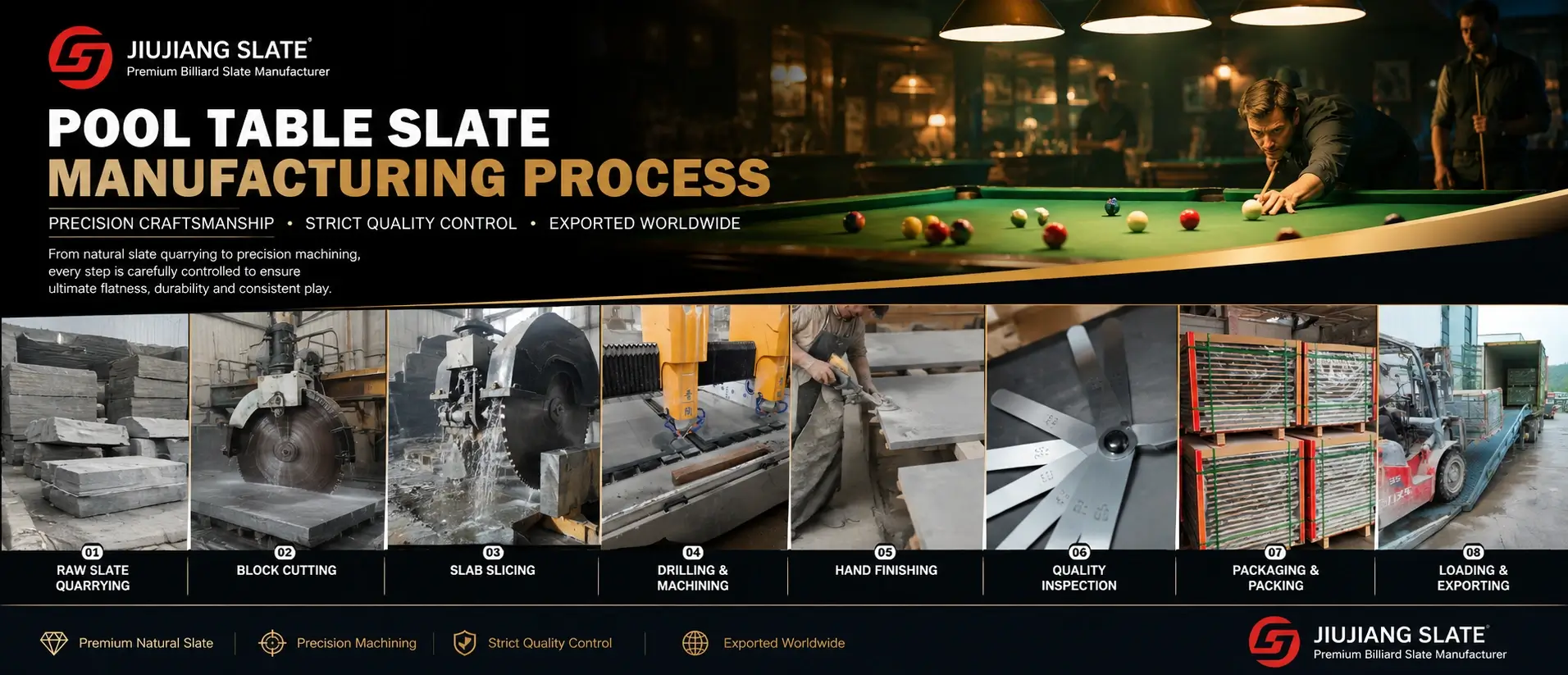
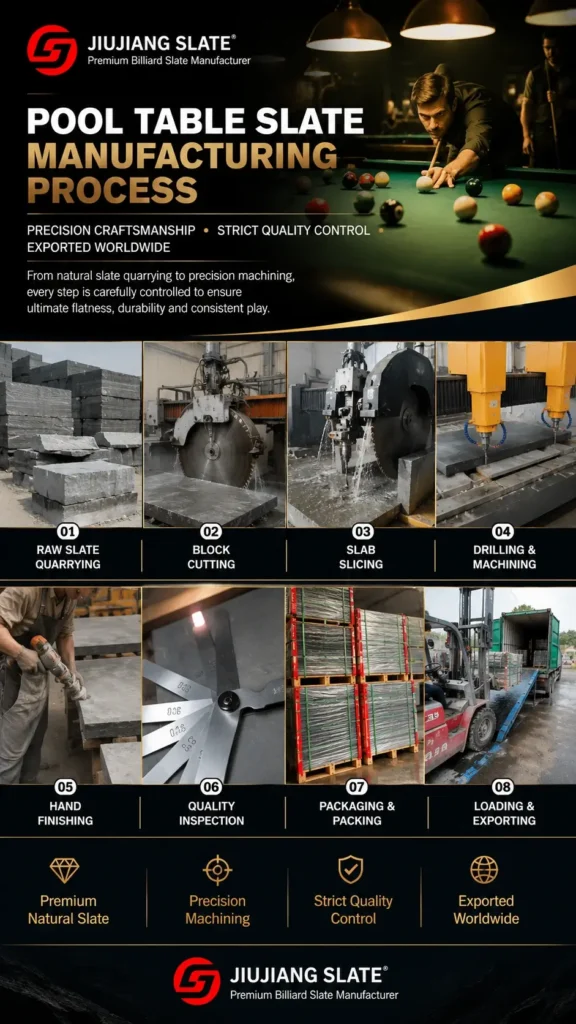
Billiard Slate Manufacturing Process
How Premium Pool Table Slates Are Manufactured
High-quality billiard table slates are the foundation of a professional playing experience. From natural slate quarrying and precision machining to strict quality inspection and export packaging, every step of the manufacturing process is carefully controlled to ensure exceptional flatness, stability, and durability.
Discover how premium billiard slates are manufactured in our factory in Jiujiang, China, and why pool table manufacturers worldwide trust our slate products for professional and commercial tables.
Table of Contents
Why Manufacturing Quality Matters
A billiard table is only as good as the slate beneath it.
As the playing foundation of the table, the slate directly affects ball roll accuracy, table stability, installation quality, and long-term performance. Even the finest cloth, cushions, and frame cannot compensate for poorly manufactured slate.
Low-quality processing can lead to a range of problems, including uneven ball roll, inaccurate ball movement, difficult installation, visible joint lines, and long-term stability issues. These defects not only affect gameplay but can also increase installation time, customer complaints, and warranty costs.
That is why professional pool table manufacturers place great importance on the pool slate manufacturing process. From material selection and precision machining to flatness control and final inspection, every production step contributes to a smoother playing surface and a better overall playing experience.
How Manufacturing Quality Affects Ball Performance
| Manufacturing Issue | Impact on Pool Table Performance |
|---|---|
| Poor Flatness | Uneven ball roll |
| Inaccurate Machining | Misaligned slate joints |
| Inconsistent Thickness | Difficult leveling |
| Poor Hole Positioning | Installation problems |
| Low Material Quality | Long-term deformation |
Even a perfectly built pool table cannot perform properly if the slate is not manufactured to precise standards.
Step 1 – Premium Slate Block Selection
The manufacturing of high-quality pool table slate begins long before machining. It starts with careful selection of premium natural slate blocks.
The quality of the raw slate directly affects flatness, structural stability, machining precision, and long-term playing performance. For this reason, only carefully inspected slate from selected quarry sources is used in our production process.
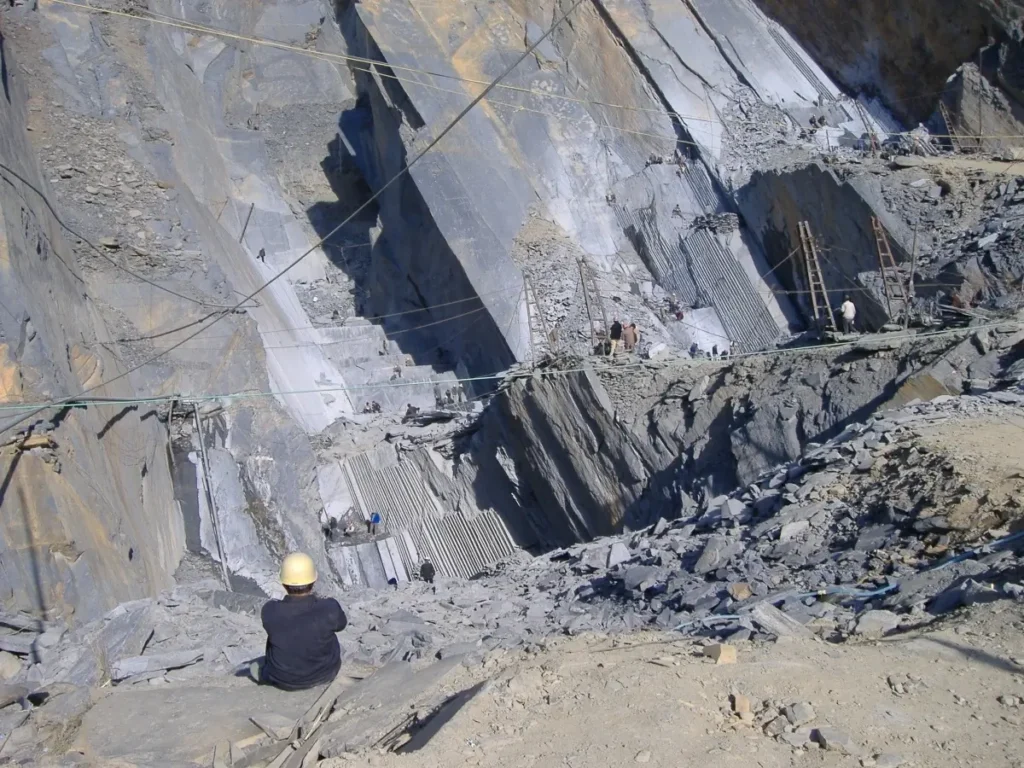
Quarry Inspection
Before extraction begins, each quarry area is evaluated to ensure the stone meets the requirements for professional billiard slate production.
Our inspection focuses on:
✔ Geological stability
✔ Consistent mineral composition
✔ Uniform density throughout the deposit
✔ Low internal stress and natural defects
By selecting suitable quarry sections, we help ensure every slate block provides the strength and stability required for precision pool table manufacturing.
Why It Matters
Poor-quality quarry material can contain hidden fractures, density variations, or unstable layers that may lead to warping, cracking, or machining problems later in production.
Professional pool table slate starts with professional quarry selection.
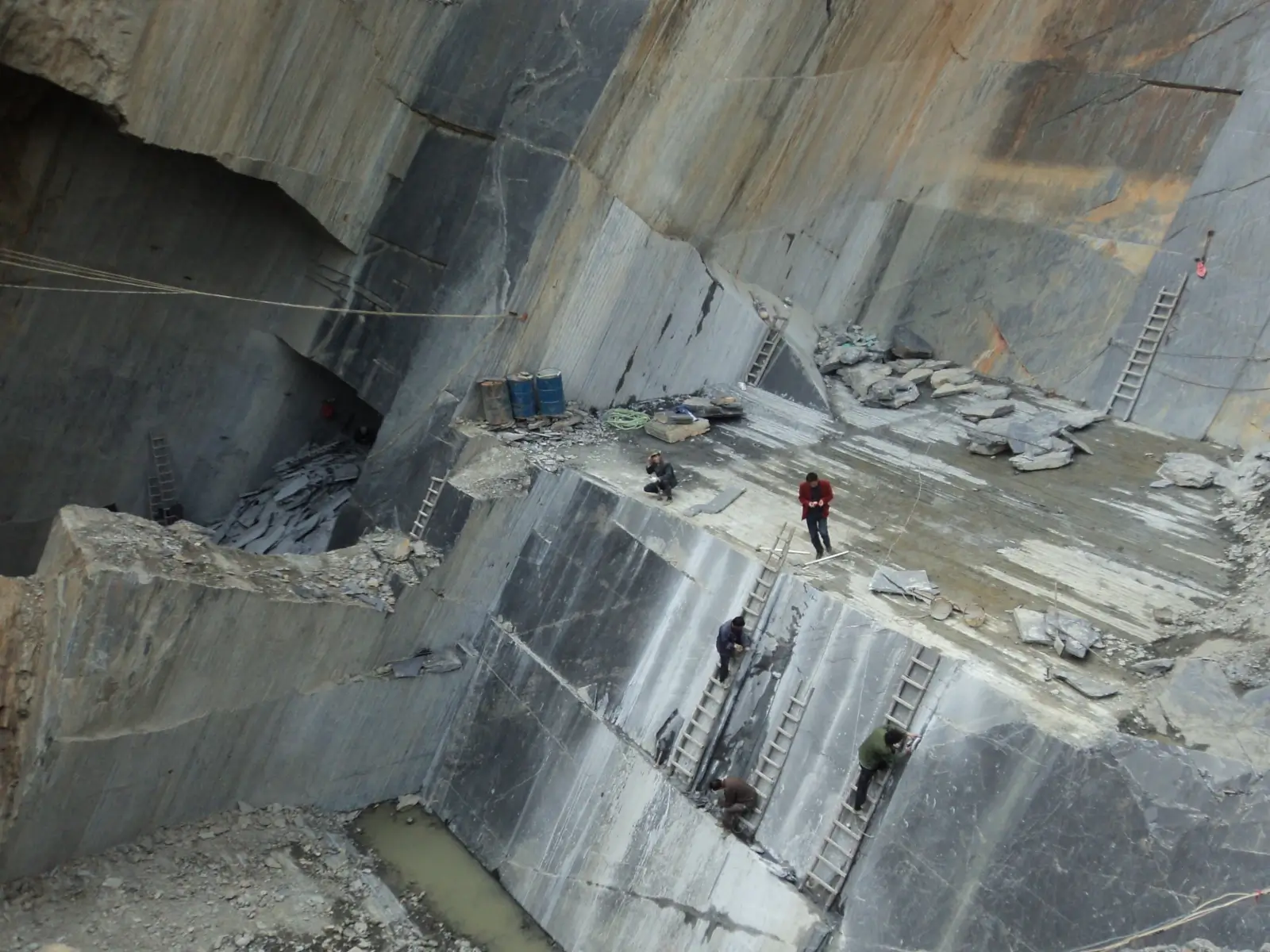
Raw Block Selection
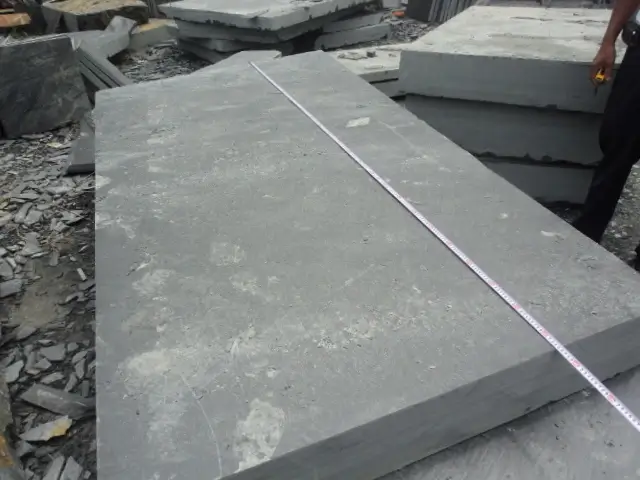
After extraction, every slate block undergoes a detailed visual and structural inspection before entering production.
Only blocks meeting strict quality standards are selected.
Selected Blocks Must Have
✔ Crack-free structure
✔ Uniform density
✔ Stable internal composition
✔ Minimal natural defects
✔ Suitable dimensions for precision processing
Blocks that fail to meet our requirements are rejected before manufacturing begins.
Why It Matters
Selecting premium raw slate reduces processing risks and helps ensure:
- Better machining accuracy
- Improved flatness
- Stronger structural integrity
- Longer service life
- More consistent ball roll performance
The quality of a finished slate table can never exceed the quality of the original stone.
- ⛰️🛡️ Geological Stability
Stable geological structure ensures long-term slate reliability. - 🧊 Density Consistency
Uniform density helps ensure consistent playing performance. - 💎 Mineral Uniformity
Consistent mineral composition improves slate stability and machining accuracy. - 🔍✓ Quality Assessment
Every quarry section is carefully evaluated before extraction.
- ⬛✓ Crack-Free Blocks
Only defect-free blocks are selected for production. - ▦ Uniform Density
Even density helps achieve precise machining and flatness. - 🏛️ Stable Structure
Structural stability reduces the risk of warping and deformation. - 💎⭐ Premium Material
Only premium-grade slate enters our manufacturing process.
Step 2 – Cutting the Slate Blocks
Once premium slate blocks have been selected, the next step is precision cutting.
Using advanced diamond wire saws and bridge cutting machines, large slate blocks are transformed into workable slabs with controlled dimensions and minimal internal stress.
Accurate cutting at this stage lays the foundation for precise machining, stable performance, and consistent slate quality throughout the manufacturing process.
Diamond Wire Saw Cutting
Large raw slate blocks are first cut into slabs using industrial diamond wire saw technology.
Diamond wire saws provide smooth, controlled cutting while minimizing vibration and stress within the stone.
Key Benefits
✔ Reduced risk of hidden fractures
✔ Lower internal stress accumulation
✔ Better structural stability
✔ Improved material utilization
✔ Consistent slab thickness
Compared with traditional cutting methods, diamond wire cutting helps preserve the natural integrity of the slate and prepares it for precision processing.
Why It Matters
Excessive cutting stress can create micro-cracks that may affect long-term slate performance.
Controlled wire saw cutting helps ensure the slate remains stable throughout machining, transportation, and installation.
Bridge Cutting Machine Processing
After wire sawing, the slate slabs are further processed using precision bridge cutting machines.
These machines cut the slabs to controlled dimensions required for professional pool table slate production.
Objectives
✔ Accurate dimensions
✔ Straight cutting edges
✔ Consistent panel sizing
✔ Better machining efficiency
✔ Preparation for CNC processing
Every slab is cut according to strict production specifications to ensure dimensional consistency throughout the manufacturing process.
Why It Matters
Precise dimensions at this stage help guarantee:
- Better slate flatness
- Easier assembly
- Improved joint alignment
- Faster installation
- More accurate final machining
For three-piece slate systems, dimensional consistency is especially important for achieving seamless joints and accurate ball roll.
Customer Benefits
What Buyers Care About
✔ Consistent slate dimensions
✔ Reduced risk of cracking
✔ Better joint alignment
✔ Easier table assembly
✔ Reliable long-term stability
✔ Professional playing performance
Precision cutting is not simply about shaping the stone—it is about preserving the structural integrity required for professional billiard slate.
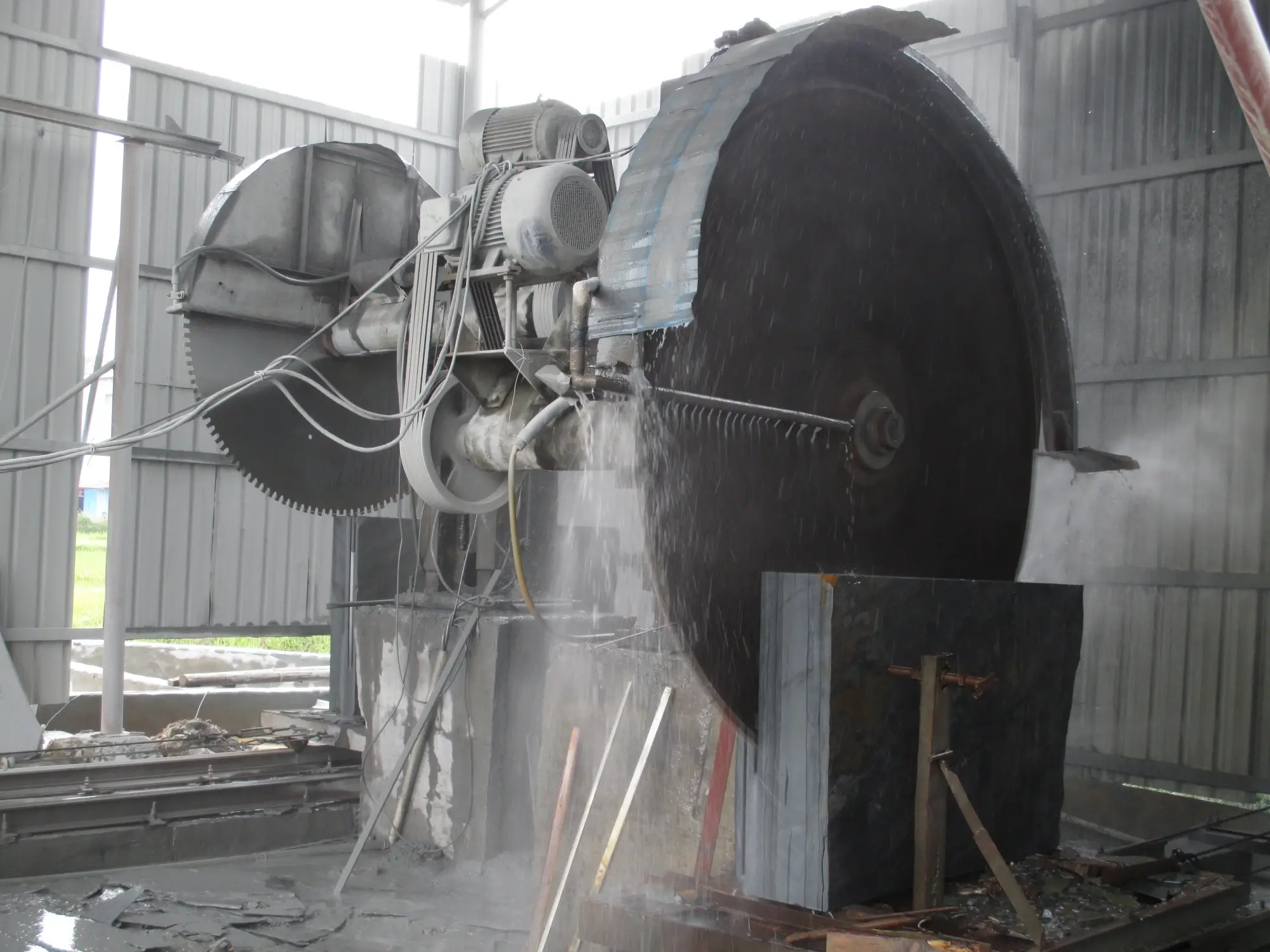
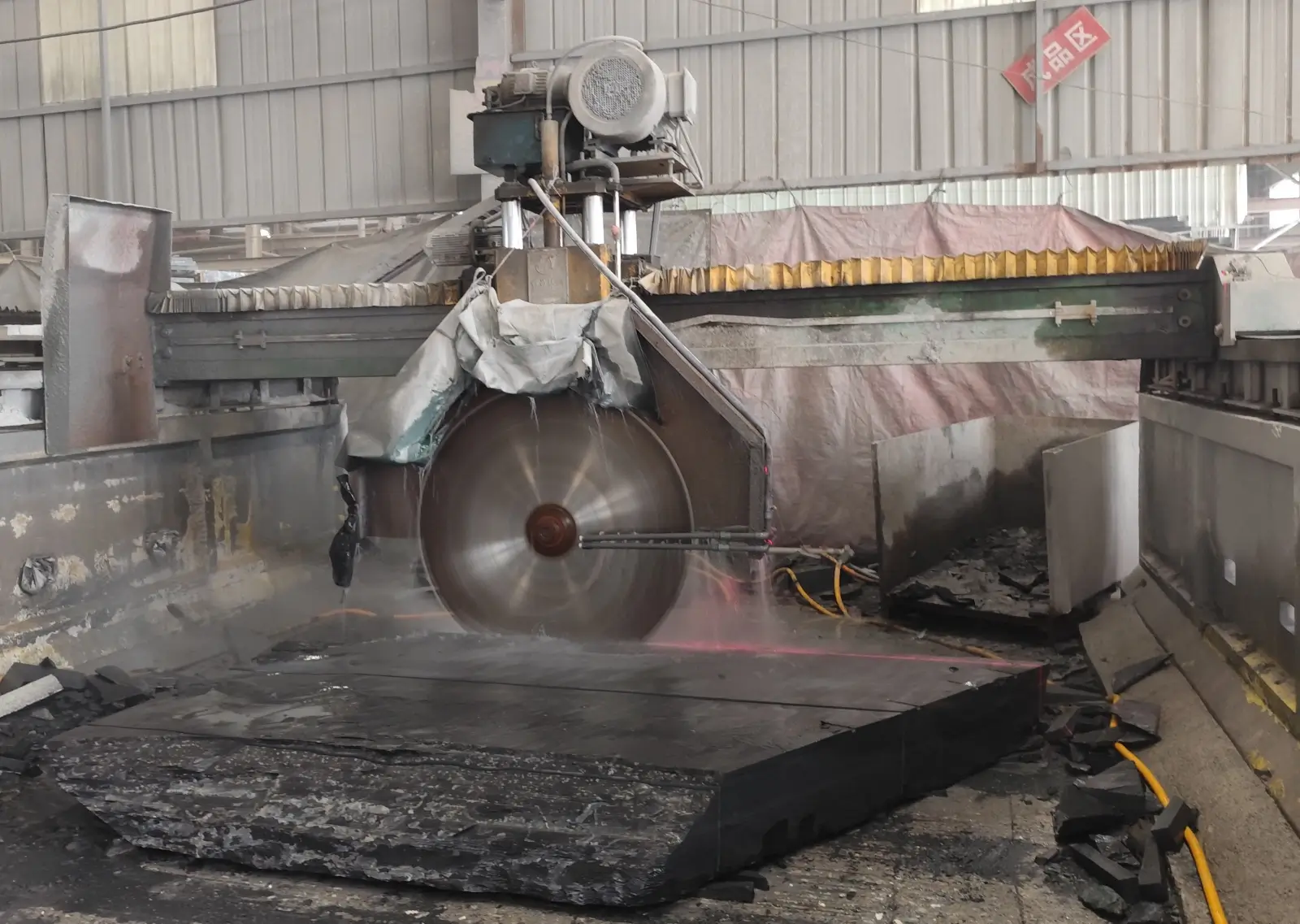
Precision begins with the first cut. Accurate slate dimensions and reduced internal stress create the foundation for superior billiard table performance.
Step 3 – Rough Machining and Dimension Preparation Section Introduction
After the slate slabs are cut from the raw blocks, they enter the rough machining stage.
During this process, each slab is prepared for precision manufacturing through sizing, edge trimming, and thickness preparation. These operations ensure the slate meets the dimensional requirements needed for professional pool table production.
Accurate preparation at this stage improves machining efficiency and helps ensure consistent flatness, thickness, and fit during final assembly.
Sizing and Edge Trimming
The slate slabs are cut and trimmed to approximate finished dimensions according to the table size being produced.
Typical slate sizes include:
- 7ft Pool Table Slate
- 8ft Pool Table Slate
- 9ft Pool Table Slate
At this stage, excess material is removed and edges are straightened to create uniform panels ready for precision machining.
Key Benefits
✔ Consistent dimensions
✔ Straight and clean edges
✔ Improved machining accuracy
✔ Better slate alignment
✔ Reduced material variation
Why It Matters
Accurate sizing helps ensure that all slate sections fit together correctly during later machining and installation.
For three-piece slate systems, dimensional consistency is essential for achieving tight joints and a level playing surface.
Thickness Preparation
After sizing, the slate is processed to achieve the required thickness range for different table specifications.
Professional pool table slates are commonly produced in:
- 19 mm Slate
- 25 mm Slate
- 30 mm Slate
Thickness requirements vary depending on table size, customer specifications, and market standards.
Standard Pool Slate Thickness Guide
| Table Size | Typical Slate Thickness |
|---|---|
| 7ft Pool Table | 19–25 mm |
| 8ft Pool Table | 25 mm |
| 9ft Pool Table | 25–30 mm |
Why Thickness Matters
Slate thickness directly influences:
- Structural strength
- Table stability
- Vibration resistance
- Long-term durability
- Playing consistency
Thicker slates generally provide greater rigidity and are preferred for commercial and tournament-quality tables.
Customer Benefits
By carefully controlling dimensions and thickness before precision machining, we help ensure:
✔ Better flatness control
✔ More accurate CNC processing
✔ Easier installation
✔ Improved joint alignment
✔ Consistent playing performance
✔ Reliable long-term stability
This preparation stage creates the foundation for the precision grinding and machining processes that follow.
Accurate dimensions and consistent thickness are essential for achieving superior flatness, seamless joints, and professional playing performance.
Step 4 – Precision Surface Grinding
Precision surface grinding is one of the most critical stages in pool slate manufacturing.
At this stage, the slate surface is carefully machined and calibrated to achieve the flatness and consistency required for professional pool table performance.
Even the highest-quality raw slate cannot provide accurate ball roll without precision grinding. This process transforms a rough-machined slate into a true playing surface.
CNC Grinding Process
To achieve exceptional accuracy, each slate panel is processed using high-precision grinding machines and computer-controlled machining systems.
During grinding, the surface is gradually calibrated to remove microscopic irregularities and create a smooth, consistent playing plane.
Key Objectives
✔ Precision flatness control
✔ Surface consistency
✔ Dimensional accuracy
✔ Seamless multi-piece matching
✔ Preparation for final inspection
Advanced CNC grinding technology ensures every slate panel meets strict manufacturing standards before entering the quality control stage.
Why CNC Grinding Matters
A pool table surface must be perfectly level to deliver predictable ball movement.
Even small surface variations can affect:
- Ball speed
- Ball direction
- Shot accuracy
- Table leveling
- Overall playing experience
This is why professional billiard slate manufacturers invest heavily in precision grinding equipment.
Why Flatness Matters
Flatness is the single most important quality characteristic of a pool table slate.
A perfectly machined slate provides:
✔ Straight ball roll
✔ Consistent rebound behavior
✔ Accurate shot direction
✔ Professional playing performance
✔ Easier table installation
Even Small Deviations Matter
Many people assume tiny surface variations are insignificant.
In reality, even a deviation of only:
0.1 mm (0.004 inch)
can influence ball movement on a professional pool table.
When a ball travels across a long distance, a slight surface irregularity may cause:
✗ Ball drift
✗ Direction changes
✗ Inconsistent speed
✗ Reduced shot accuracy
For tournament-quality tables, maintaining excellent flatness is essential.
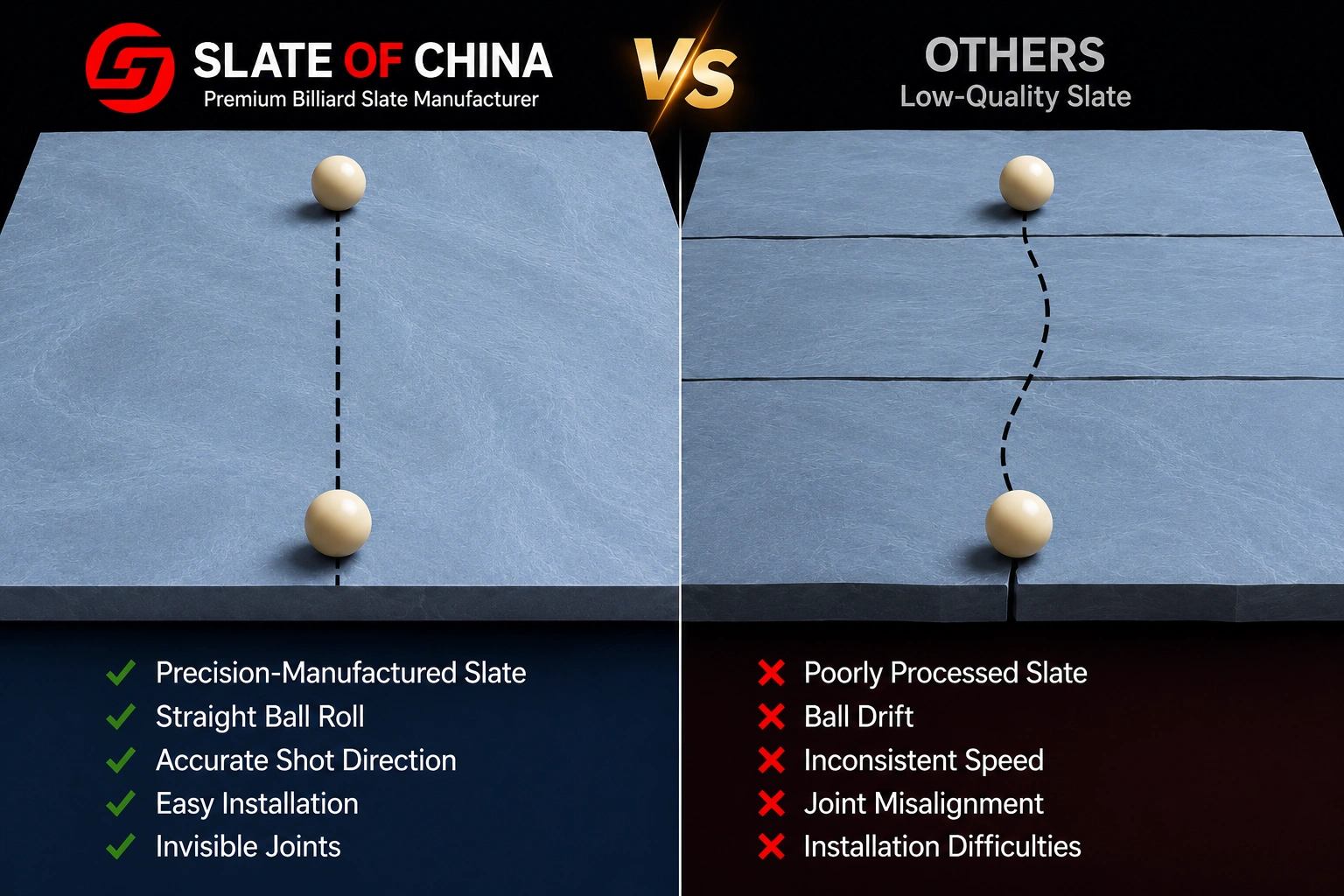
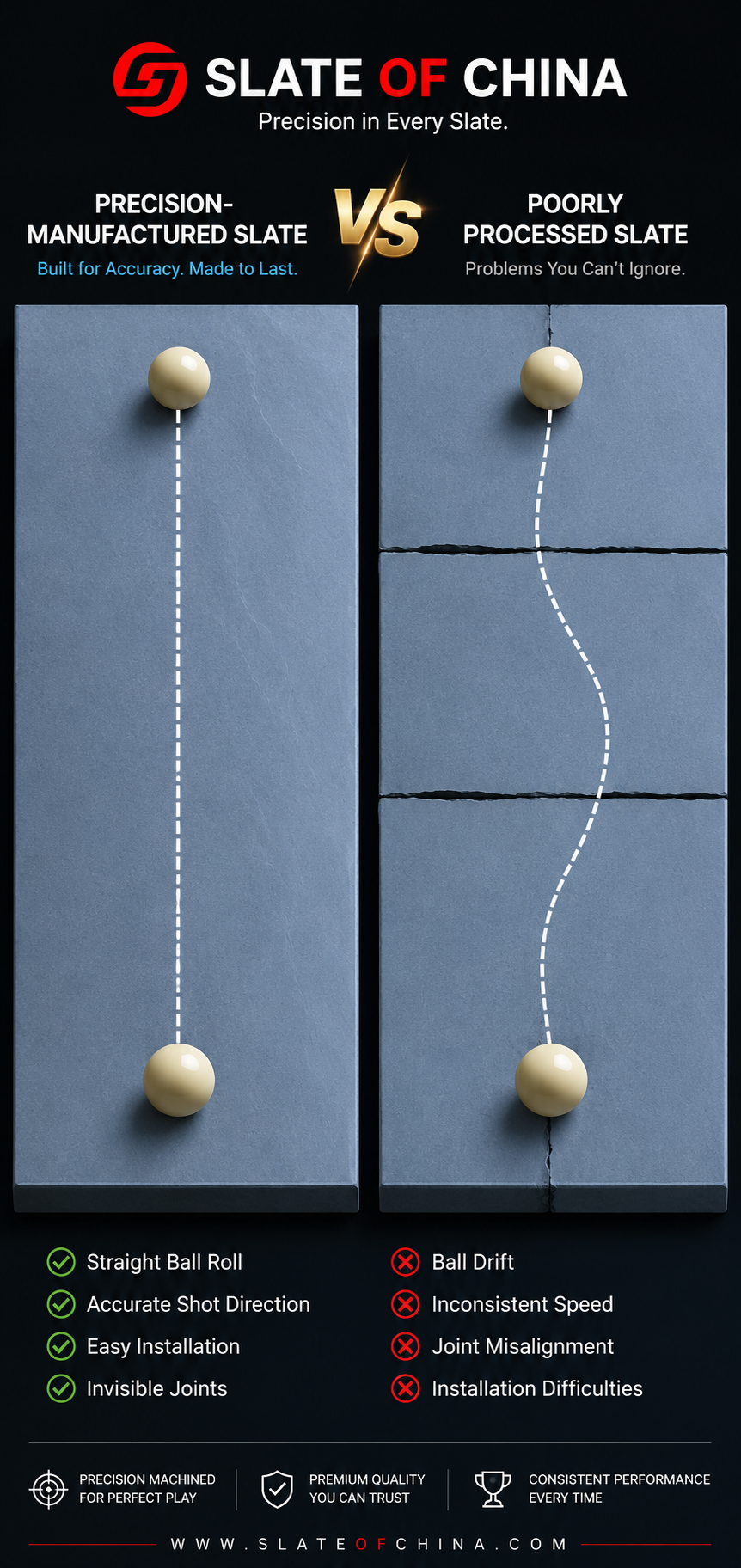
Visual Comparison
Precision-Manufactured Slate
✔ Straight Ball Roll
✔ Accurate Shot Direction
✔ Consistent Ball Speed
✔ Invisible Slate Joints
✔ Easier Installation
Poorly Processed Slate
✗ Ball Drift
✗ Inconsistent Speed
✗ Direction Deviation
✗ Visible Joint Misalignment
✗ Installation Difficulties
Customer Benefits
For pool table manufacturers and distributors, precision surface grinding provides:
Better Playing Performance
Accurate ball movement creates a professional playing experience.
Easier Installation
Consistent slate dimensions reduce leveling time.
Improved Joint Alignment
Flat surfaces help create tighter seams between slate sections.
Reduced Customer Complaints
A properly ground slate minimizes performance-related issues after installation.
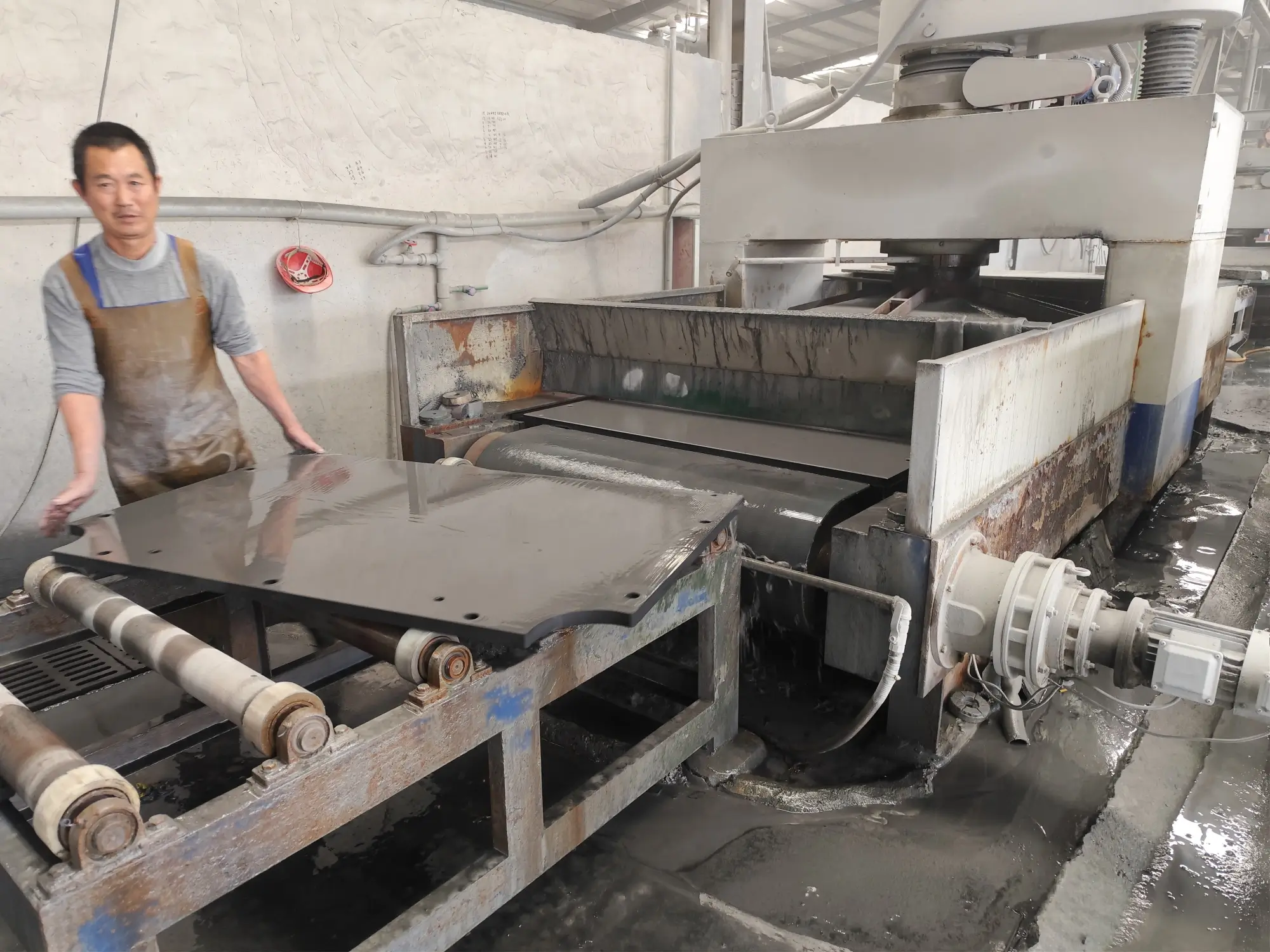
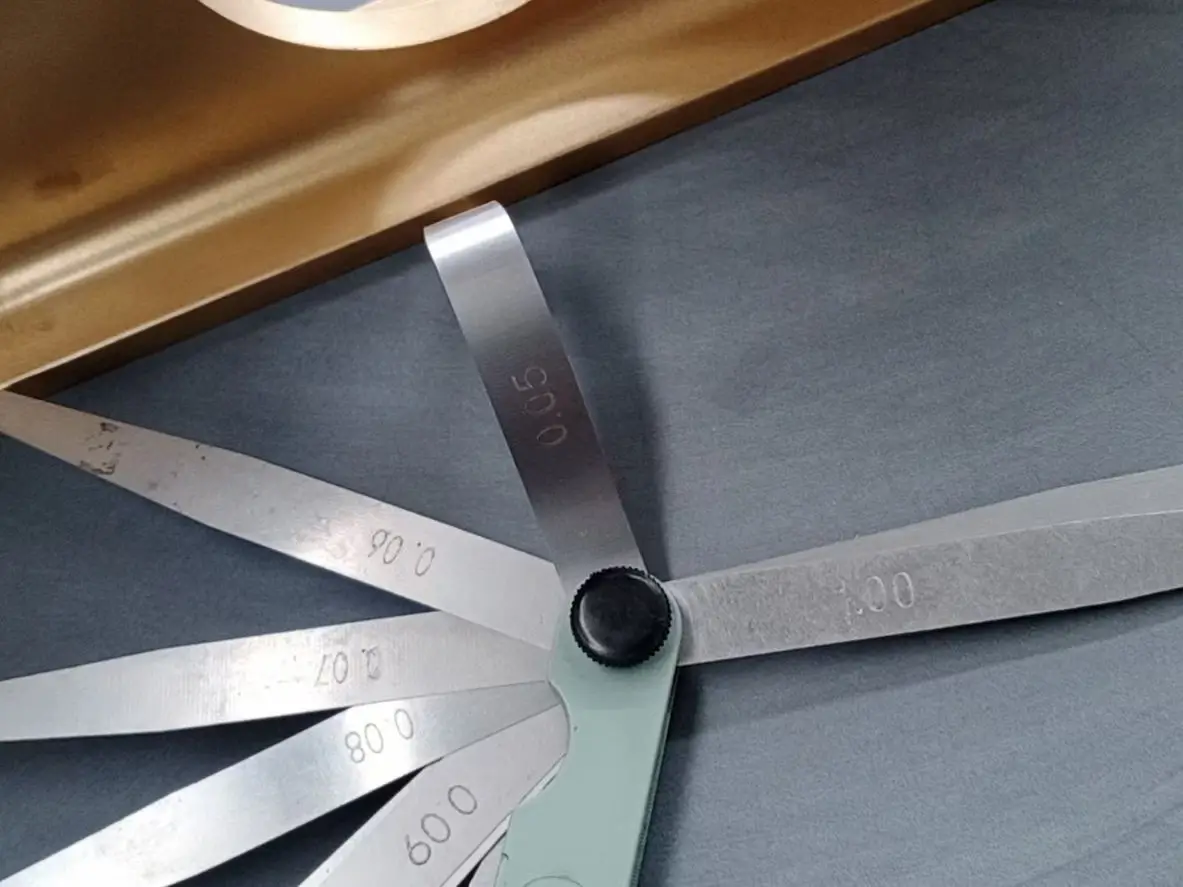
A pool table can only play as accurately as the slate beneath it. Precision surface grinding is what transforms natural stone into a professional playing surface.
Step 5 – Drilling and Pocket Machining Section Introduction
After precision grinding, the slate enters the drilling and pocket machining stage.
Using CNC machining equipment, each slate panel is processed according to the specific requirements of the pool table design. Precise hole positioning and pocket machining ensure accurate assembly, proper alignment, and compatibility with different table models.
This stage plays a critical role in achieving a professional fit and long-term structural stability.
CNC Drilling and Machining
Modern CNC drilling machines are used to machine all required features with high accuracy and repeatability.
Each slate panel is processed according to detailed engineering drawings and customer specifications.
Machined Features Include
✔ Bolt Holes
Used for securely fastening slate sections to the table frame.
✔ Dowel Holes
Provide accurate alignment between slate sections during installation.
✔ Frame Positioning Holes
Ensure precise positioning of the slate on the cabinet structure.
✔ Pocket Cutouts
Machined to match specific pocket designs and table standards.
Why Precision Matters
Even small positioning errors can create problems during installation.
Accurate CNC machining helps ensure:
- Better slate alignment
- Easier assembly
- Tighter slate joints
- Consistent pocket positioning
- Improved table stability
Precision drilling reduces installation time and improves the overall quality of the finished table.
Compatible with Different Pool Table Designs
Different markets and table manufacturers require different slate specifications.
Our machining process can be customized to suit a wide range of table designs.
Applications
🎱 American Pool Tables
Commonly used for 7ft, 8ft, and 9ft tables in North America.
🎱 English Pool Tables
Suitable for UK-style pool tables with specific pocket and mounting requirements.
🎱 Commercial Pool Tables
Designed for clubs, tournament venues, and entertainment centers.
🎱 Home Pool Tables
Custom-machined for residential and recreational applications.
Custom Machining Available
We can manufacture pool table slate according to:
✔ Customer drawings
✔ OEM specifications
✔ Custom hole patterns
✔ Custom pocket designs
✔ Special table dimensions
This flexibility allows table manufacturers to integrate our slate into their own production systems.
Why This Step Matters
Accurate drilling and machining provide several important benefits:
Easier Installation
Correct hole positioning speeds up assembly and leveling.
Better Joint Alignment
Accurate dowel holes help create seamless connections between slate sections.
Improved Structural Stability
Proper mounting ensures long-term table performance.
Greater Compatibility
Custom machining allows the slate to fit different brands and table designs.
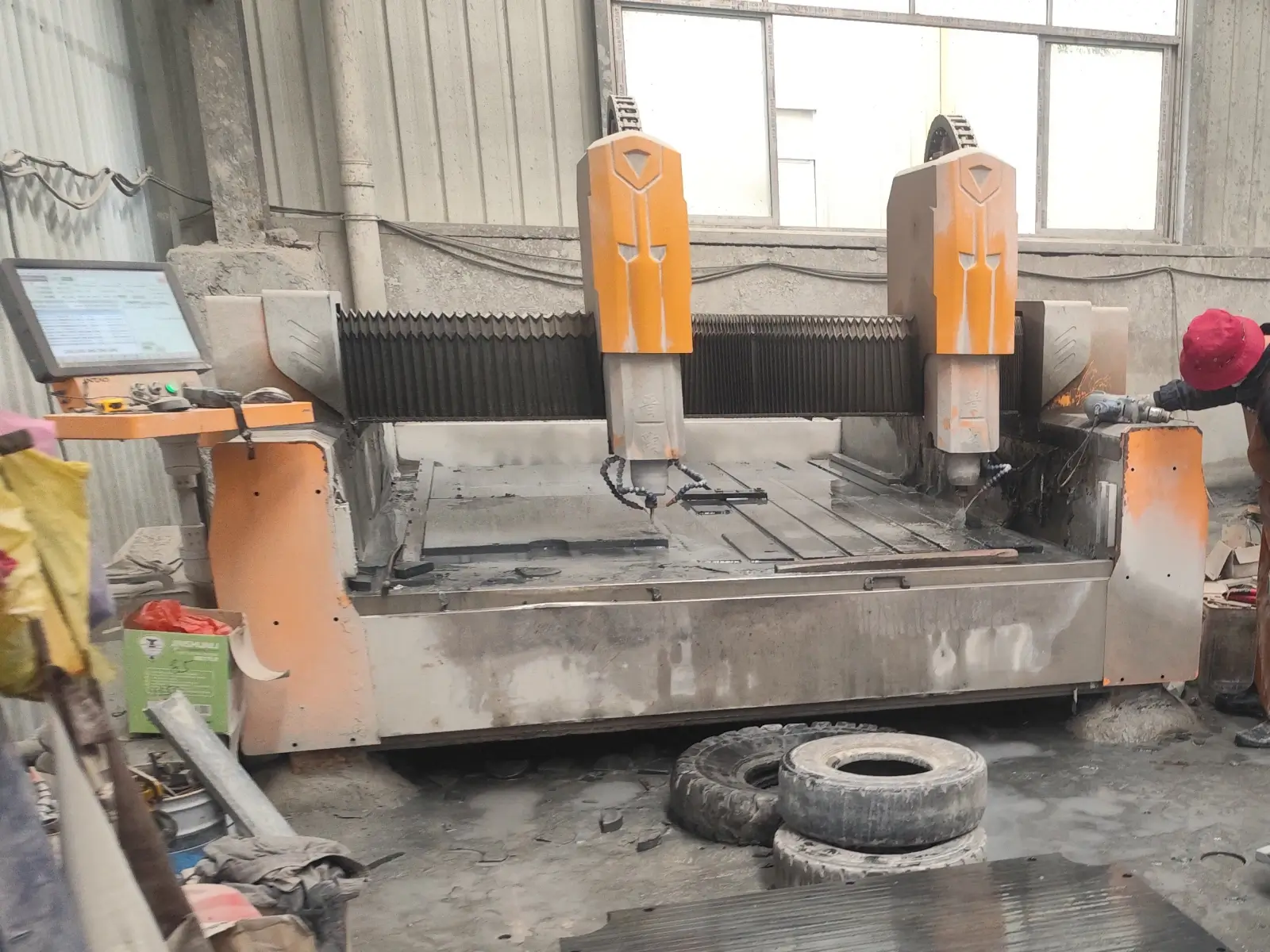
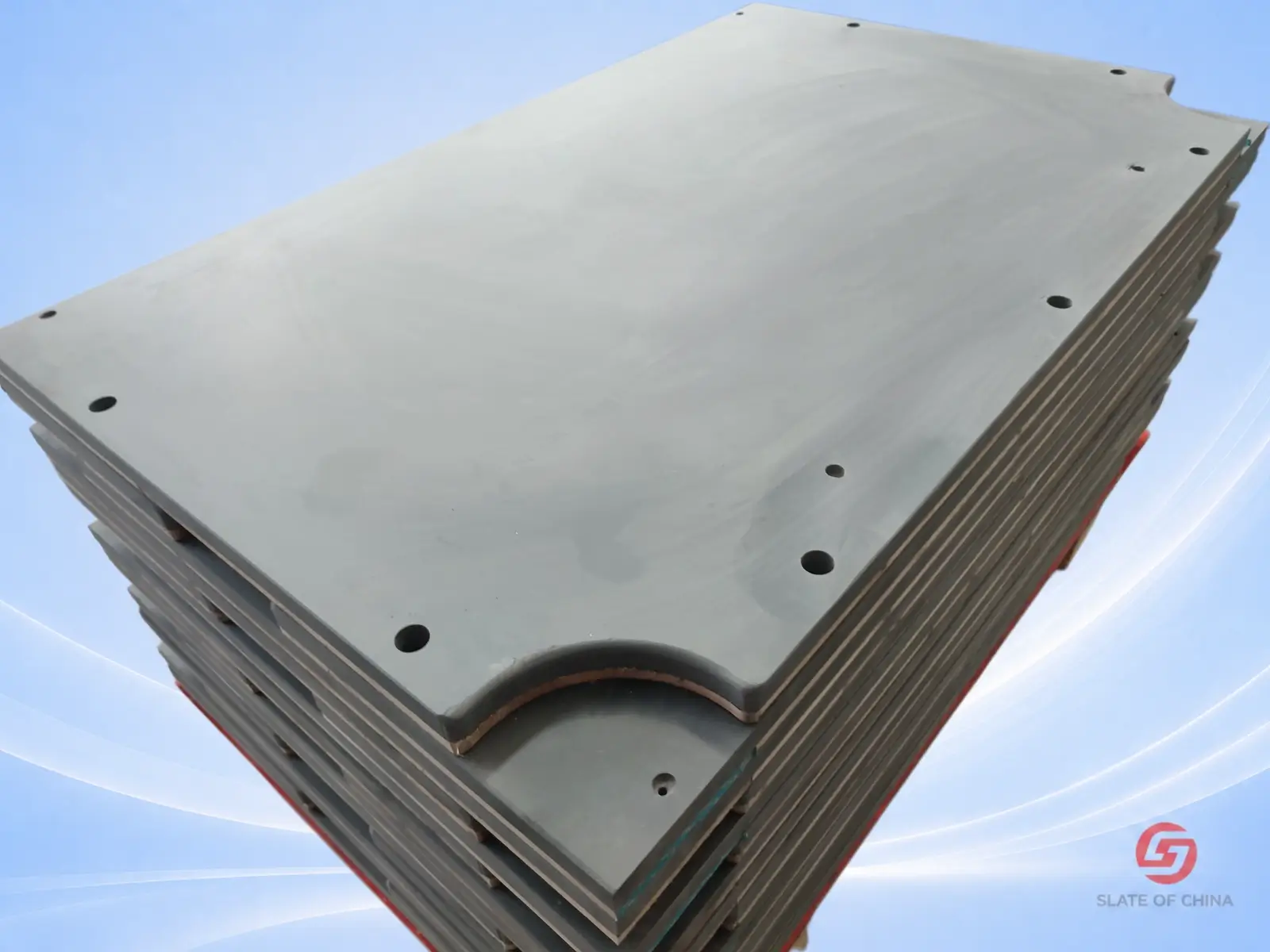
Precision drilling is the bridge between slate manufacturing and table assembly. Accurate hole positioning ensures easier installation, better alignment, and long-term performance.
Step 6 – Slate Calibration and Matching
For professional three-piece pool table slates, manufacturing accuracy alone is not enough.
Before shipment, individual slate panels must be carefully calibrated and matched to ensure they perform as a complete set after installation.
This matching process helps minimize visible joints, improve surface continuity, and ensure consistent playing performance across the entire table.
Multi-Piece Slate Matching
Most professional pool tables use a three-piece slate system for easier transportation, handling, and installation.
To achieve a seamless playing surface, each slate set undergoes a detailed matching process before packaging.
Calibration Criteria
Thickness Matching
Each slate section is measured and grouped to ensure consistent thickness across the entire set.
Benefits:
✔ Easier leveling
✔ Better surface continuity
✔ Reduced installation adjustments
Density Matching
Natural slate can vary slightly in density from one block to another.
By matching panels with similar material characteristics, we help ensure:
✔ Consistent structural behavior
✔ Uniform weight distribution
✔ Improved long-term stability
Surface Matching
The ground surfaces of all three pieces are inspected together to verify compatibility.
This helps achieve:
✔ Better flatness transition
✔ Smoother ball movement
✔ Reduced joint visibility
✔ Professional playing performance
Why Slate Matching Matters
Even if each slate panel individually meets quality standards, poor matching can create problems after installation.
Without proper calibration:
✗ Visible joint lines
✗ Uneven surface transitions
✗ More installation time
✗ Ball roll inconsistencies
✗ Additional leveling work
Professional slate matching significantly reduces these risks.
Professional Three-Piece Slate Sets
Before shipment, every three-piece slate set is calibrated and matched as a complete unit.
This process helps ensure:
✔ Minimal joint gaps
✔ Better alignment
✔ Consistent thickness
✔ Improved installation efficiency
✔ Superior playing surface quality
The goal is simple:
To make three separate slate pieces perform like a single continuous playing surface.
Customer Benefits
Faster Installation
Matching reduces the amount of adjustment required during assembly.
Better Joint Alignment
Properly matched panels create tighter and less visible seams.
Improved Playing Performance
A more consistent surface provides smoother and more predictable ball roll.
Higher Customer Satisfaction
Better installation results help reduce callbacks and service issues.
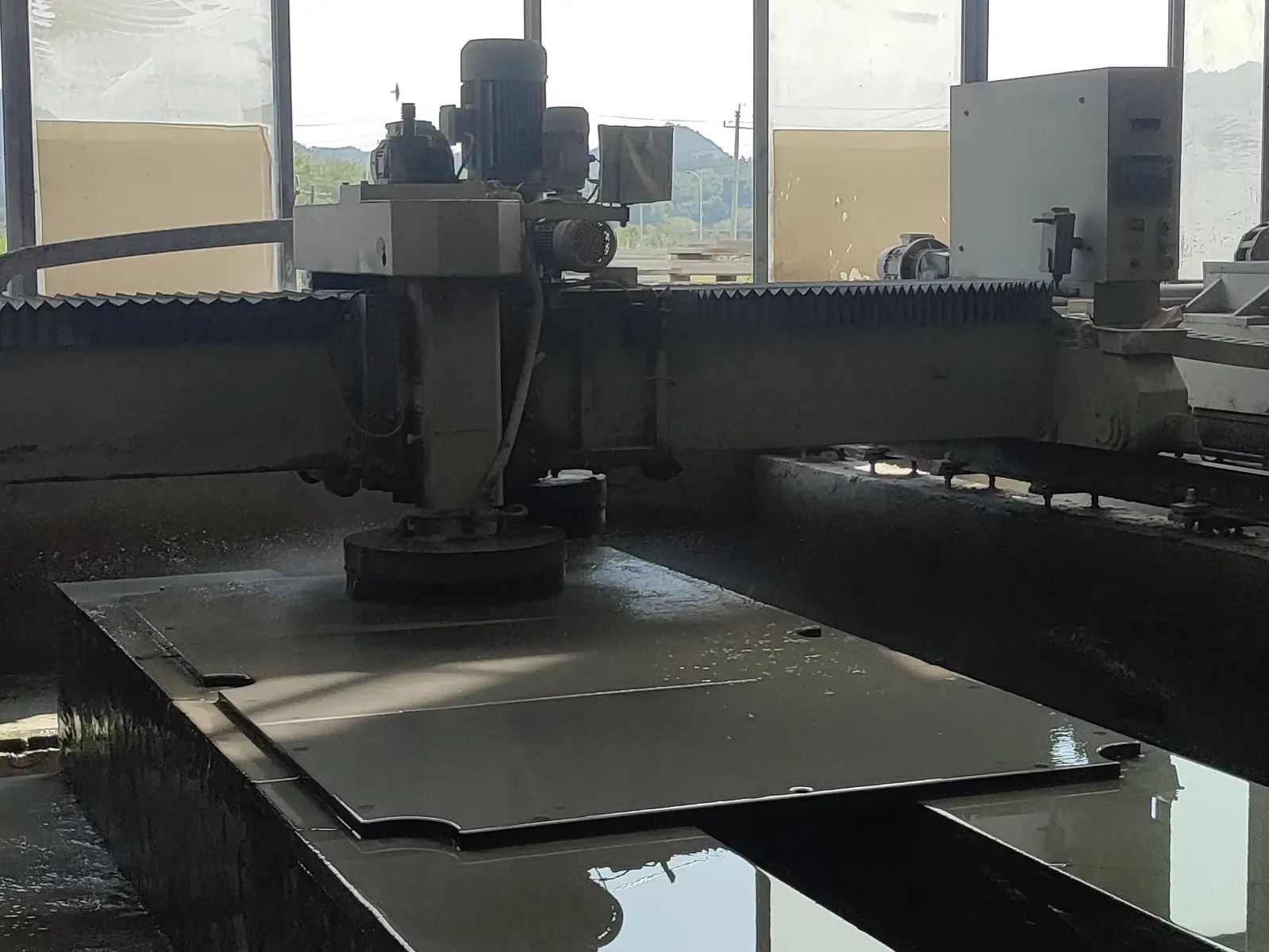
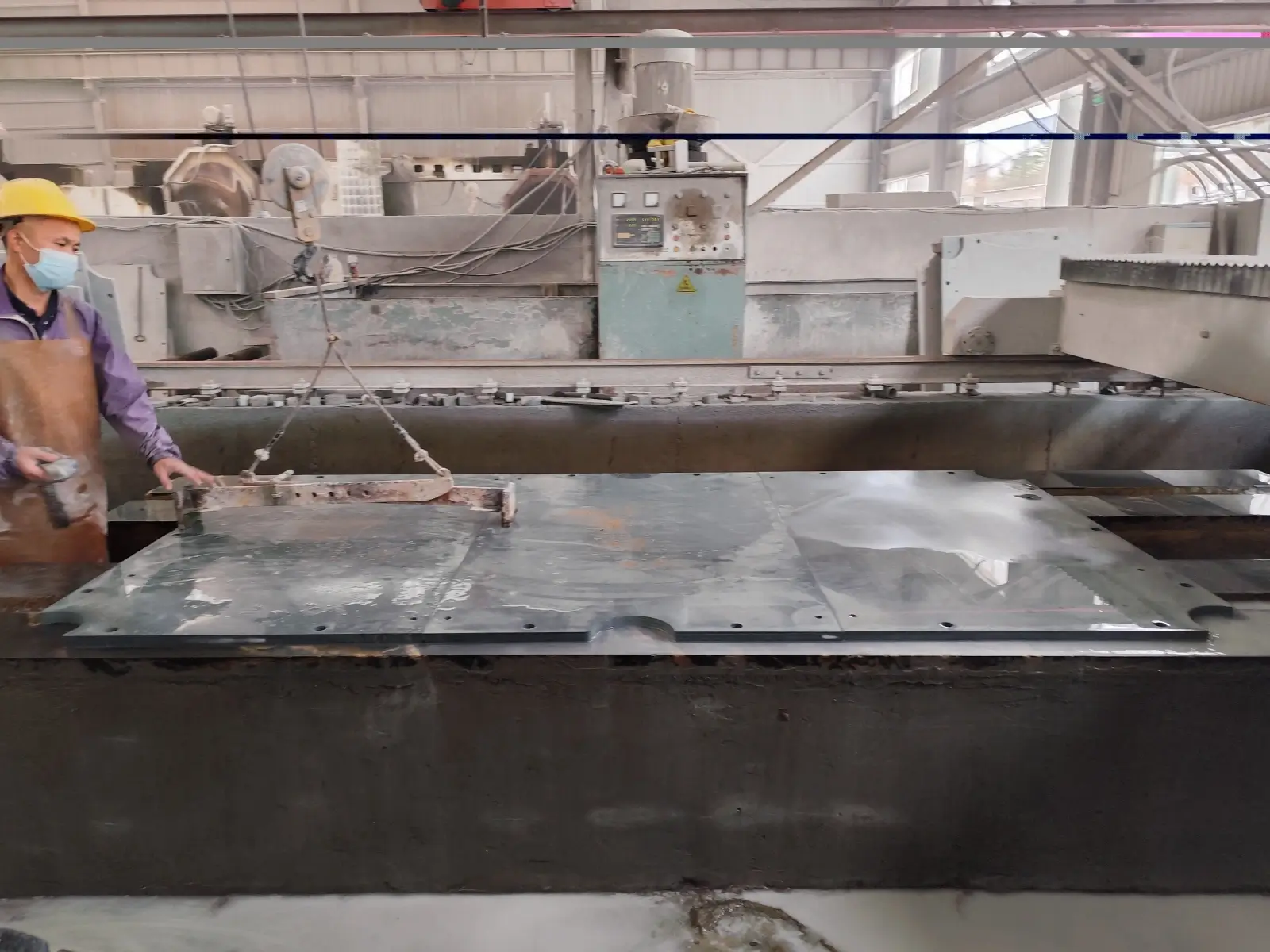
Precision grinding creates a flat surface, but professional calibration ensures multiple slate pieces perform as one unified playing field.
Step 7 – Quality Inspection
Before any slate leaves the factory, it undergoes a comprehensive quality inspection process.
Every pool table slate is checked against strict manufacturing standards to verify dimensional accuracy, flatness, machining quality, and overall appearance.
Our goal is simple:
To ensure every slate set arrives ready for installation and delivers consistent playing performance.
Comprehensive Quality Inspection
Each slate panel is inspected by trained quality control personnel using precision measuring tools and inspection equipment.
The inspection process verifies that every critical specification meets production requirements before packaging and shipment.
Dimensions Verification
The overall length and width of each slate panel are measured to ensure compliance with engineering drawings and customer specifications.
Benefits:
✔ Accurate table fit
✔ Easier assembly
✔ Consistent product quality
Thickness Inspection
Slate thickness is checked at multiple points across the panel.
Benefits:
✔ Uniform thickness
✔ Improved flatness
✔ Better structural stability
✔ Easier leveling during installation
Flatness Inspection
Surface flatness is one of the most important inspection criteria.
Each slate panel is inspected to verify that the playing surface meets strict factory standards.
Benefits:
✔ Straight ball roll
✔ Consistent ball speed
✔ Professional playing performance
Hole Position Accuracy
All drilled holes and machined features are measured for positioning accuracy.
Inspection includes:
✔ Bolt holes
✔ Dowel holes
✔ Frame positioning holes
✔ Pocket machining locations
Benefits:
✔ Faster installation
✔ Better alignment
✔ Reduced assembly issues
Edge Quality Inspection
The edges of each slate panel are inspected for:
✔ Clean machining
✔ Straight edges
✔ Proper finishing
✔ Damage-free surfaces
Surface Defect Inspection
Every panel is visually inspected to identify:
✔ Cracks
✔ Chips
✔ Surface damage
✔ Material defects
Only slates meeting quality requirements proceed to packaging.
Quality Standards
| Inspection Item | Standard |
|---|---|
| Thickness | ±0.5 mm |
| Flatness | Strict Factory Control |
| Length & Width | Precise CNC Tolerance |
| Hole Position Accuracy | Verified Before Shipment |
| Edge Quality | Clean & Damage-Free |
| Surface Condition | No Major Defects |
Why Quality Inspection Matters
Even advanced manufacturing equipment cannot replace final inspection.
A comprehensive quality control process helps ensure:
Consistent Product Quality
Every slate set meets the same manufacturing standards.
Reduced Installation Problems
Accurate dimensions and hole positioning simplify assembly.
Better Playing Performance
Verified flatness contributes to smooth and predictable ball roll.
Greater Customer Confidence
Reliable quality reduces service issues and warranty claims.
Quality Control Workflow
Inspection Process
Raw Measurements
↓
Thickness Verification
↓
Flatness Inspection
↓
Hole Position Check
↓
Visual Surface Inspection
↓
Final Approval
↓
Packaging & Shipment
Customer Benefits
For pool table manufacturers, distributors, and installers, quality inspection means:
✔ Consistent dimensions
✔ Easier installation
✔ Better slate alignment
✔ Reliable playing performance
✔ Reduced after-sales issues
✔ Greater confidence in every shipment
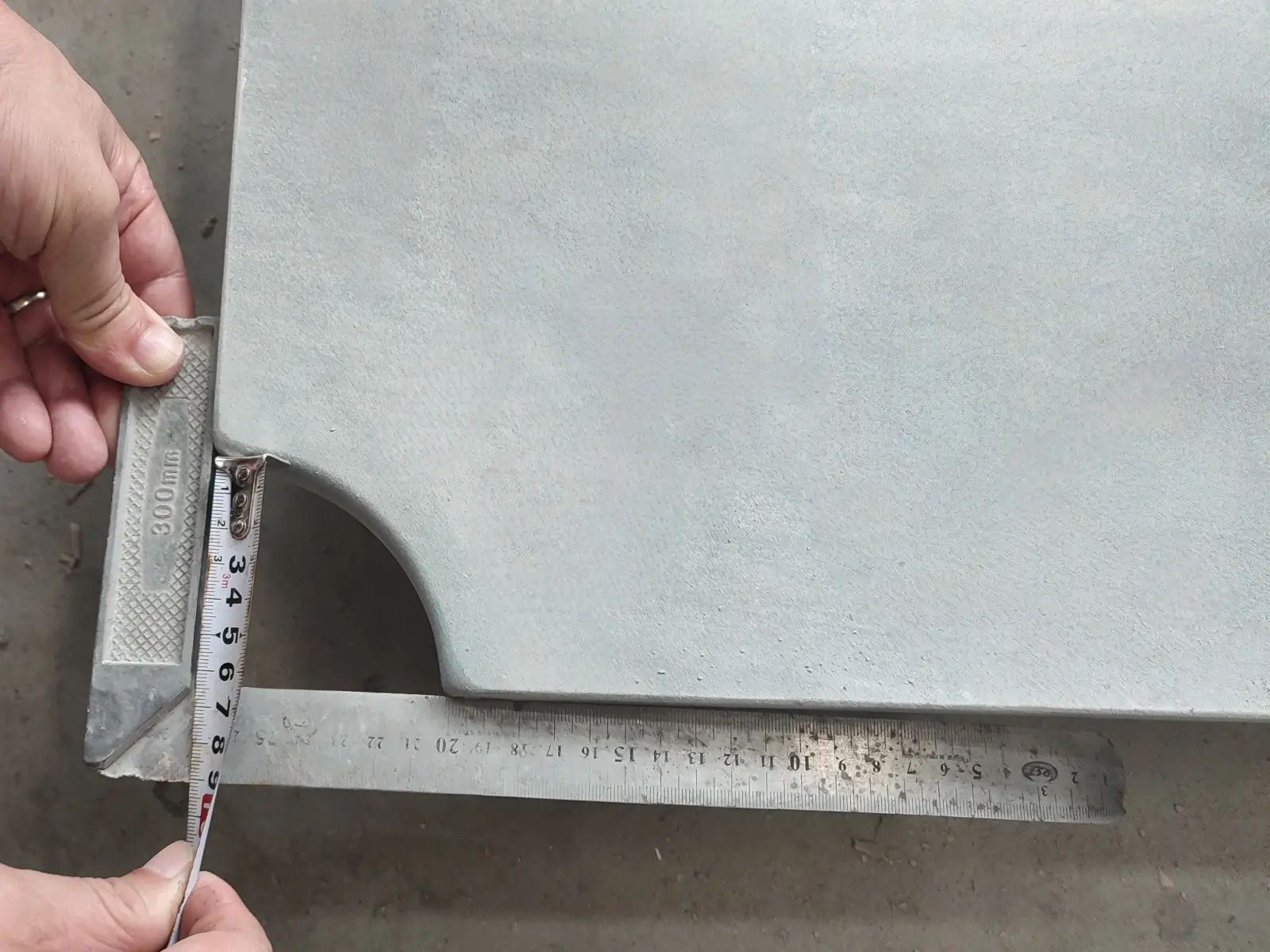
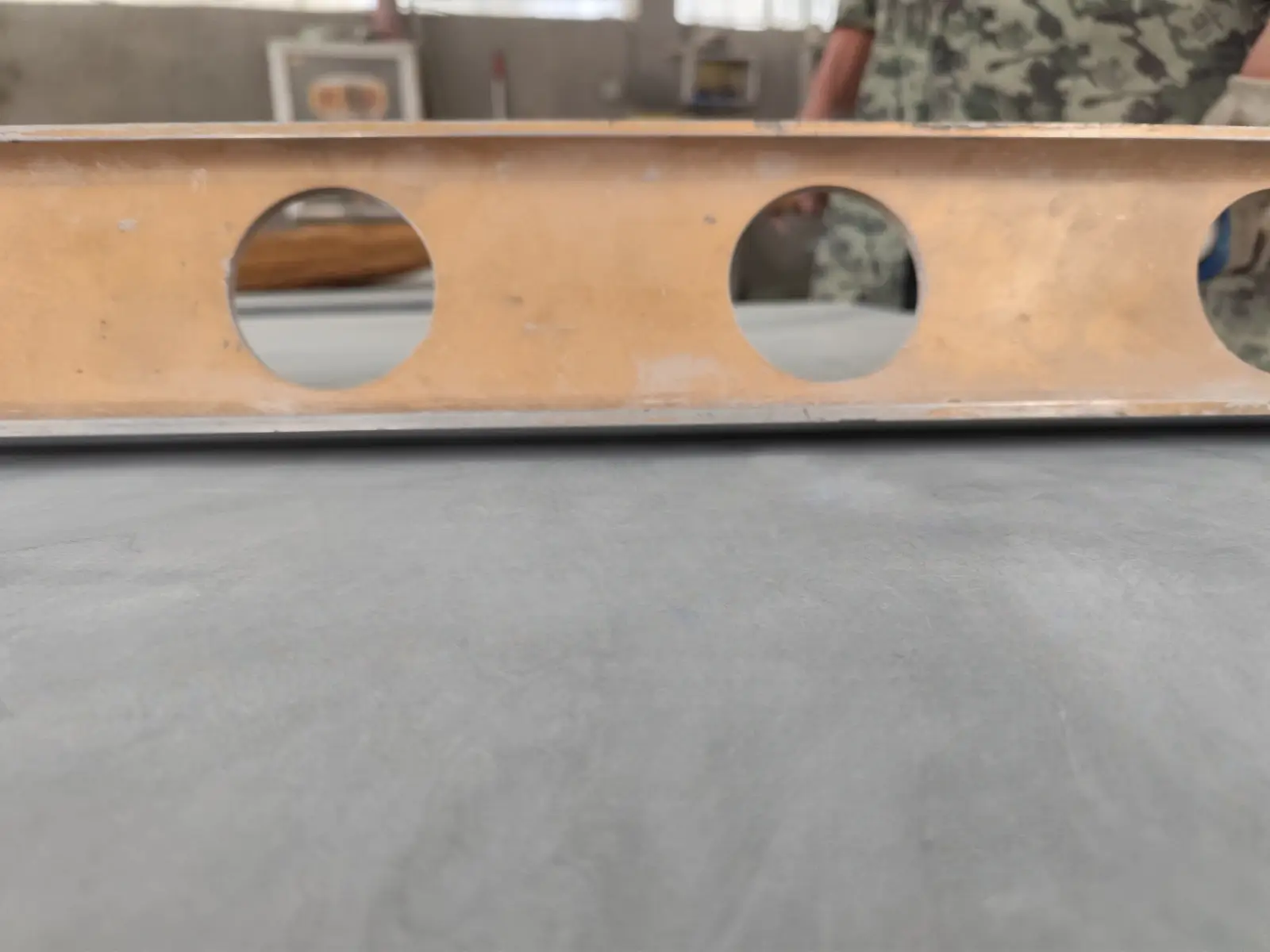
Manufacturing creates quality, but inspection verifies it. Every slate set is checked before shipment to ensure accuracy, consistency, and long-term reliability.
Step 8 – Packaging and Export Preparation
After passing quality inspection, the slate enters the final stage of the manufacturing process: packaging and export preparation.
Because pool table slate is a heavy and fragile natural stone product, proper packaging is essential to prevent damage during handling, storage, and international transportation.
Our export packaging system is designed to provide maximum protection and ensure every shipment arrives safely at its destination.
Protective Packaging
Each slate set is carefully packed using multiple layers of protection before loading.
The packaging method is selected according to product size, destination, and shipping requirements.
Packaging Features
Foam Protection
Protective foam is applied between slate surfaces and around vulnerable areas to absorb impact during transportation.
Benefits:
✔ Reduces vibration damage
✔ Protects finished surfaces
✔ Prevents scratches and chipping
Corner Protection
Slate corners are especially vulnerable during handling and loading.
Additional corner protection helps prevent:
✔ Edge damage
✔ Corner breakage
✔ Impact-related defects
Fumigation-Free Plywood Crates
For international export shipments, slate products are commonly packed in fumigation-free plywood crates.
Benefits:
✔ Export compliant
✔ Strong structural protection
✔ Suitable for international shipping
✔ Easy customs clearance
Reinforced Securing
The crates are reinforced using strapping and support structures to minimize movement during transportation.
Benefits:
✔ Improved shipment stability
✔ Reduced transit damage
✔ Better load protection
Why Packaging Matters
Even a perfectly manufactured slate can be damaged if it is not packaged correctly.
Professional packaging helps protect:
- Surface flatness
- Machined edges
- Pocket openings
- Drilled holes
- Overall product integrity
Proper packaging is the final step in protecting manufacturing quality.
Container Loading
After packaging, the slate is carefully loaded into export containers using established loading procedures.
Our loading process is designed to maximize safety and minimize movement during transit.
Container Loading Procedures
✔ Weight-balanced loading
✔ Stable crate positioning
✔ Secure strapping
✔ Forklift handling control
✔ Container space optimization
Why Proper Loading Matters
A shipping container may travel thousands of kilometers through:
- Truck transportation
- Port handling
- Ocean freight
- Destination delivery
Proper loading helps ensure:
✔ No breakage
✔ Reduced movement
✔ Better shipment security
✔ Safe overseas transport
Global Export Experience
Our pool table slates are exported to customers worldwide, including:
🌎 North America
🌎 Europe
🌎 Australia
🌎 Southeast Asia
🌎 Middle East
🌎 South America
Years of export experience allow us to provide packaging solutions suitable for different markets and transportation conditions.
Customer Benefits
Reduced Risk of Damage
Protective packaging helps minimize transportation-related losses.
Lower Replacement Costs
Proper crate design reduces the likelihood of damaged shipments.
Faster Customs Handling
Fumigation-free packaging meets international shipping requirements.
Greater Peace of Mind
Customers can receive products with confidence, knowing the slate has been prepared for long-distance transportation.
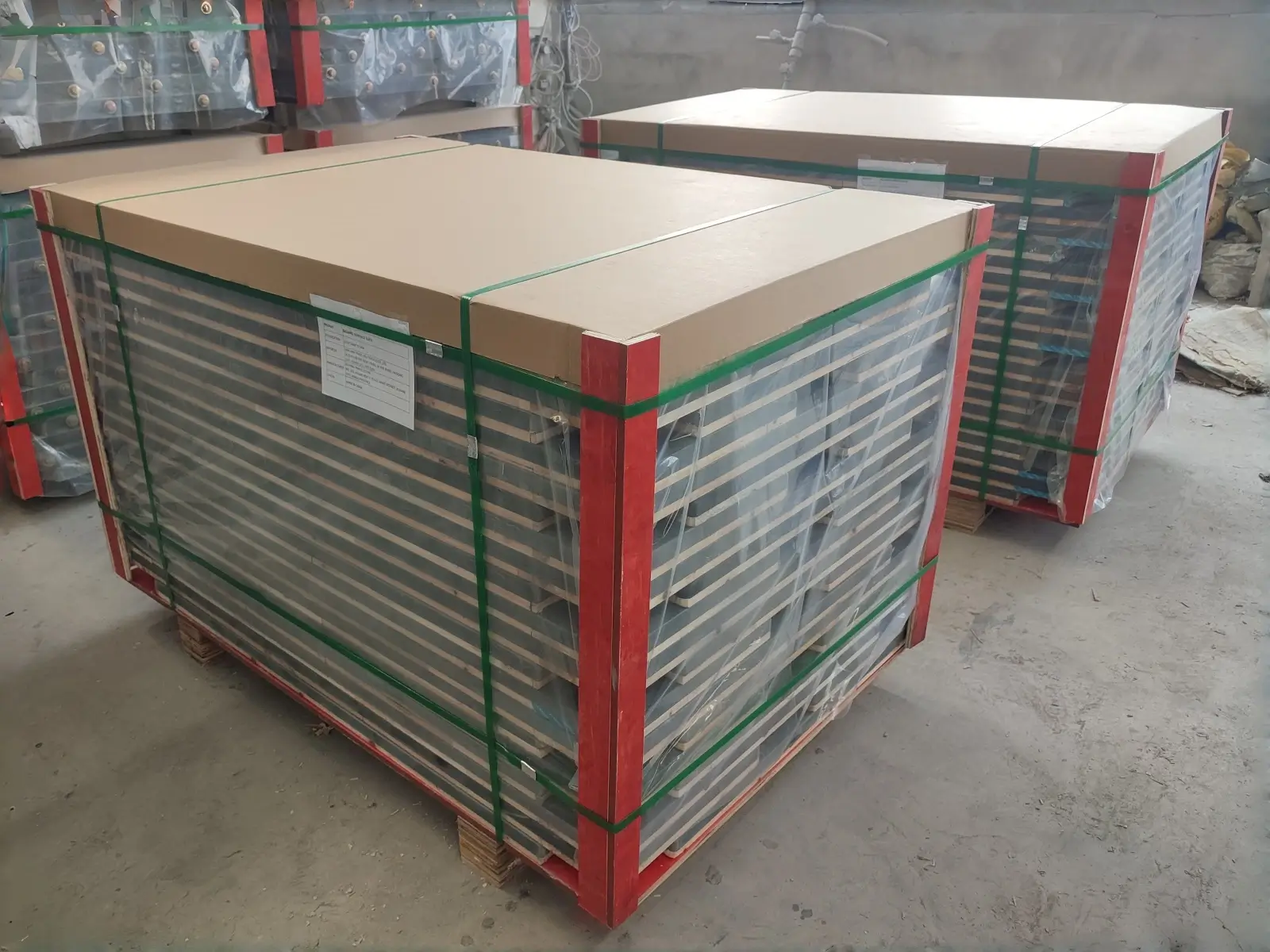
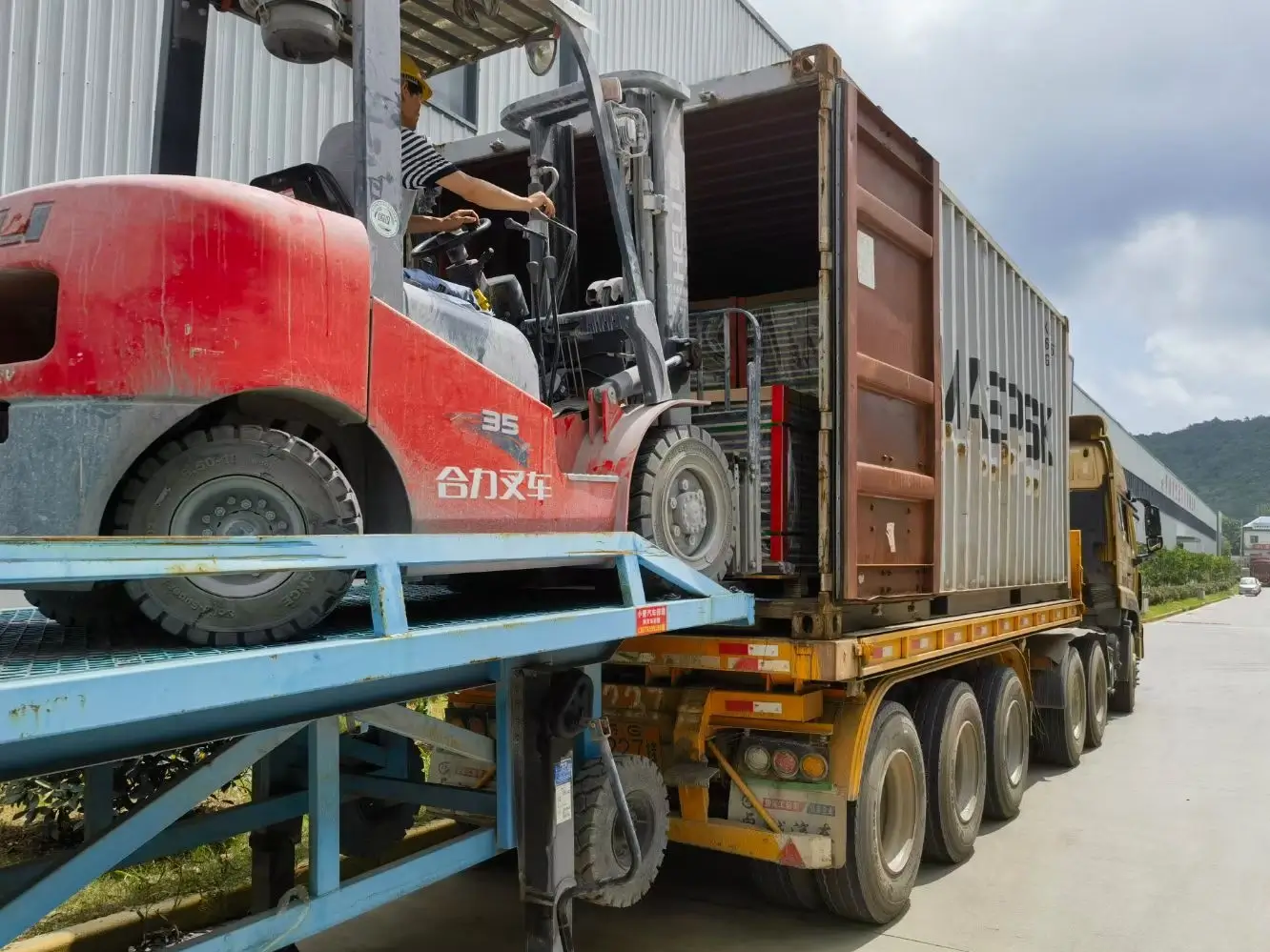
From quarry selection to final container loading, every step of the process is designed to ensure that our pool table slates arrive ready for installation and professional play.
BILLIARD SLATE MANUFACTURING PROCESS FLOW CHART
From natural slate quarrying to precision machining and export packaging, every billiard slate is processed under strict dimensional and flatness control.
Our billiard slate manufacturing process is designed to ensure accuracy, stability and long service life. From slate quarry selection and block cutting to CNC machining, precision grinding, drilling, calibration, inspection, packaging and export shipment, every step is controlled to meet the requirements of billiard table manufacturers, pool table suppliers and global distributors.
We focus on flatness, thickness tolerance, hole accuracy, pocket machining, surface finish and safe export packaging, helping customers reduce installation problems, transportation damage and after-sales risks. Whether you need pool table slate, snooker slate or custom billiard slate, Slate of China can provide reliable slate products for professional table manufacturing.
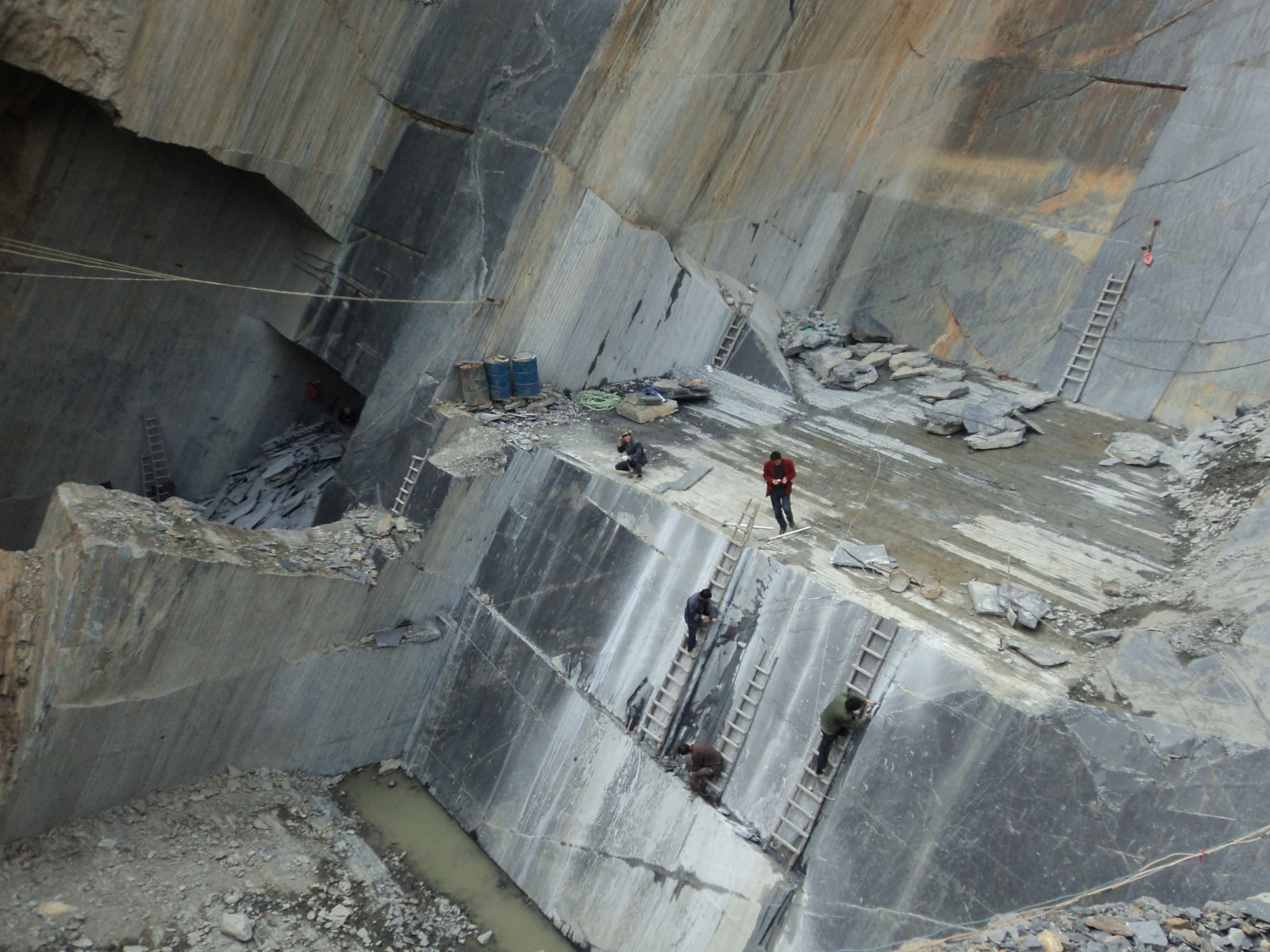
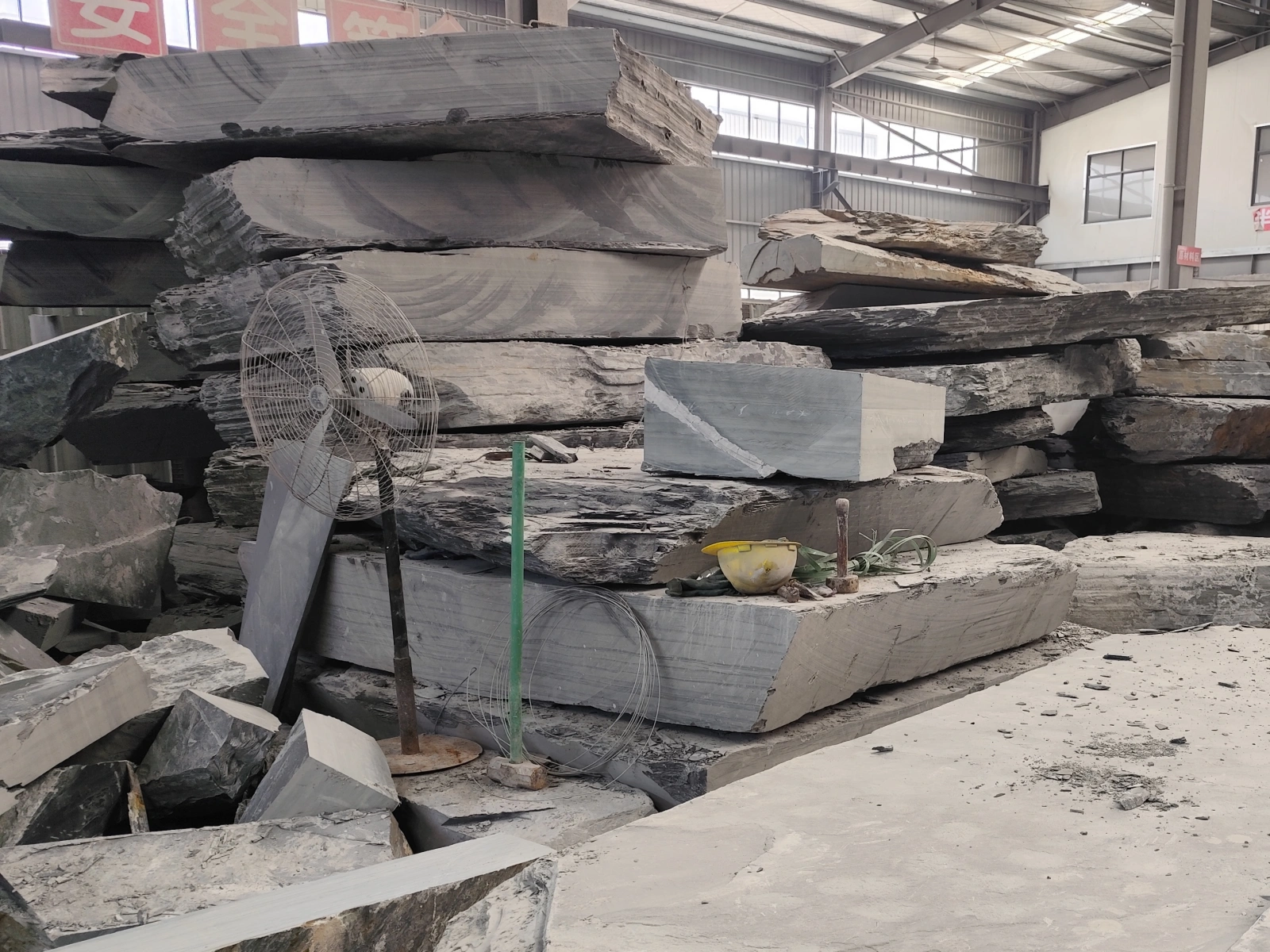
01. Slate Quarry
Carefully selected natural slate from reliable quarry resources, ensuring stable density, fine grain structure and long-term durability.
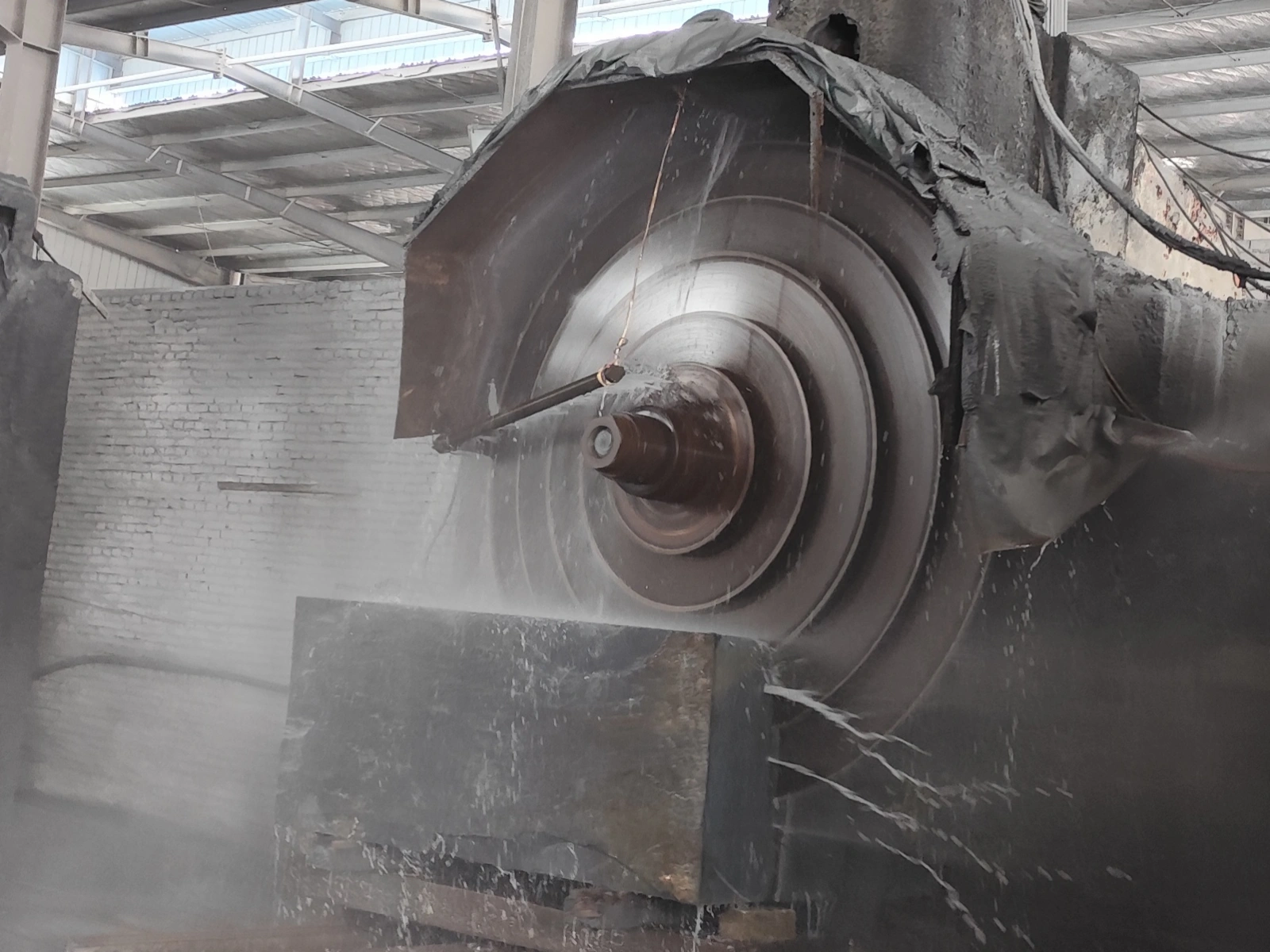
02. Block Selection
Large slate blocks are inspected and selected according to color, texture, thickness potential and internal structural quality.
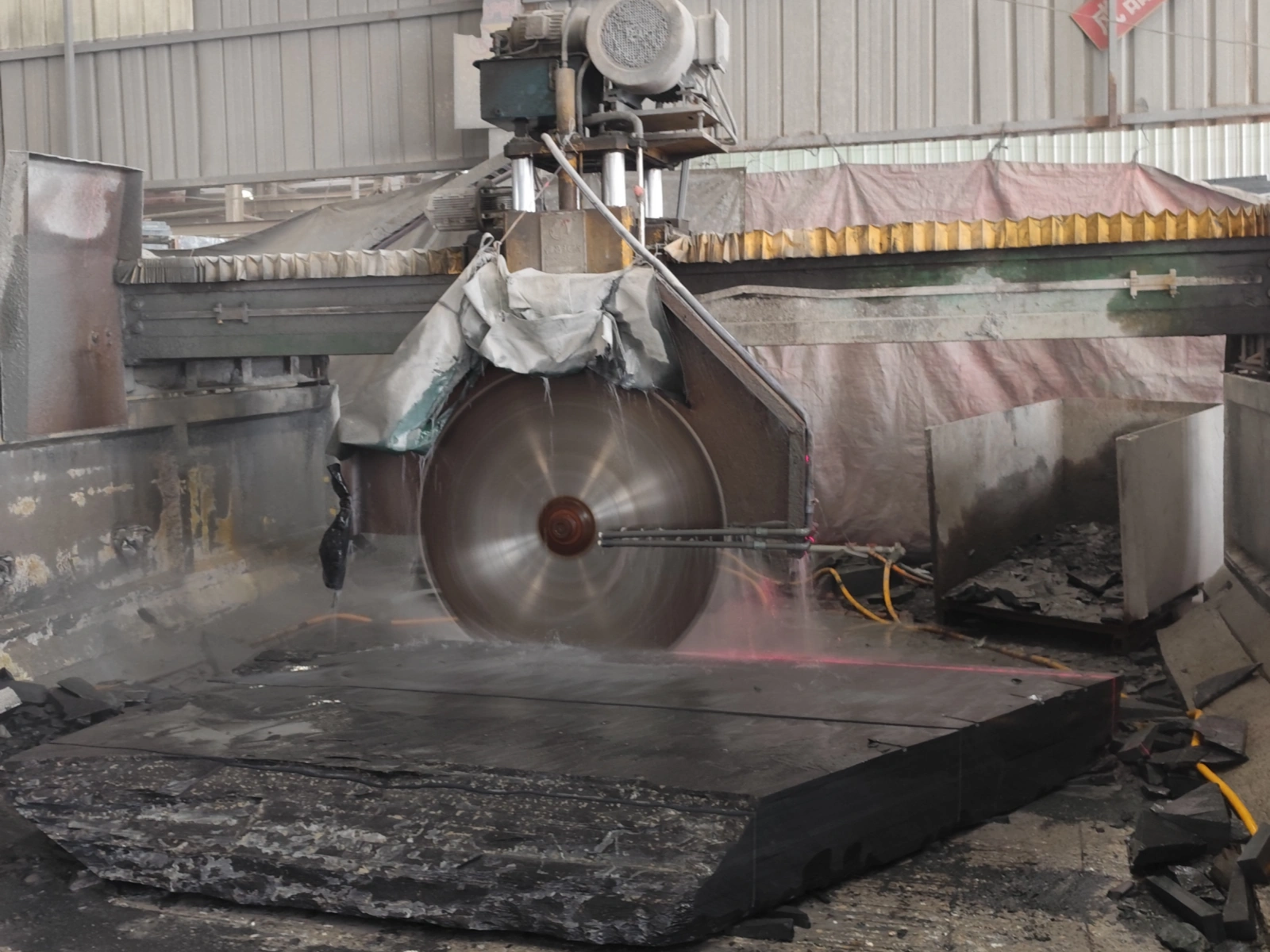
03. Cutting
Qualified blocks are cut into required slab sizes for billiard tables, pool tables and snooker tables according to customer specifications.
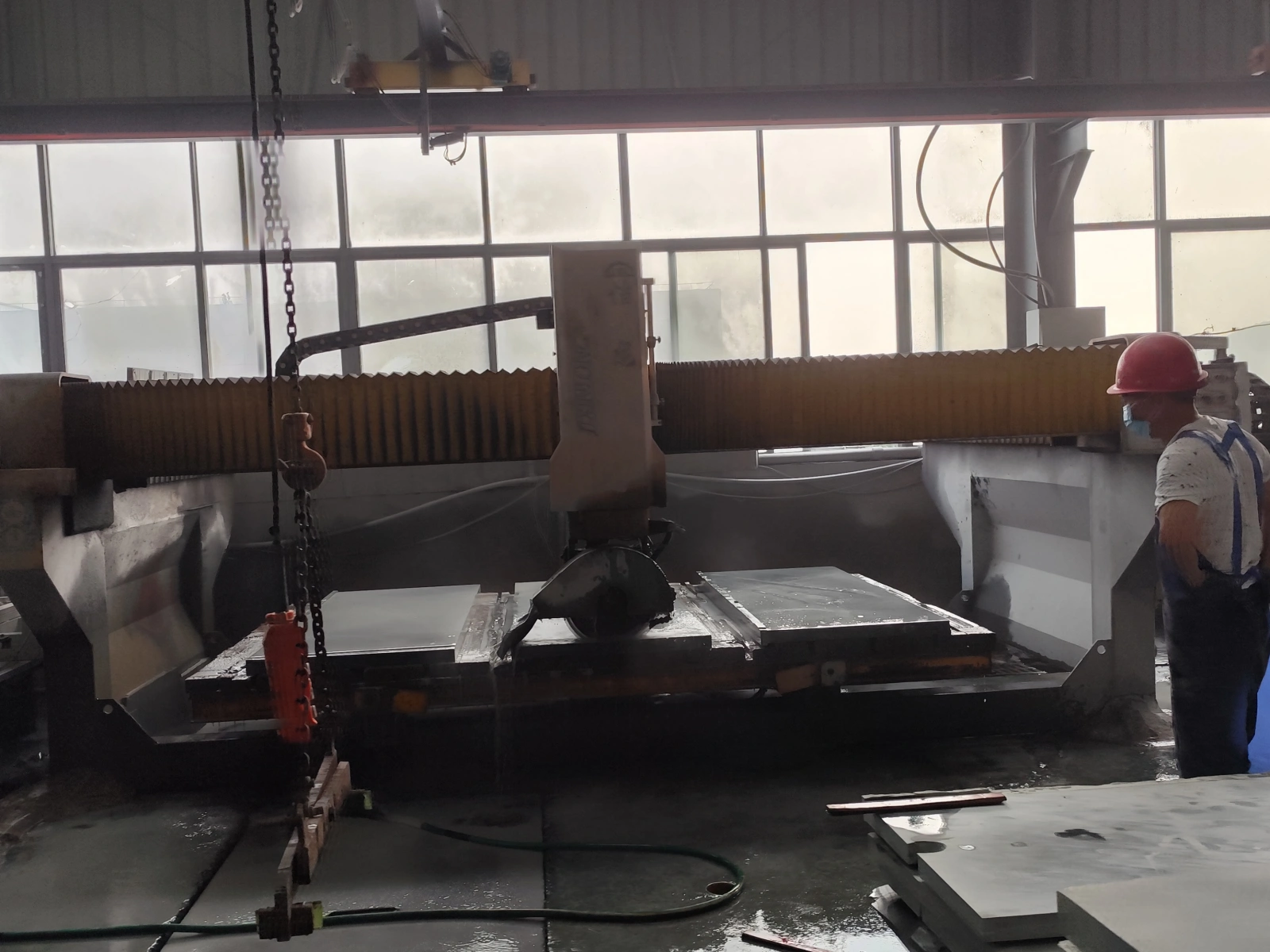
04. Rough Machining
The rough surface and edges are processed to form the basic shape, preparing the slate for high-precision grinding and finishing.
05. Precision CNC Dimension Cutting
After primary cutting, the slate slabs are processed by CNC cutting machines to achieve accurate dimensions, clean edges and consistent size for each billiard table set.
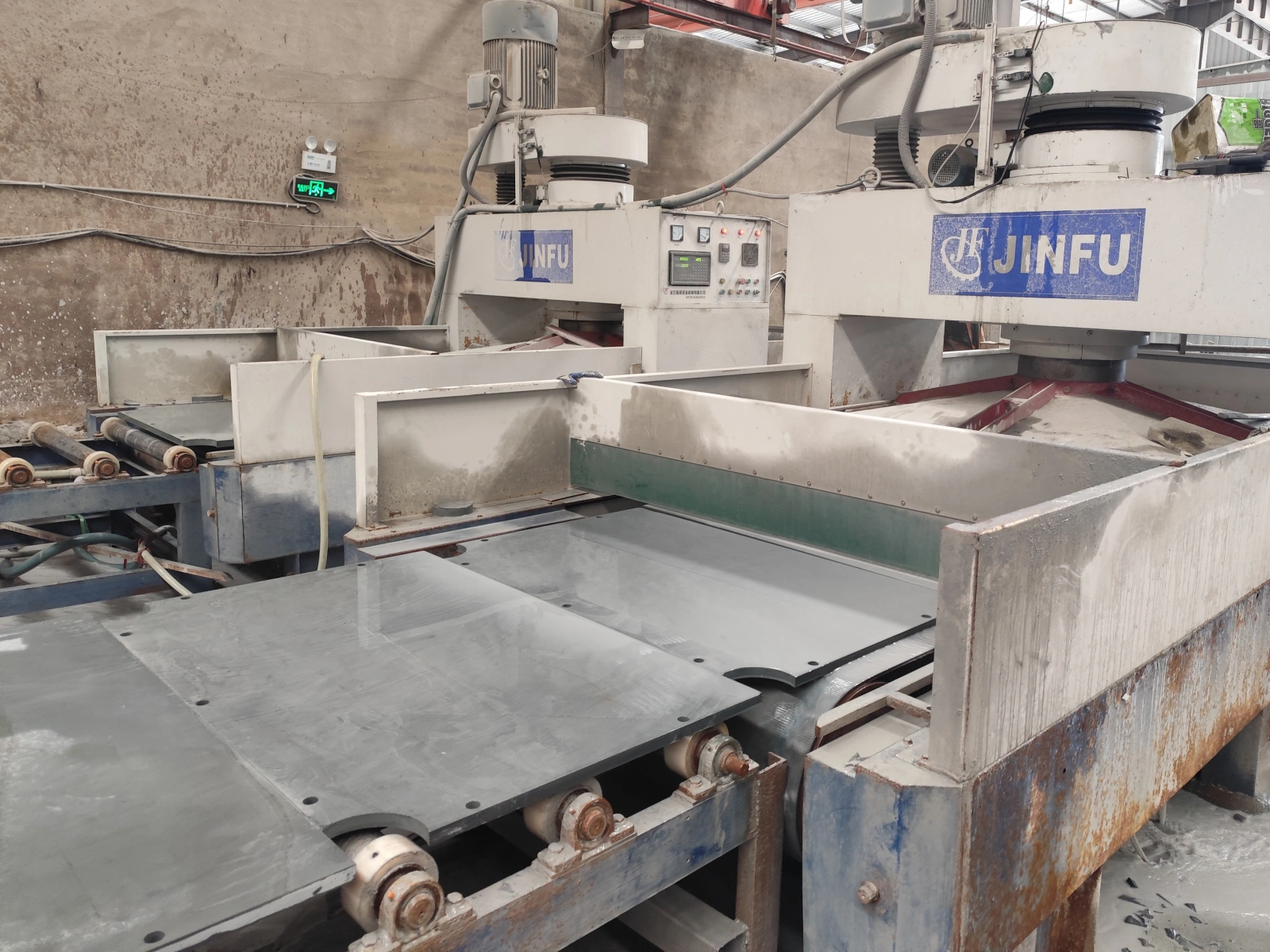
06. Precision Grinding
Precision grinding creates a smooth and flat playing surface for accurate ball roll and consistent table performance.
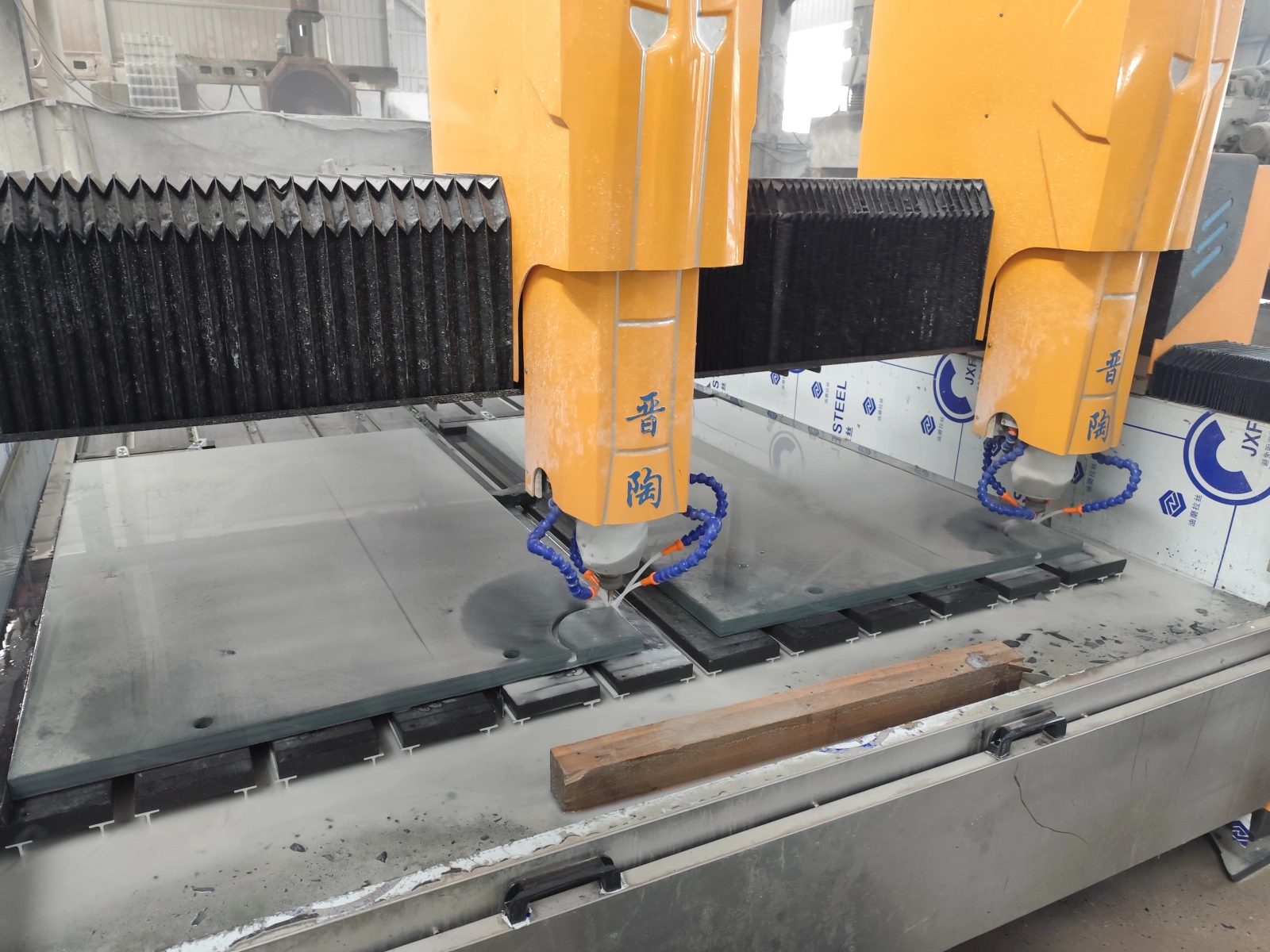
07. Drilling & Pocket Machining
Pocket openings, bolt holes and installation holes are accurately machined according to billiard table design requirements.
08. Calibration
Calibration matches each slate set for thickness, flatness and dimensional accuracy, reducing joint gaps and installation adjustments.
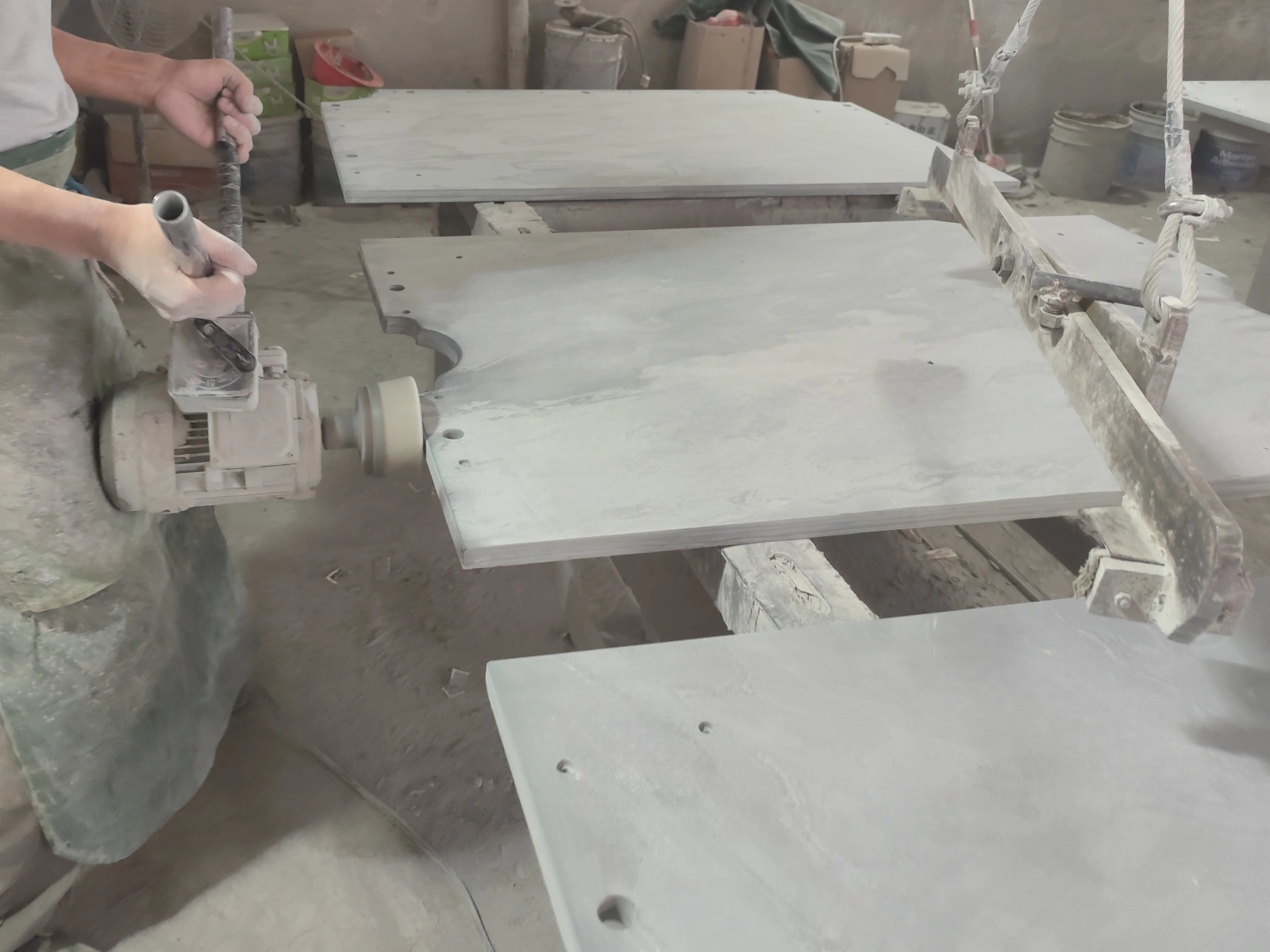
09. Final Hand Finishing
Skilled workers refine edges, holes and pocket areas to ensure smooth assembly, accurate fitting and a cleaner final finish before quality inspection.
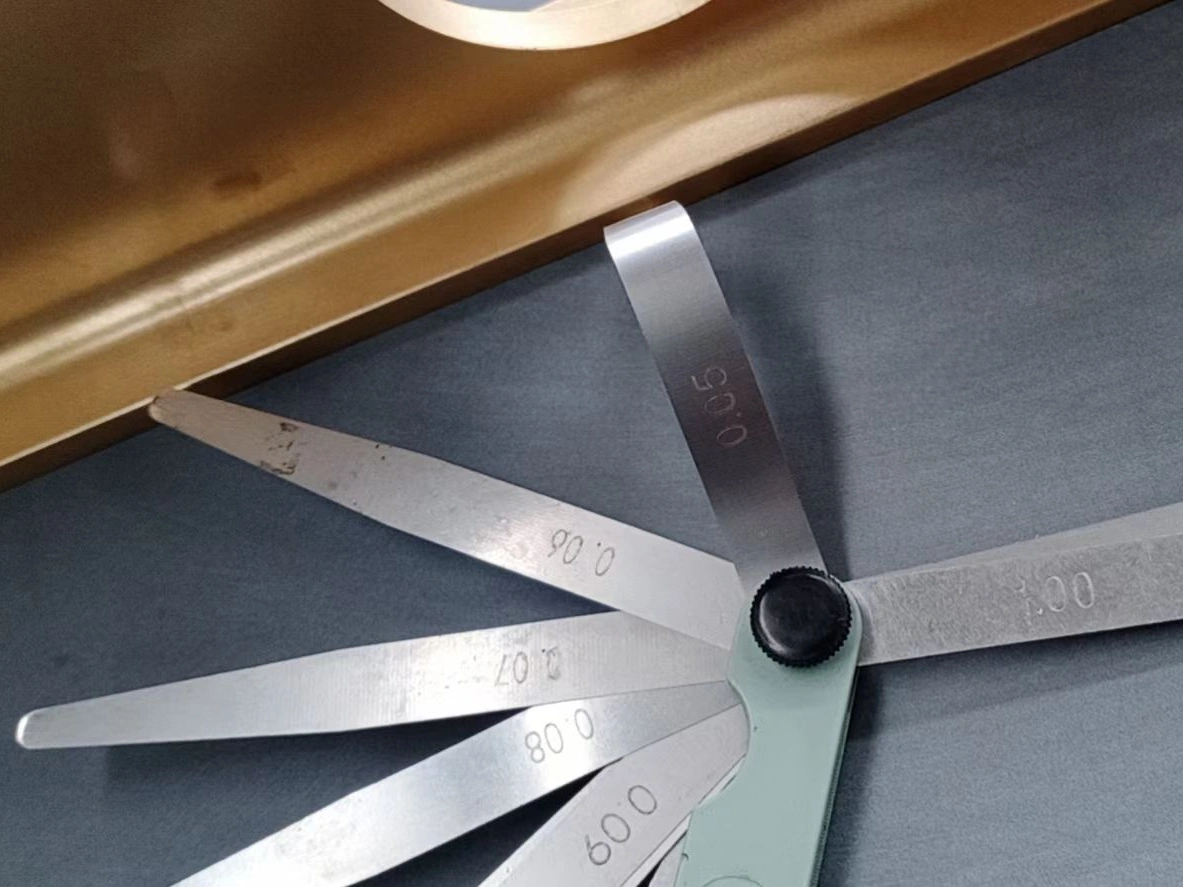
10. Quality Inspection
Flatness, thickness tolerance, hole position, edge quality and surface condition are carefully checked before packing.
11. Packaging
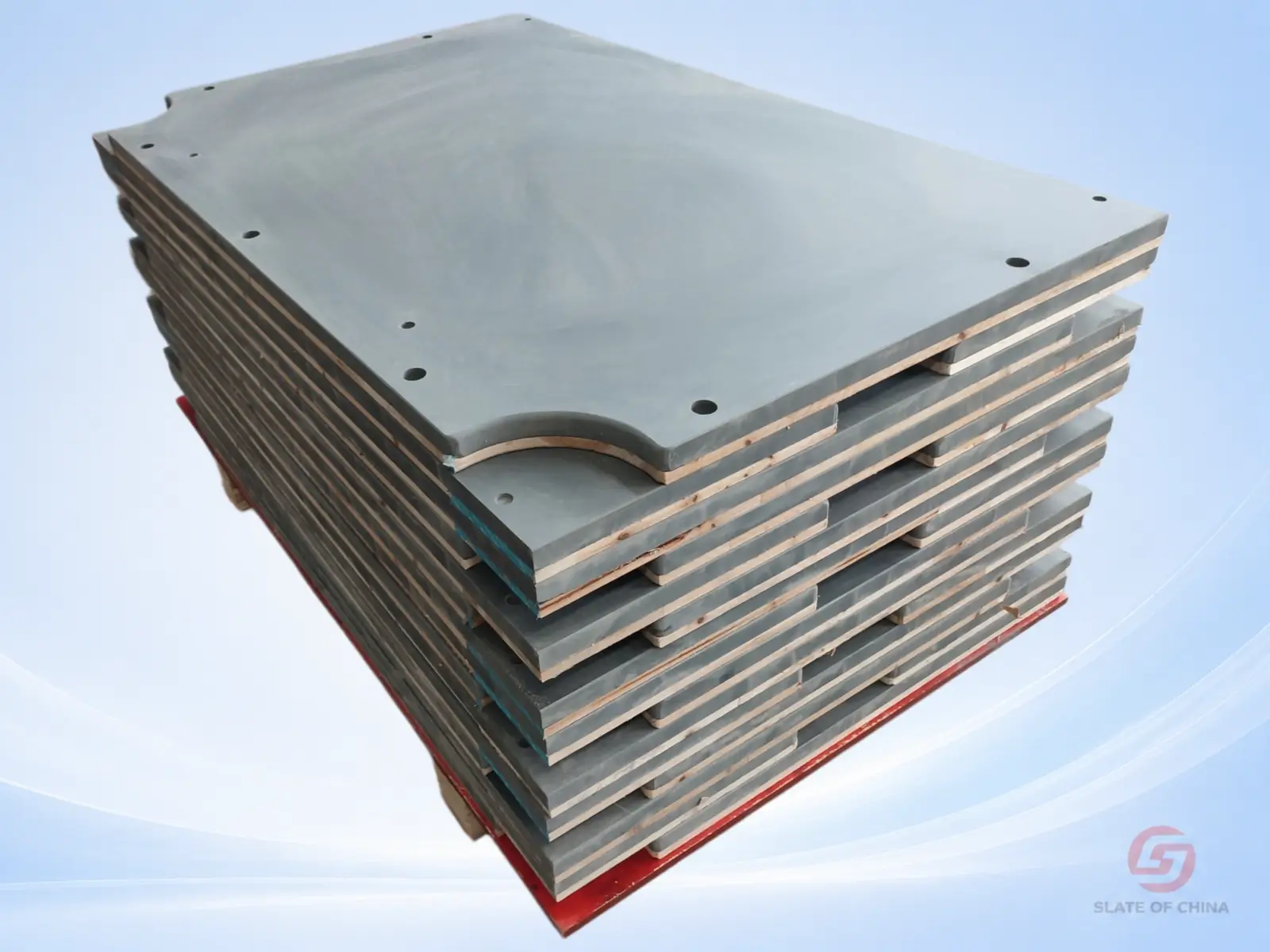
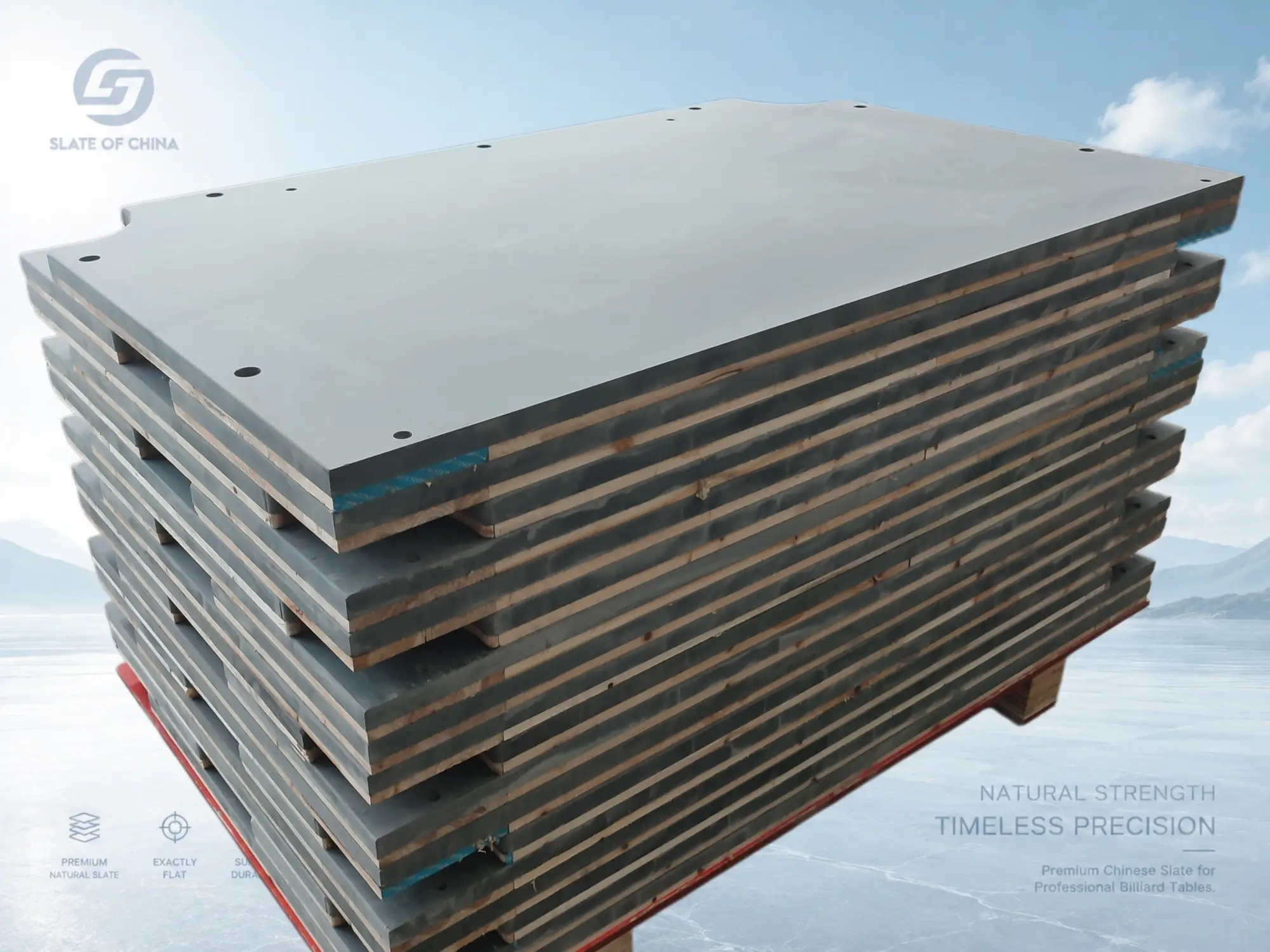
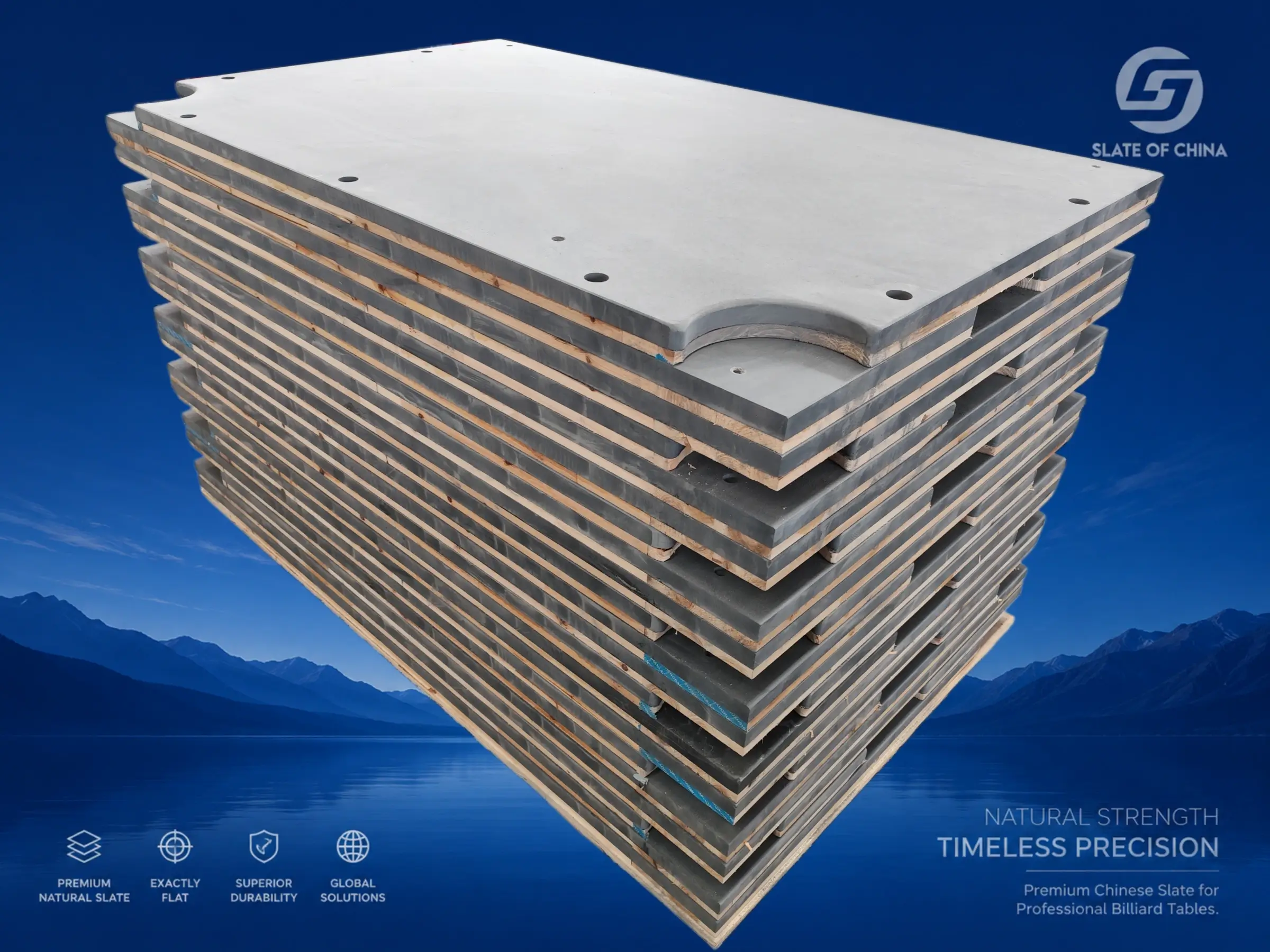
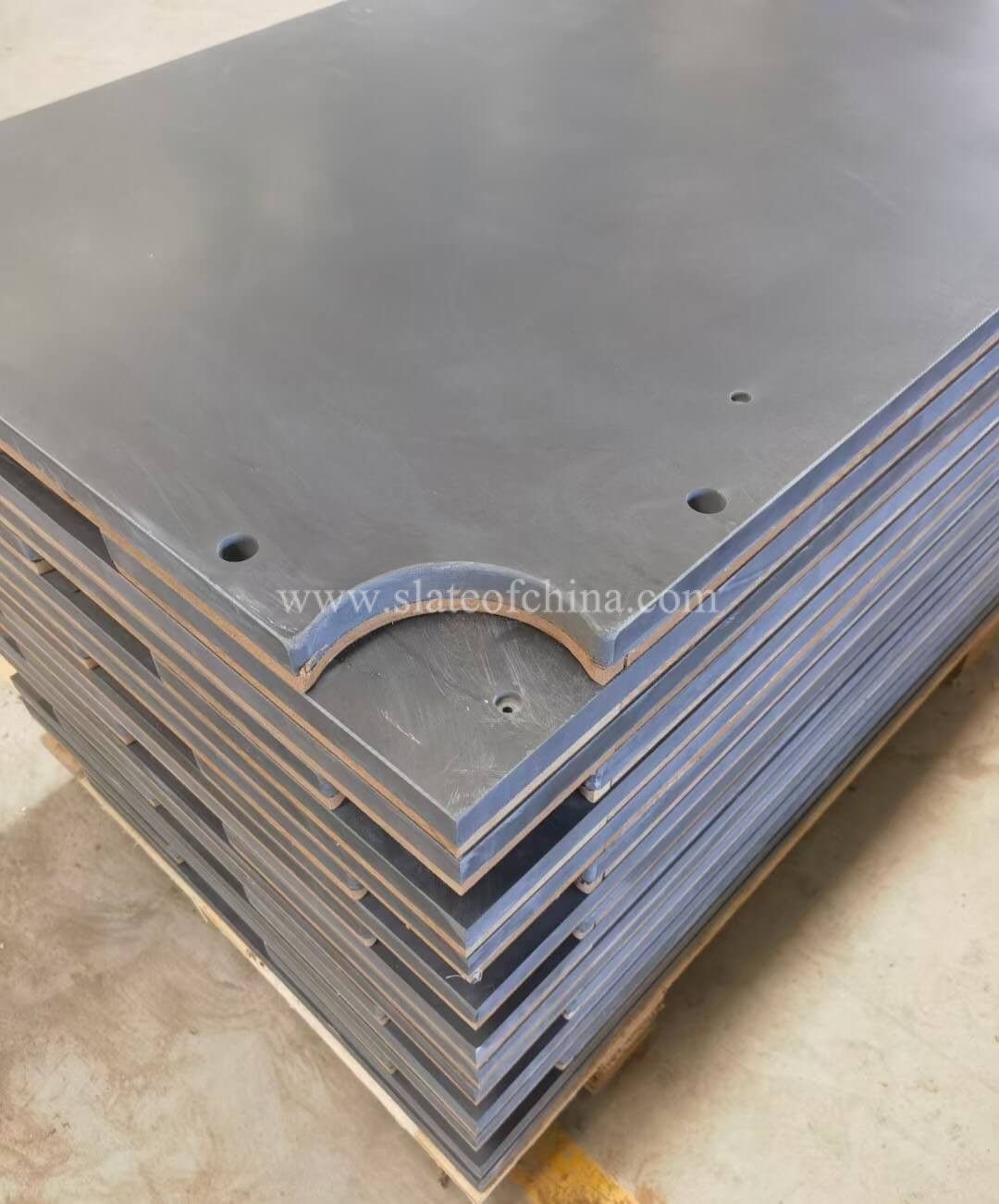
Finished billiard slates are protected with plastic film, foam, wooden crates and reinforced export packing to reduce transport damage.
12. Export Shipment
Products are securely loaded for container shipment and delivered to international customers with professional export documentation support.
Why Choose Our Pool Slate Manufacturing
Choosing the right pool slate manufacturer is not only about price. For professional pool table manufacturers, distributors, and table builders, slate quality directly affects installation efficiency, playing accuracy, long-term stability, and customer satisfaction.
At Slate of China, we combine natural slate resources, advanced CNC machining, precision grinding, experienced craftsmanship, and export packaging experience to supply reliable pool table slate for global customers.
Advanced Equipment
Our factory uses advanced stone processing equipment for CNC dimension cutting, drilling, pocket machining, precision grinding, thickness calibration, and edge finishing. This helps ensure accurate dimensions, consistent thickness, clean edges, and better slate joint alignment.
Precision Flatness Control
Flatness is one of the most important factors in pool table slate quality. Through precision surface grinding and careful inspection, we control the playing surface of each slate panel to support accurate ball roll, easier leveling, and better playing performance.
Experienced Manufacturing Team
Pool slate manufacturing requires both equipment and experience. Our skilled workers understand natural slate selection, machining control, surface finishing, multi-piece slate matching, and export packing. This helps us provide more stable and consistent slate products for professional billiard table production.
Global Export Experience
We supply billiard slate and pool table slate to customers in the USA, UK, Europe, Australia, Southeast Asia, and other markets. With export experience, we provide protective packaging, reinforced wooden crates, safe container loading, and shipping support for international customers.
Custom Manufacturing Available
We support OEM pool slate manufacturing according to customer drawings and table specifications. Custom options include different slate sizes, thicknesses, hole patterns, pocket cutouts, 1-piece slate, 3-piece slate, and special dimensions for American pool tables, English pool tables, commercial tables, and home tables.
From raw slate selection to final export shipment, every step is controlled to help customers receive accurate, stable, and installation-ready pool table slate.
Looking for a reliable pool slate manufacturer? Contact us for custom sizes, thickness options, hole patterns, and export packaging solutions.
Frequently Asked Questions About Pool Table Slate
Looking for Reliable Pool Table Slate?
Whether you need standard pool table slate, custom billiard slate, snooker slate, or OEM slate sets, Slate of China can support your production with accurate dimensions, precision grinding, custom hole patterns, and export-ready packaging.
Send us your table size, slate thickness, drawings, hole pattern, and order quantity. Our team will help you confirm the best slate solution for your market.
Get a Custom Quote Today