
Pool Slate Weight Guide
Pool table slate is the foundation of every quality billiard table. Whether you are a pool table manufacturer, distributor, installer, or buyer, understanding pool slate weight is essential for selecting the right slate, calculating shipping costs, planning installation, and ensuring long-term table performance.
The weight of a pool slate depends on several factors, including table size, slate thickness, and whether the slate is manufactured in one piece or three pieces. A heavier slate generally provides greater stability and durability, but it also affects transportation, handling, and installation requirements.
In this guide, you’ll find detailed weight charts for 7ft, 8ft, and 9ft pool table slates, along with practical information about slate thickness, shipping considerations, and installation planning. Whether you’re sourcing slate for home tables, commercial venues, or tournament-grade pool tables, this guide will help you make informed decisions.
Average Pool Slate Weight
The average weight of pool table slate varies depending on table size, slate thickness, and whether the slate is manufactured as a one-piece or three-piece set.
| Table Size | Average Weight (kg) | Average Weight (lbs) |
|---|---|---|
| 7ft Pool Table Slate | 170–210 kg | 375–463 lbs |
| 8ft Pool Table Slate | 210–260 kg | 463–573 lbs |
| 9ft Pool Table Slate | 260–320 kg | 573–705 lbs |
For accurate shipping calculations and installation planning, always refer to the specific slate size and thickness specifications provided by the manufacturer.
Note: Actual slate weight may vary depending on slate thickness, machining specifications, pocket cut design, and one-piece or three-piece construction.
Why Pool Slate Weight Matters
Understanding pool slate weight is important for:
- Calculating shipping and container loading costs
- Planning safe handling and installation
- Selecting the proper table frame and support structure
- Comparing 1-piece and 3-piece slate configurations
- Evaluating slate thickness options
- Meeting commercial and tournament table specifications
Most commercial 8ft and 9ft pool tables use 3-piece slate construction. Although the total weight remains the same, dividing the slate into three sections makes transportation, handling, and installation significantly easier.
A clear understanding of slate weight helps manufacturers, distributors, and installers avoid costly mistakes while ensuring optimal playing performance.
What Is the Average Weight of Pool Table Slate?
The average weight of pool table slate depends on the table size, slate thickness, and construction type. Most commercial pool tables use precision-machined natural slate, with larger tables requiring heavier slate sections to ensure stability and consistent ball roll.
The table below shows the typical weight range for standard pool table slates used in the billiards industry.
| Table Size | Typical Slate Thickness | Approximate Weight |
|---|---|---|
| 7ft Pool Table Slate | 19mm (3/4″) | 130–140 kg (287–309 lbs) |
| 8ft Pool Table Slate | 25mm (1″) | 210–220 kg (463–485 lbs) |
| 9ft Pool Table Slate | 25mm (1″) | 260–270 kg (573–595 lbs) |
For most manufacturers and distributors, 8ft and 9ft pool tables are commonly supplied with 25mm (1″) three-piece slate, while 7ft tables may use either 19mm or 25mm slate depending on the table design and market requirements.
What Affects Pool Slate Weight?
The actual weight of a pool table slate can vary depending on several factors:
- Slate Thickness – Thicker slate weighs more and provides greater stability.
- Table Size – Larger playing surfaces require larger and heavier slate sections.
- Slate Density – Natural slate from different quarries may have slight density variations.
- Pocket Cut Design – Corner and side pocket machining can affect the final weight.
- One-Piece or Three-Piece Construction – Total weight is similar, but individual section weights differ significantly.
- Machining Specifications – Backing, screw holes, dowel holes, and precision finishing can slightly change the final weight.
Why Weight Matters
Knowing the weight of your pool slate helps you:
- Calculate shipping and freight costs accurately
- Plan installation and handling requirements
- Select the proper table frame and support system
- Compare slate options for home, commercial, and tournament tables
- Estimate container loading quantities for export orders
For professional pool tables, choosing the correct slate weight is just as important as selecting the right slate thickness and machining quality.
Quick Tip: Most tournament-quality 8ft and 9ft pool tables use 25mm (1″) three-piece slate weighing approximately 210–270 kg (463–595 lbs) per set. This configuration provides the best balance between performance, transportation efficiency, and installation convenience.

Pool Slate Weight Chart by Table Size
Choosing the correct slate weight is important for transportation planning, table design, installation, and overall playing performance. The weight of a pool table slate varies according to table size, slate thickness, and whether the slate is manufactured as a one-piece or three-piece set.
The following charts provide a general reference for the weight of 7ft, 8ft, and 9ft pool table slates. Actual weight may vary slightly depending on machining specifications, pocket cut design, and slate density.
7ft Pool Table Slate Weight
A 7ft pool table is commonly used in homes, bars, clubs, and coin-operated tables. Most 7ft tables use either 19mm (3/4″) or 25mm (1″) slate, depending on the desired balance between performance and overall table weight.
| Slate Thickness | 1-Piece Slate | 3-Piece Slate |
|---|---|---|
| 19mm (3/4″) | 130 kg | 130 kg |
| 25mm (1″) | 170 kg | 170 kg |
Typical Applications
- Home pool tables
- Coin-operated pool tables
- Bar and club tables
- Recreational billiard tables
8ft Pool Table Slate Weight
The 8ft pool table is one of the most popular sizes for residential and commercial use. Three-piece slate construction is widely preferred because it simplifies transportation and installation while maintaining excellent playing performance.
| Slate Thickness | 1-Piece Slate | 3-Piece Slate |
|---|---|---|
| 19mm (3/4″) | 160 kg | 160 kg |
| 25mm (1″) | 210 kg | 210 kg |
Typical Applications
- Residential pool tables
- Commercial game rooms
- Sports clubs
- Entertainment venues
9ft Pool Table Slate Weight
The 9ft pool table is the professional tournament standard. Most professional and competition tables use precision-machined 25mm or 30mm slate to ensure maximum stability and consistent ball roll.
| Slate Thickness | 1-Piece Slate | 3-Piece Slate |
|---|---|---|
| 25mm (1″) | 270 kg | 270 kg |
| 30mm (1-1/4″) | 320 kg | 320 kg |
Typical Applications
- Tournament pool tables
- Professional training facilities
- Pool halls
- Championship competitions
Why Choose a 3-Piece Pool Slate?
Although the total weight of a one-piece slate and a three-piece slate is usually similar, three-piece construction offers several practical advantages:
- Easier transportation and handling
- Lower risk of damage during shipping
- Simplified installation in confined spaces
- More economical international freight
- Preferred by most commercial and tournament table manufacturers
For these reasons, three-piece slate has become the industry standard for most 8ft and 9ft pool tables worldwide.
Important Note
The weights shown above are intended as a general reference. Actual pool slate weight may vary depending on:
- Slate thickness
- Precision machining requirements
- Pocket cut design
- Screw hole configuration
- Slate density
- One-piece or three-piece construction
For exact shipping weight and packaging specifications, always request detailed technical data from the slate manufacturer.
1-Piece vs 3-Piece Pool Slate Weight
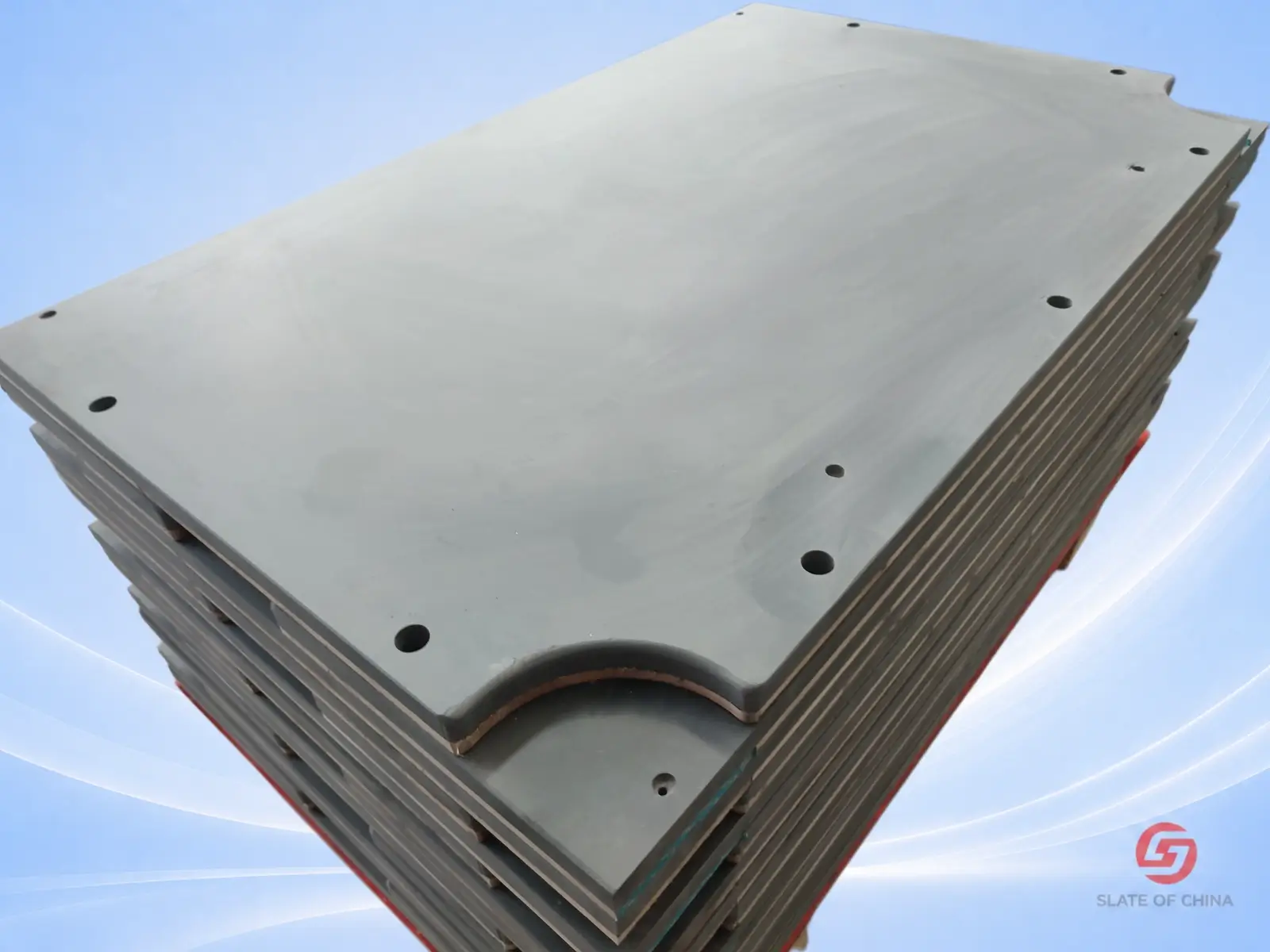
One of the most common questions from pool table manufacturers and buyers is whether a 1-piece slate weighs less than a 3-piece slate.
The answer is simple: the total weight is usually very similar. The main difference lies in transportation, handling, installation, and logistics efficiency.
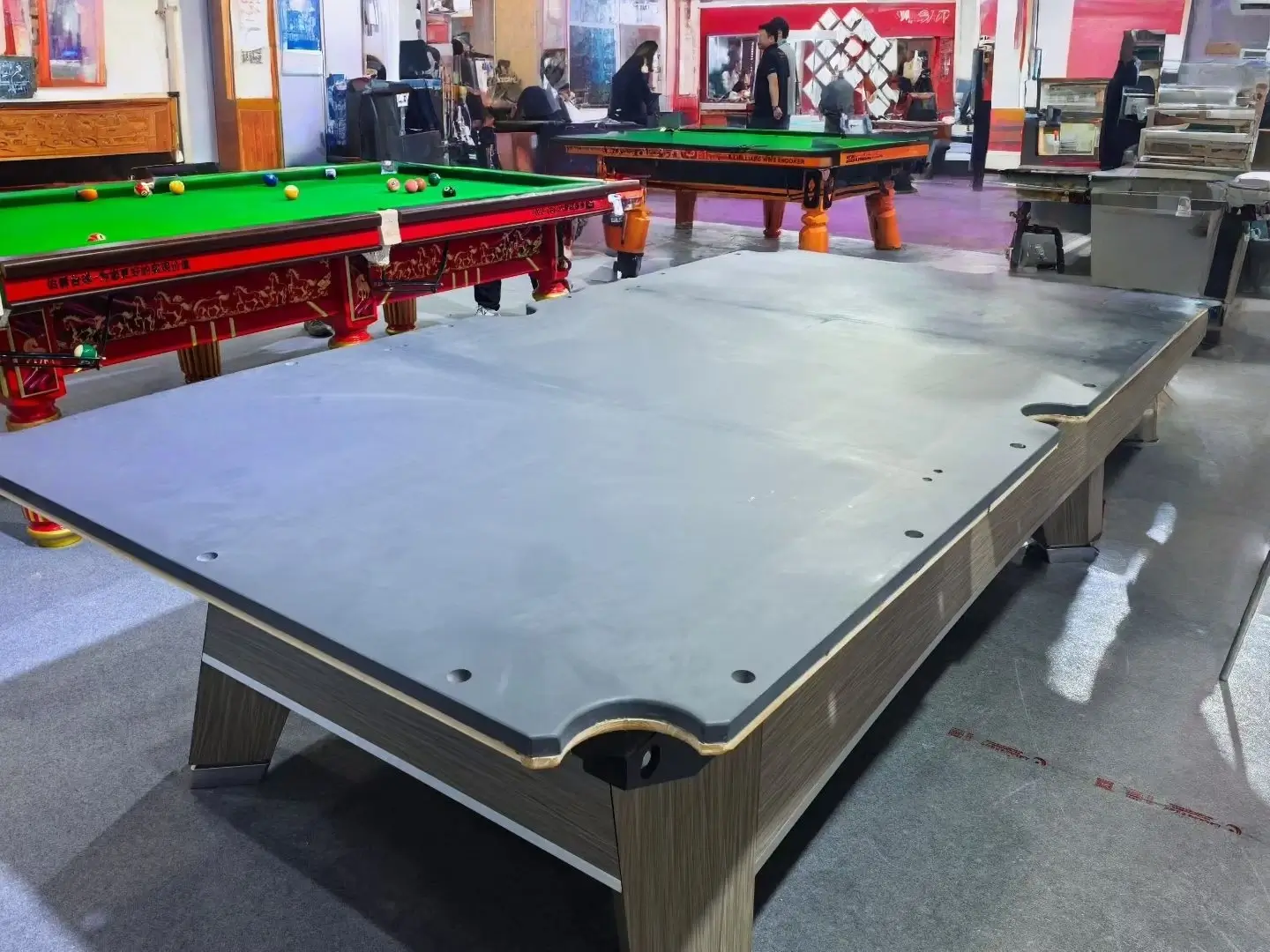
A three-piece slate divides the total weight into smaller sections, making it easier to move, ship, and install while maintaining the same playing performance as a one-piece slate.
1-Piece vs 3-Piece Pool Slate Comparison
| Feature | 1-Piece Slate | 3-Piece Slate |
|---|---|---|
| Total Weight | Similar | Similar |
| Individual Section Weight | Heavier | Lighter |
| Handling | More Difficult | Easier |
| Transportation | More Expensive | More Economical |
| Installation Speed | Faster | Requires Leveling |
| Access Through Doorways & Stairs | Limited | Easier |
| International Shipping | Less Common | Industry Standard |
| Popular Market | US Coin-Op Tables, Home Tables | Commercial & Tournament Tables |
Why Most Commercial Tables Use 3-Piece Slate
Although the total weight remains nearly the same, dividing the slate into three sections significantly improves transportation and installation efficiency.
For example:
A 9ft three-piece pool slate weighing 270 kg (595 lbs) in total may consist of three sections weighing approximately 90 kg (198 lbs) each.
This makes loading, unloading, carrying, and installation much easier compared with moving a single 270 kg slate slab.
As a result, three-piece slate has become the preferred choice for:
- Commercial pool tables
- Tournament pool tables
- Pool halls and clubs
- International export shipments
- Professional table manufacturers
Advantages of 1-Piece Slate
One-piece slate is still widely used in certain applications because it offers:
- Faster installation
- No slate seam alignment
- Simplified leveling process
- Good suitability for coin-operated pool tables
- Lower assembly labor requirements
For this reason, one-piece slate remains popular in some US bar tables and coin-operated pool tables.
Which Pool Slate Is Better?
There is no universal answer. The best choice depends on the intended application.
Choose 1-Piece Slate If:
- Installation access is unrestricted
- The table will rarely be moved
- Fast assembly is important
- Coin-operated table construction is required
Choose 3-Piece Slate If:
- The table will be exported internationally
- Transportation efficiency is important
- Stairways, elevators, or narrow entrances are involved
- Commercial or tournament-grade performance is required
For most modern commercial and professional pool tables, 3-piece slate is the preferred industry standard because it provides the best balance between performance, transportation efficiency, and installation practicality.
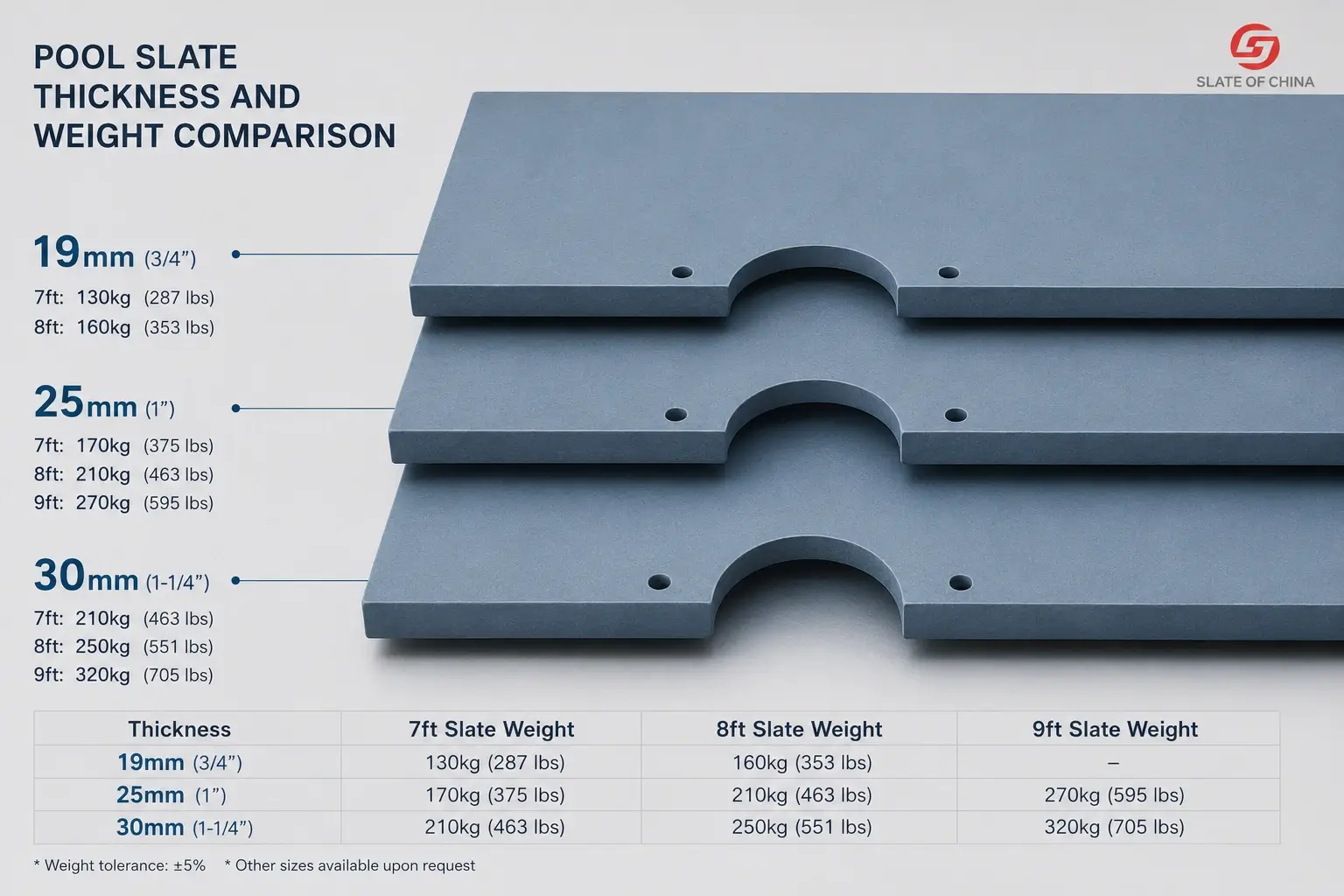
How Slate Thickness Affects Weight
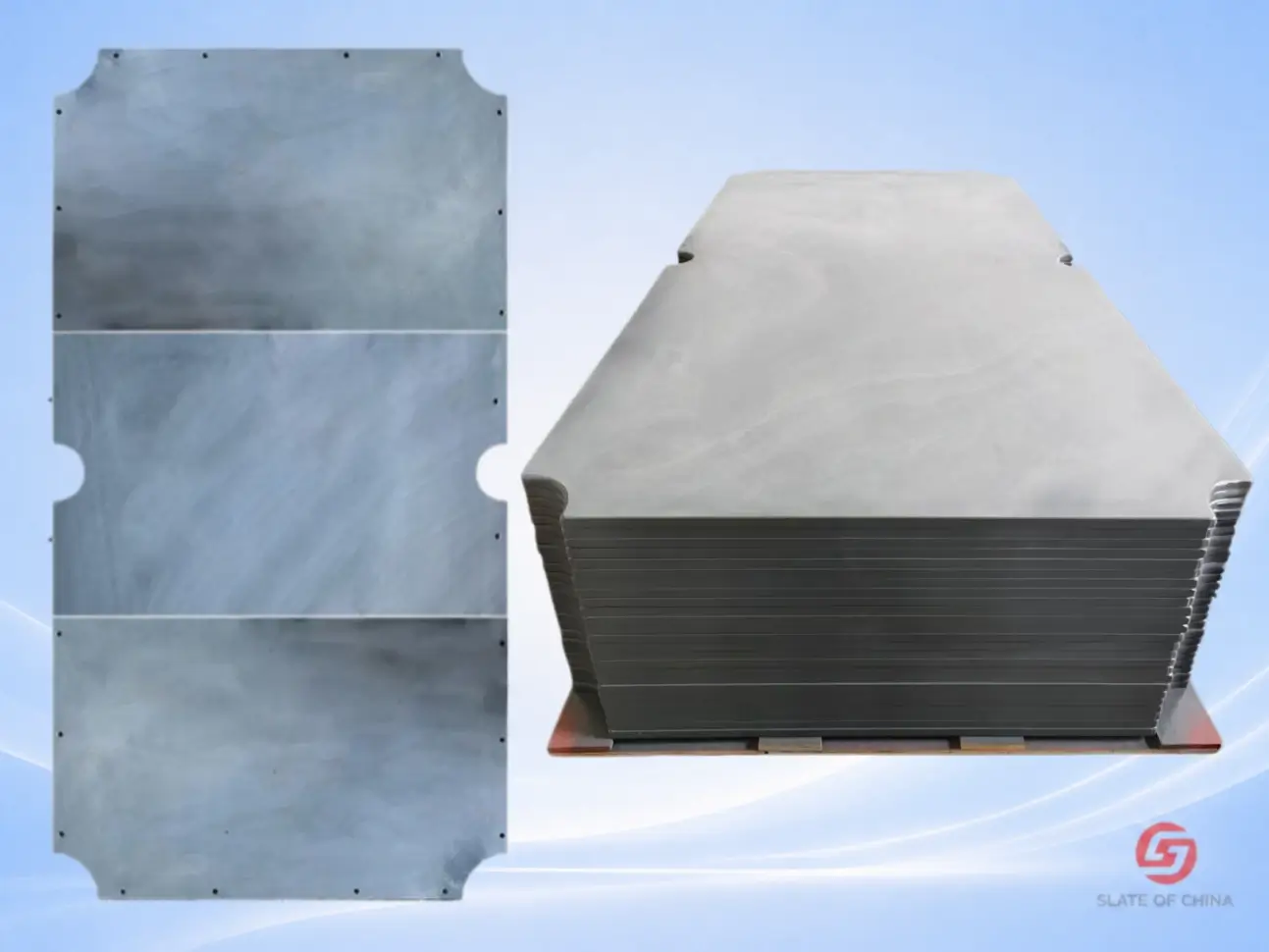
Slate thickness is one of the most important factors affecting pool table slate weight. As slate thickness increases, the total weight of the slate also increases, resulting in improved stability and durability but higher transportation and installation requirements.
For pool table manufacturers, distributors, and installers, selecting the appropriate slate thickness involves balancing performance, handling, and shipping costs.
Slate Thickness and Relative Weight
| Slate Thickness | Relative Weight |
|---|---|
| 19mm (3/4″) | Light |
| 25mm (1″) | Standard |
| 30mm (1-1/4″) | Heavy Duty |
In general, thicker slate provides greater structural strength and resistance to flexing, making it suitable for high-performance and commercial applications.
Benefits of Thicker Pool Slate
Increasing slate thickness can improve several aspects of pool table performance:
Improved Stability
A thicker slate provides a more rigid playing surface, helping maintain consistent ball roll and minimizing the effects of minor frame movement over time.
Greater Durability
Thicker slate is generally more resistant to stress during transportation, installation, and long-term use, making it a preferred choice for commercial environments.
Better Tournament-Level Playability
Professional and tournament pool tables commonly use 25mm (1″) or thicker slate because it offers superior support and long-term playing consistency.
Considerations of Heavier Slate
While thicker slate offers performance advantages, it also increases the overall weight of the table.
This can lead to:
- Higher shipping and freight costs
- Increased handling requirements
- More challenging installation
- Greater load requirements for the table frame
- Additional labor during transportation and setup
For international shipments, even a small increase in slate thickness can significantly affect total shipment weight and logistics costs.
Choosing the Right Slate Thickness
The best slate thickness depends on the intended application.
19mm (3/4″) Slate
Recommended for:
- Home pool tables
- Coin-operated tables
- Budget-conscious projects
- Applications where lighter weight is preferred
25mm (1″) Slate
Recommended for:
- Most commercial pool tables
- Residential premium tables
- Pool clubs and recreation centers
- General-purpose professional play
30mm (1-1/4″) Slate
Recommended for:
- High-end commercial tables
- Tournament-grade installations
- Luxury custom pool tables
- Projects prioritizing maximum stability
Learn More About Pool Slate Thickness
While slate weight is important for shipping and installation planning, thickness directly affects playing performance and structural stability.
For a more detailed explanation of slate thickness standards, applications, and recommendations, see our Pool Slate Thickness Guide.
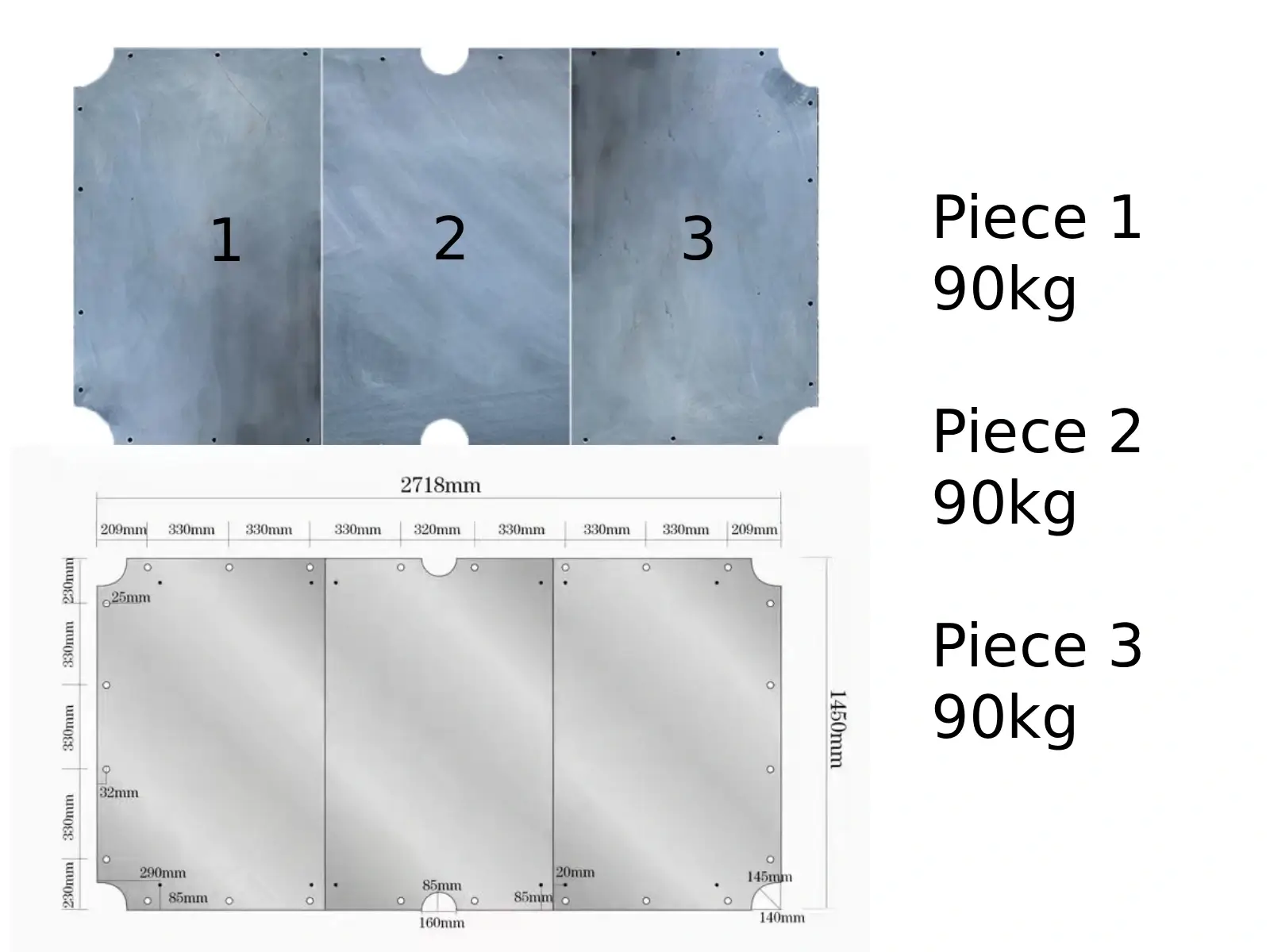
How Heavy Is Each Piece of a 3-Piece Pool Slate?
Many buyers focus on the total weight of a pool table slate, but installers are often more concerned about the weight of each individual slate section.
Because a three-piece slate divides the playing surface into three separate sections, each piece is significantly easier to transport, carry, and install than a single-piece slate of the same overall weight.
The following examples illustrate the typical weight distribution of a 3-piece pool slate.
7ft 3-Piece Pool Slate Weight Per Section
| Slate Section | Approximate Weight |
|---|---|
| Piece 1 | 57 kg |
| Piece 2 | 57 kg |
| Piece 3 | 57 kg |
Typical Total Weight: 171 kg
A 7ft three-piece slate is generally manageable for residential installations and recreational pool tables. The divided construction simplifies handling through standard doorways and staircases.
8ft 3-Piece Pool Slate Weight Per Section
| Slate Section | Approximate Weight |
|---|---|
| Piece 1 | 70 kg |
| Piece 2 | 70 kg |
| Piece 3 | 70 kg |
Typical Total Weight: 210 kg
The 8ft pool table is one of the most popular table sizes worldwide. Three-piece slate construction helps reduce handling difficulty while maintaining excellent playing performance.
9ft 3-Piece Pool Slate Weight Per Section
| Slate Section | Approximate Weight |
|---|---|
| Piece 1 | 90 kg |
| Piece 2 | 90 kg |
| Piece 3 | 90 kg |
Typical Total Weight: 270 kg
Professional 9ft tournament tables typically use heavier slate. Dividing the slate into three sections greatly improves transportation efficiency and installation safety.
Why Piece Weight Matters More Than Total Weight
When planning installation, the weight of each slate section is often more important than the total slate weight.
For example:
A 9ft pool slate weighing 270 kg (595 lbs) in total may be divided into three sections weighing approximately 90 kg (198 lbs) each.
Although the total weight remains the same, handling three smaller sections is far easier than moving one large 270 kg slab.
This is particularly important when:
- Carrying slate upstairs
- Moving through narrow hallways
- Using elevators
- Installing tables in basements
- Delivering tables to residential locations
Safe Handling Recommendations
Pool slate is extremely strong in compression but can be damaged if dropped or improperly supported during handling.
For safe transportation and installation, most professional installers recommend:
- At least two people for handling each slate section
- Protective packaging during transportation
- Proper lifting equipment for large commercial installations
- Keeping the slate supported evenly during movement
- Avoiding impacts on pocket openings and machined edges
For heavier 9ft and tournament-grade slates, additional manpower or lifting equipment may be required.
Why Most Manufacturers Prefer 3-Piece Slate
Three-piece slate has become the industry standard for most commercial and professional pool tables because it offers:
- Easier transportation
- Reduced installation risk
- Better access through buildings
- Lower shipping costs
- Greater flexibility for international export
As a result, the majority of modern 8ft and 9ft pool tables worldwide are manufactured using precision-machined 3-piece slate.
Pool Slate Shipping Weight and Export Considerations
When importing pool table slate, understanding shipping weight and packaging requirements is essential for controlling freight costs and ensuring safe delivery.
Because slate is a dense natural stone product, transportation planning is often just as important as slate quality. Buyers should consider container loading capacity, packaging methods, destination regulations, and total shipment weight before placing an order.
Container Loading Capacity
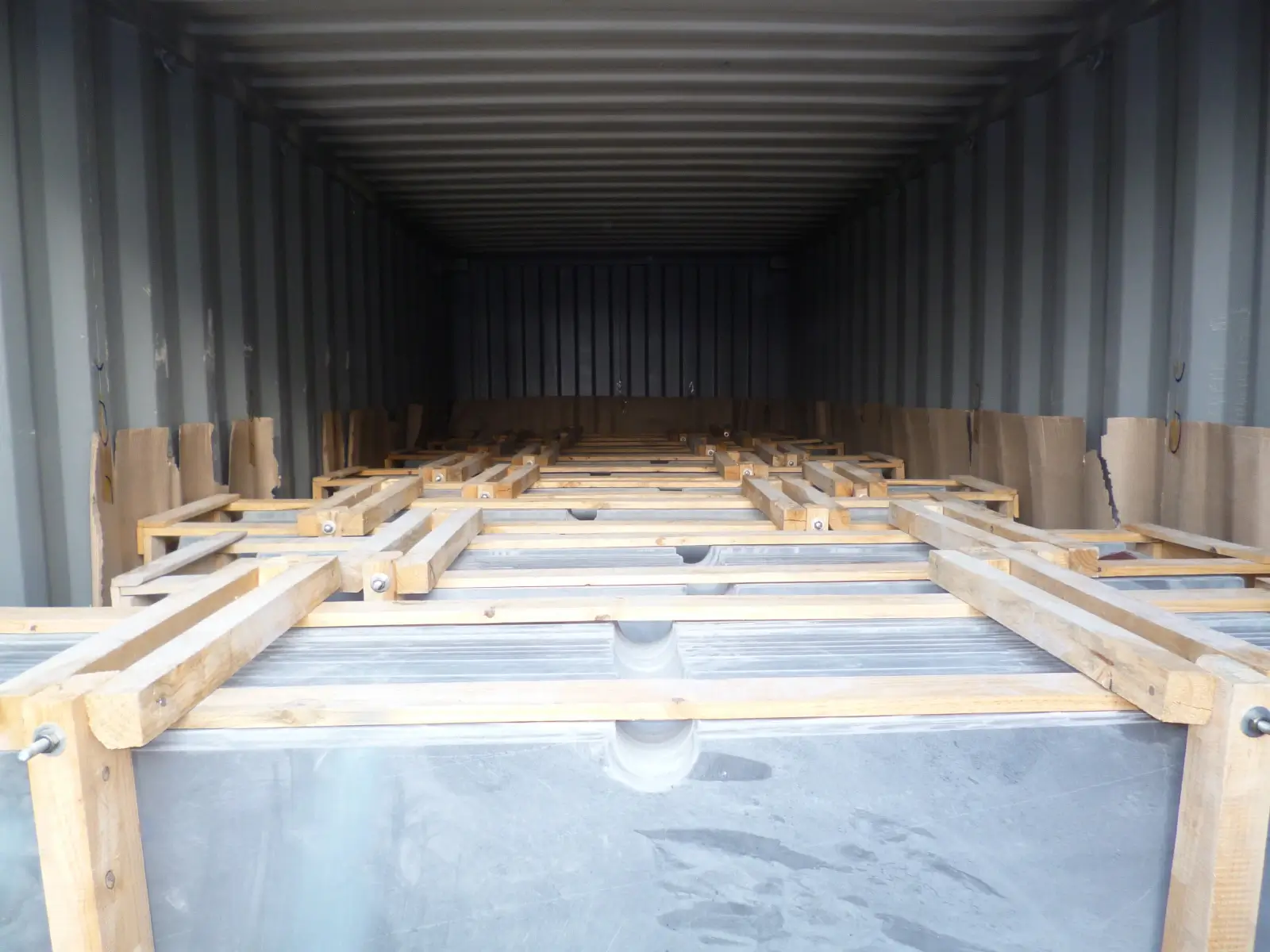
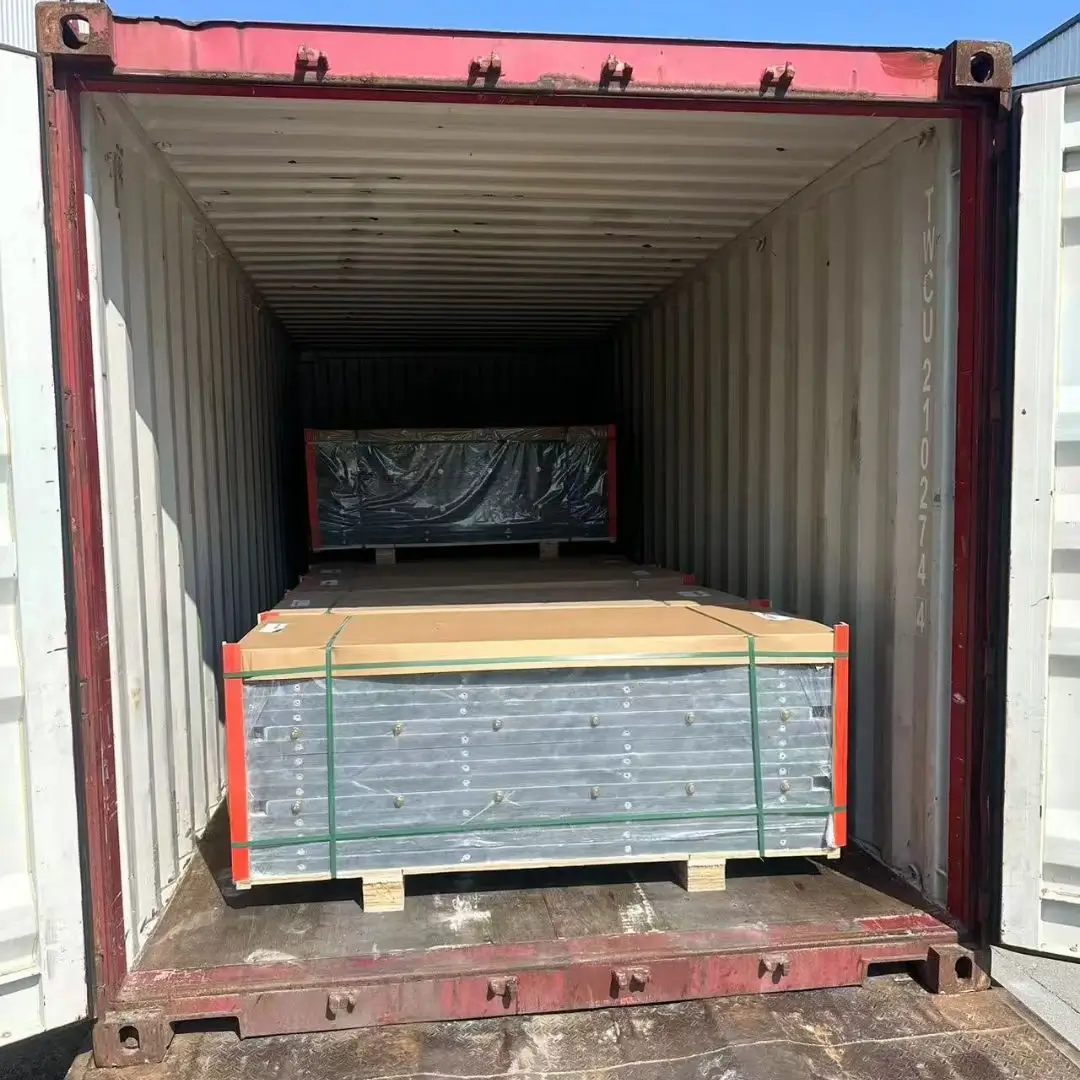
Pool slate is typically shipped in 20GP containers due to weight limitations.
A standard 20GP container generally offers sufficient volume for slate shipments, but the allowable payload often becomes the limiting factor before space is fully utilized.
Typical 20GP Container Loading (27 tons)
| Pool Slate Size | Typical Loading Quantity* |
|---|---|
| 7ft 19mm Slate | 210 sets |
| 8ft 25mm Slate | 125 sets |
| 9ft 25mm Slate | 100 sets |
* Actual loading quantity depends on slate thickness, packaging type, and destination weight restrictions.
For most export shipments, container weight calculations should be confirmed before loading to avoid exceeding carrier or port limitations.
Gross Weight Limit Considerations
Pool slate shipments are usually constrained by weight rather than container volume.
Key factors include:
- Slate thickness
- Table size
- Packaging materials
- Destination country regulations
- Local road transportation restrictions
Many countries impose maximum gross vehicle weight limits that may affect inland transportation after the container arrives.
For this reason, experienced slate suppliers often optimize packaging and loading plans to maximize container utilization while remaining within legal weight limits.
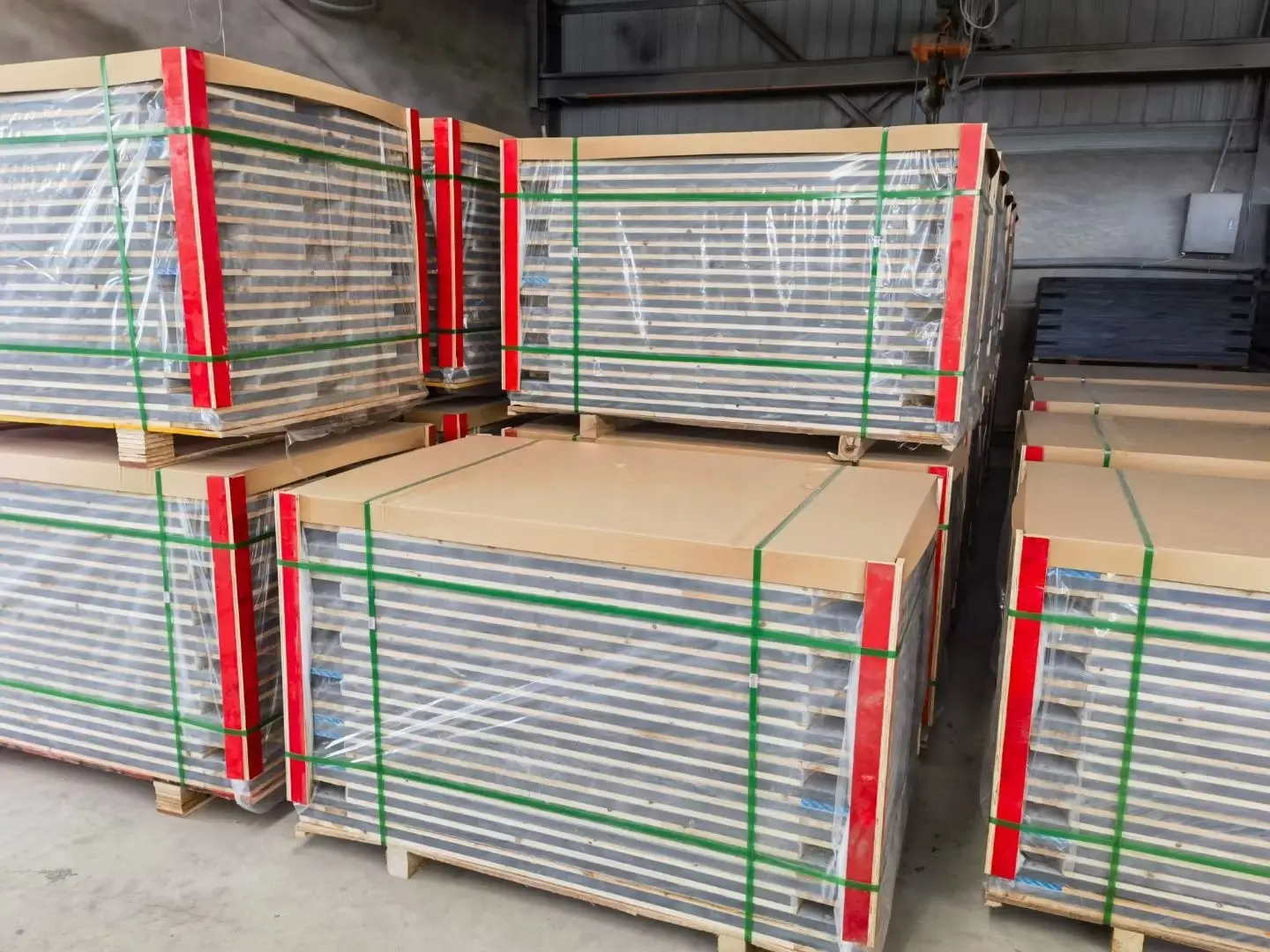
Packaging Options for Pool Slate Export
Proper packaging is critical because slate is a precision-machined stone product.
The packaging must protect:
- Machined surfaces
- Pocket openings
- Screw holes
- Slate edges
- Corner sections
Wooden Crate Packaging
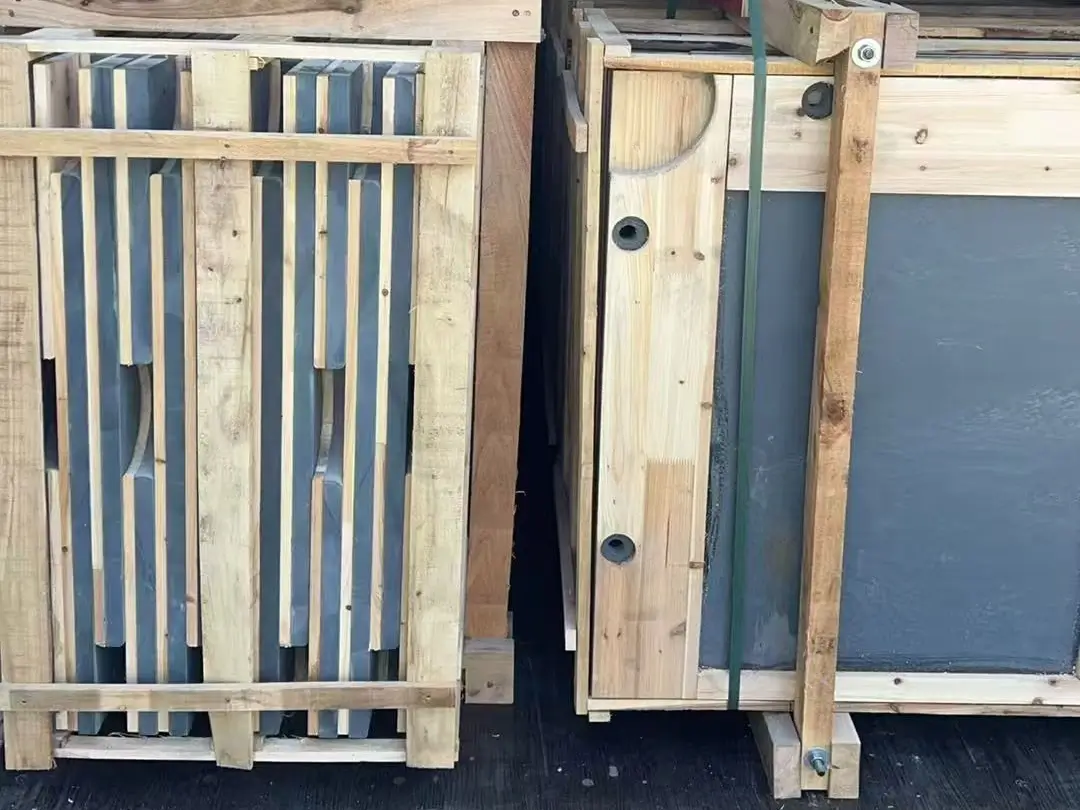
Wooden crates remain the most common export packaging solution.
Advantages include:
- Excellent protection
- Cost-effective packaging
- Easy handling with forklifts
- Suitable for LCL and FCL shipments
Recommended for:
- Most international pool table manufacturers
- Distributors and wholesalers
- Standard ocean freight shipments
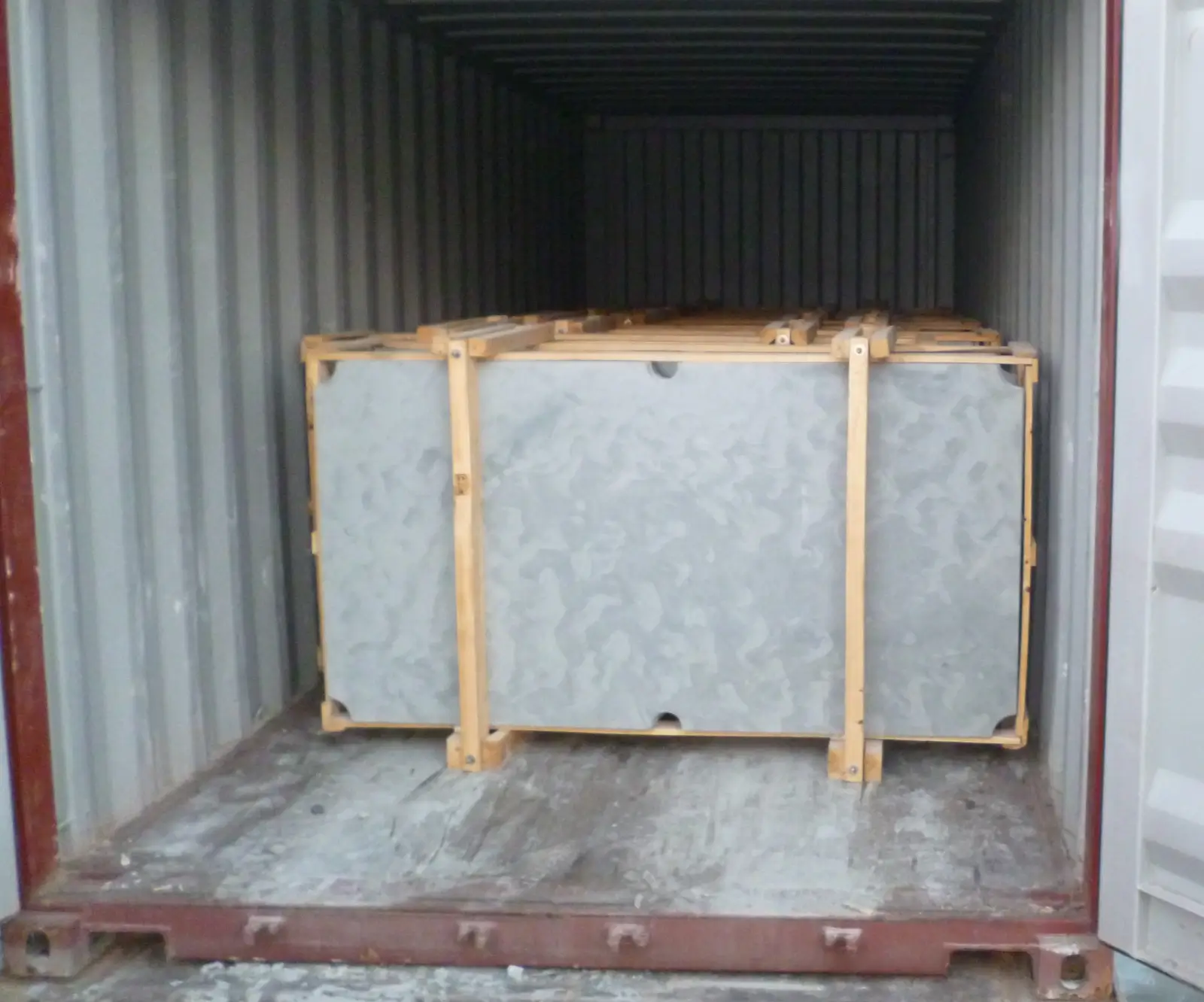
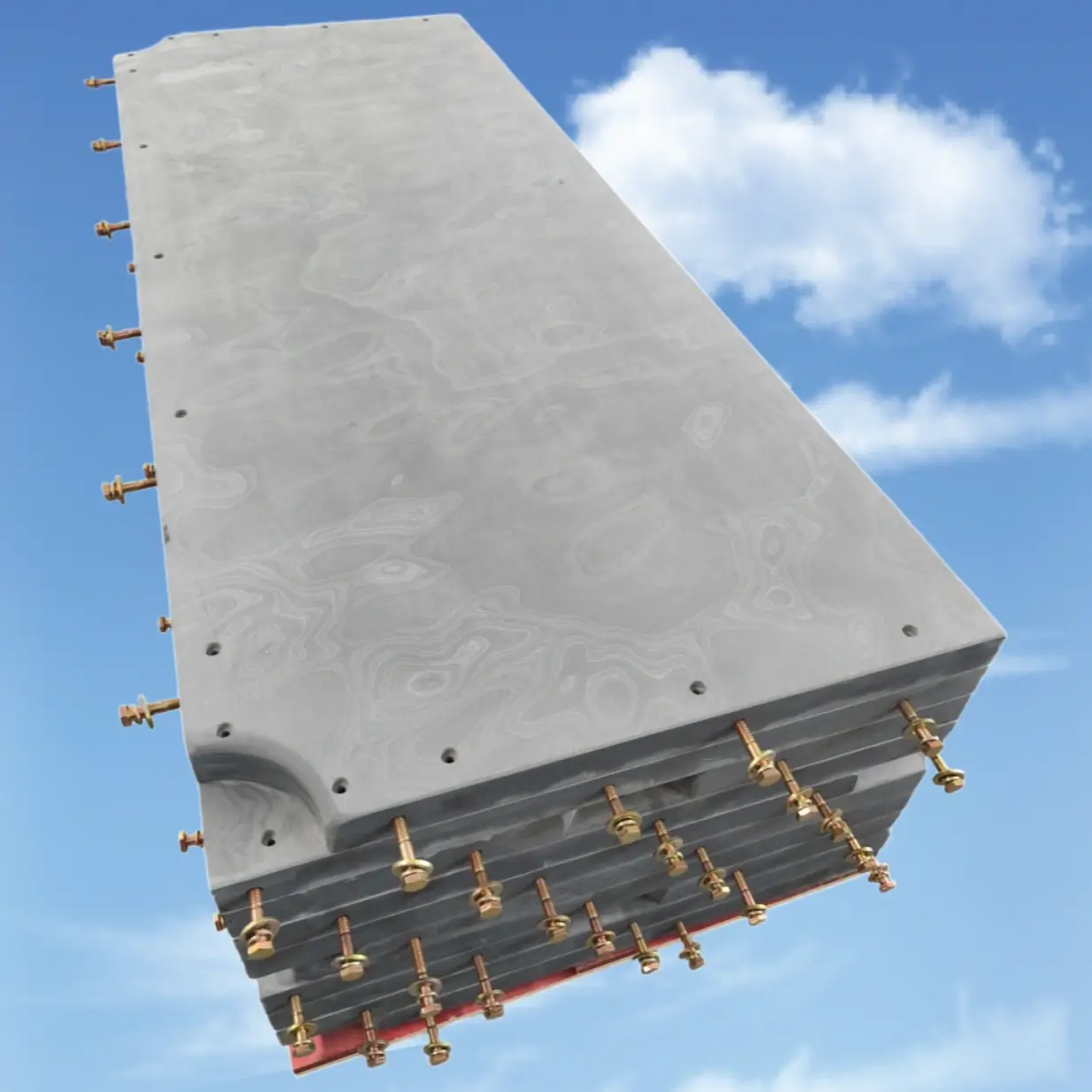
Steel Frame Crate Packaging
For heavy-duty commercial shipments, steel frame crates provide additional protection.
Advantages include:
- Maximum structural strength
- Better protection against impact
- Suitable for long-distance transportation
- Preferred for large-volume orders
Recommended for:
- Tournament slate
- High-value shipments
- Long transit routes
- Frequent handling environments
Fumigation and Export Compliance
Many countries require wood packaging materials to comply with ISPM 15 regulations.
When wooden crates are used, buyers should confirm whether the destination country requires:
- Heat treatment
- Fumigation
- IPPC marking
- Additional import documentation
Failure to meet local requirements may result in customs delays or additional inspection costs.
Factors That Affect Shipping Costs
The freight cost of pool slate is influenced by several factors beyond the product price itself.
Total Shipment Weight
Heavier slates increase transportation costs and may reduce the number of sets that can be loaded into a container.
Destination Country
Freight rates vary significantly depending on:
- Port location
- Shipping route
- Import regulations
- Local transportation costs
Container Type
Most slate shipments use:
- 20GP containers
- Full Container Load (FCL)
- Occasionally Less than Container Load (LCL)
For large orders, FCL shipments are generally the most economical option.
Packaging Method
Heavier-duty packaging improves protection but also increases total shipment weight and freight costs.
Tips for International Slate Buyers
Before ordering pool slate, buyers should request:
- Exact slate weight per set
- Packaging dimensions
- Gross and net weight
- Container loading quantity
- Recommended container type
- Export packaging specifications
This information helps avoid unexpected freight costs and ensures efficient logistics planning.
Why Accurate Slate Weight Matters for Export
Knowing the precise weight of your pool slate helps:
- Estimate freight costs accurately
- Calculate container loading capacity
- Plan warehouse handling requirements
- Avoid overweight container penalties
- Improve overall supply chain efficiency
For international buyers, slate weight is not only a technical specification—it is a key factor in total landed cost.


Why Tournament Pool Tables Use Heavier Slate
Professional tournament pool tables are designed to deliver the highest level of playing consistency, accuracy, and durability. One of the key reasons for this performance is the use of heavier, precision-machined slate.
Unlike entry-level recreational tables, tournament tables typically feature thicker slate and more robust construction to ensure a perfectly stable playing surface under demanding conditions.
Standard Slate Specifications for Tournament Pool Tables
Most professional pool tables use:
- 25mm (1″) slate
- Precision-machined playing surfaces
- Three-piece slate construction
- Heavy-duty table frames
- Professional leveling systems
These specifications have become the industry standard for tournament and championship-level play.
Why Heavier Slate Improves Performance
Although heavier slate increases transportation and installation requirements, it offers several important advantages that directly affect game quality.
Better Leveling Stability
A heavier slate provides a more rigid foundation for the playing surface.
Once properly installed and leveled, thicker slate is less likely to shift or deform over time, helping maintain long-term table accuracy.
This is especially important in:
- Tournament venues
- Commercial pool halls
- Professional training facilities
- High-traffic environments
Reduced Vibration
Every pool table experiences minor vibration from player movement, cue impact, and ball collisions.
Heavier slate absorbs these forces more effectively, resulting in:
- Greater table stability
- Reduced movement
- Improved playing consistency
This is one reason professional players prefer tournament-grade tables with substantial slate weight.
More Consistent Ball Roll
Perhaps the most important benefit is improved ball-roll accuracy.
A thicker, heavier slate helps create:
- Flatter playing surfaces
- More predictable ball paths
- Better speed consistency
- Improved shot precision
For competitive play, even small variations in table surface quality can influence performance.
Why 25mm Slate Is the Industry Standard
For modern professional pool tables, 25mm (1″) slate has become the most widely accepted standard.
It offers an excellent balance between:
| Advantage | Benefit |
|---|---|
| Stability | Consistent long-term leveling |
| Weight | Manageable transportation and installation |
| Durability | Suitable for commercial use |
| Performance | Tournament-grade playability |
| Cost Efficiency | Practical for large-scale production |
As a result, most leading tournament and commercial pool table manufacturers specify 25mm slate for their premium models.
Why Three-Piece Slate Is Preferred
Most tournament tables use three-piece slate construction rather than a single-piece slate.
Benefits include:
- Easier transportation
- Simplified handling
- Improved installation flexibility
- Better access through doors and stairways
- Practical international shipping
When properly installed and leveled, a three-piece slate delivers the same professional playing performance while greatly improving logistics and installation efficiency.
Choosing the Right Slate for Your Pool Table
Not every table requires tournament specifications.
19mm Slate
Best for:
- Residential use
- Entry-level tables
- Coin-operated tables
- Projects where lighter weight is preferred
25mm Slate
Best for:
- Commercial pool tables
- Premium residential tables
- Pool halls and clubs
- Professional training environments
- Tournament-grade performance
30mm Slate
Best for:
- Luxury custom tables
- Specialized commercial installations
- Projects requiring maximum rigidity and mass
The Bottom Line
Tournament pool tables use heavier slate because greater mass improves stability, reduces vibration, and helps maintain a more consistent playing surface.
For most professional applications, a 25mm precision-machined three-piece slate provides the ideal combination of performance, durability, installation practicality, and long-term reliability.
Frequently Asked Questions
Why Choose Jiujiang Pool Table Slate
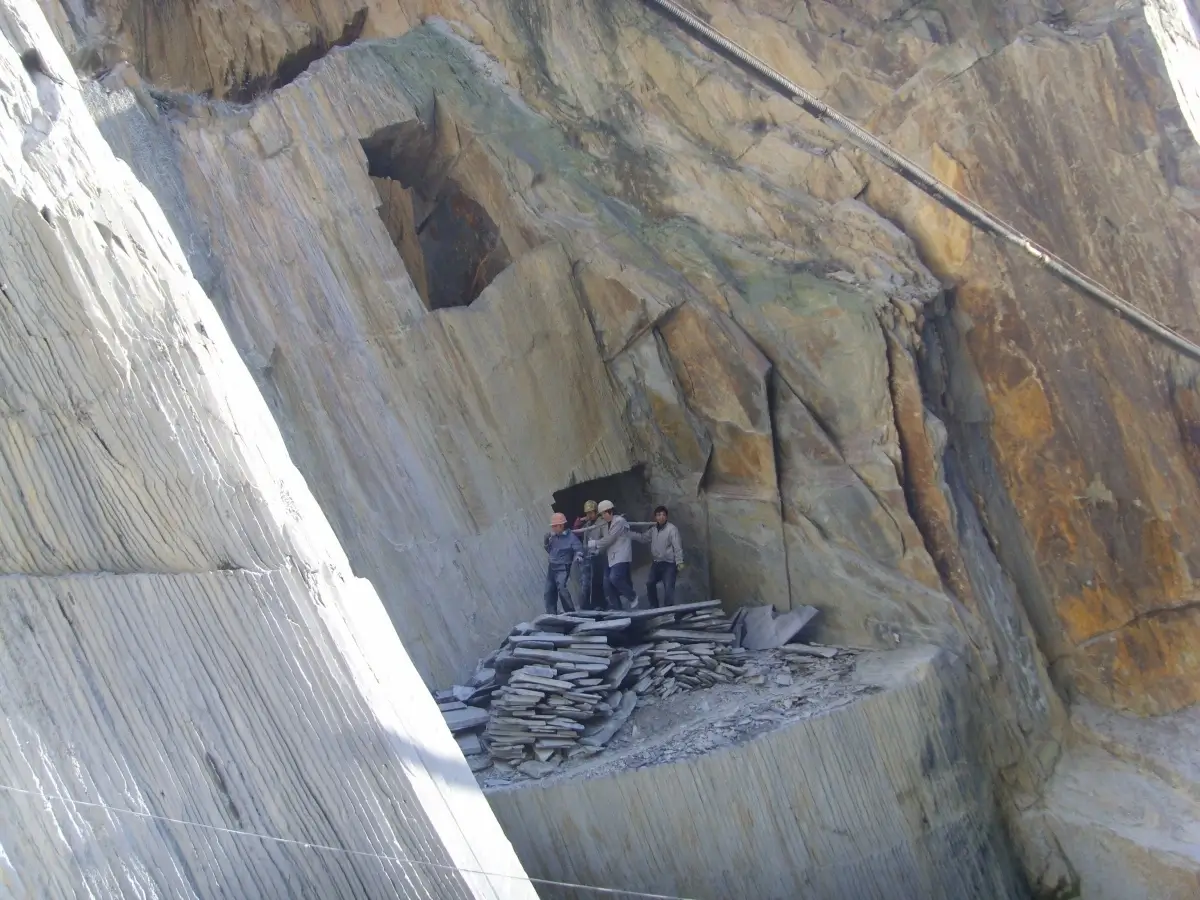
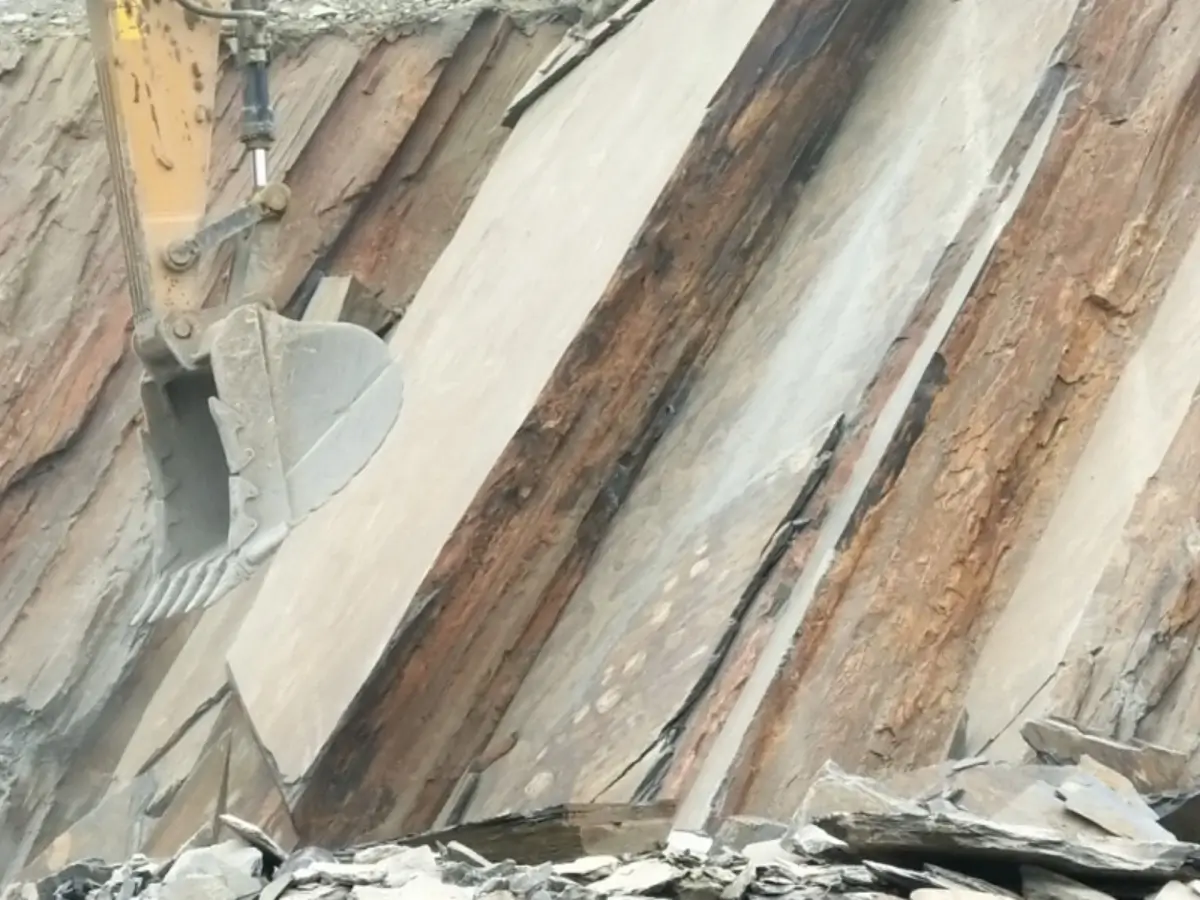
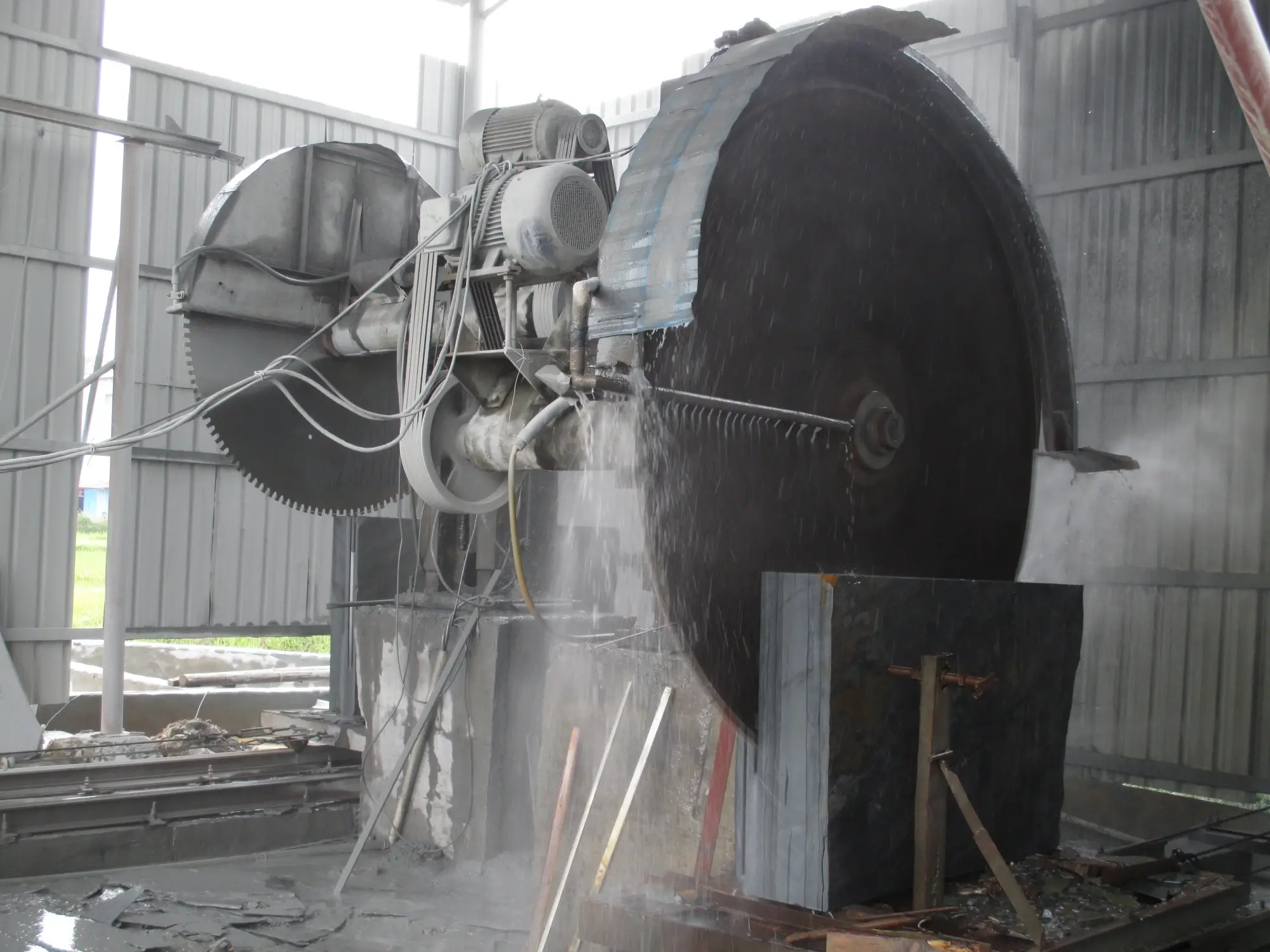
Jiujiang is recognized as one of the world’s leading manufacturing centers for billiard table slate. With decades of experience in slate quarrying, processing, and export, Jiujiang pool slate is widely used by pool table manufacturers, distributors, and commercial table builders worldwide.
Whether you require slate for residential tables, commercial installations, or professional tournament tables, Jiujiang slate provides the precision, stability, and reliability needed for long-term performance.
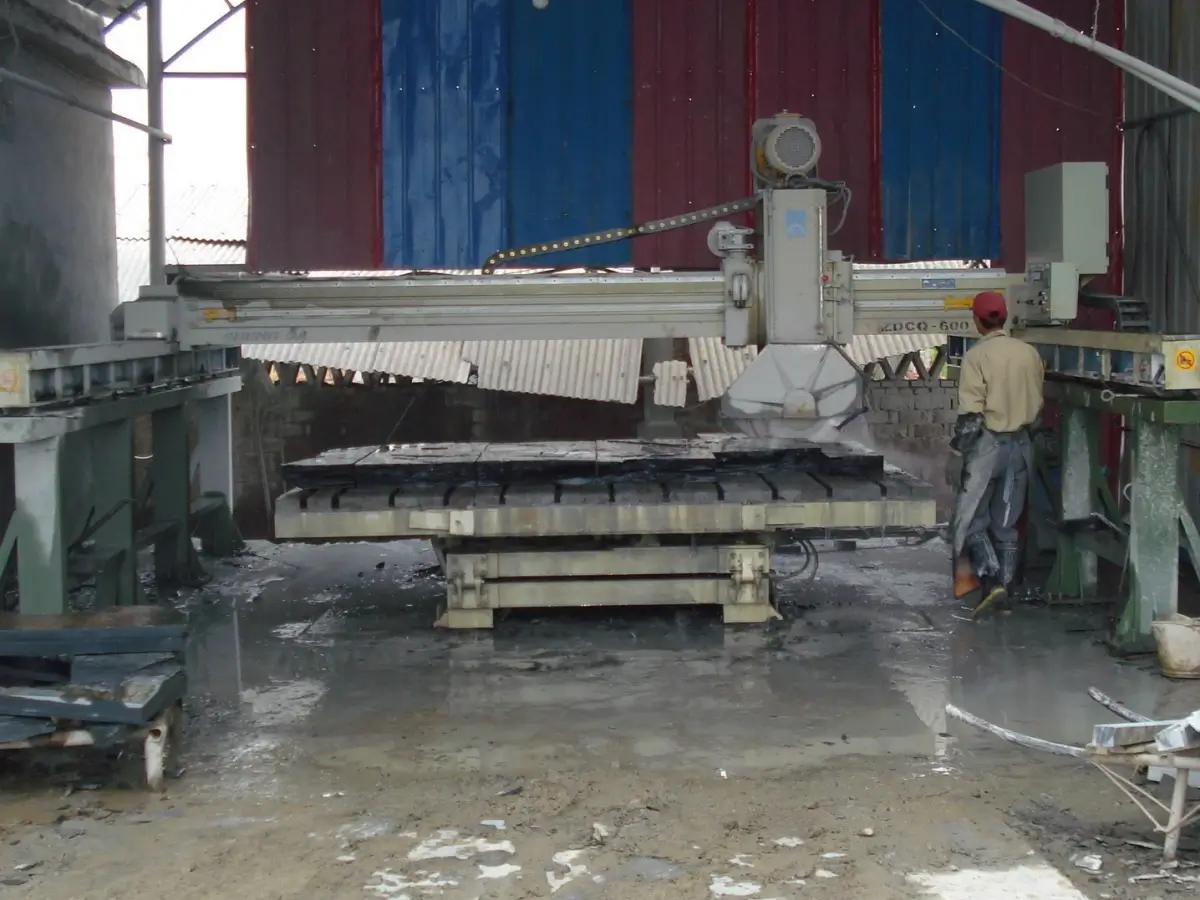
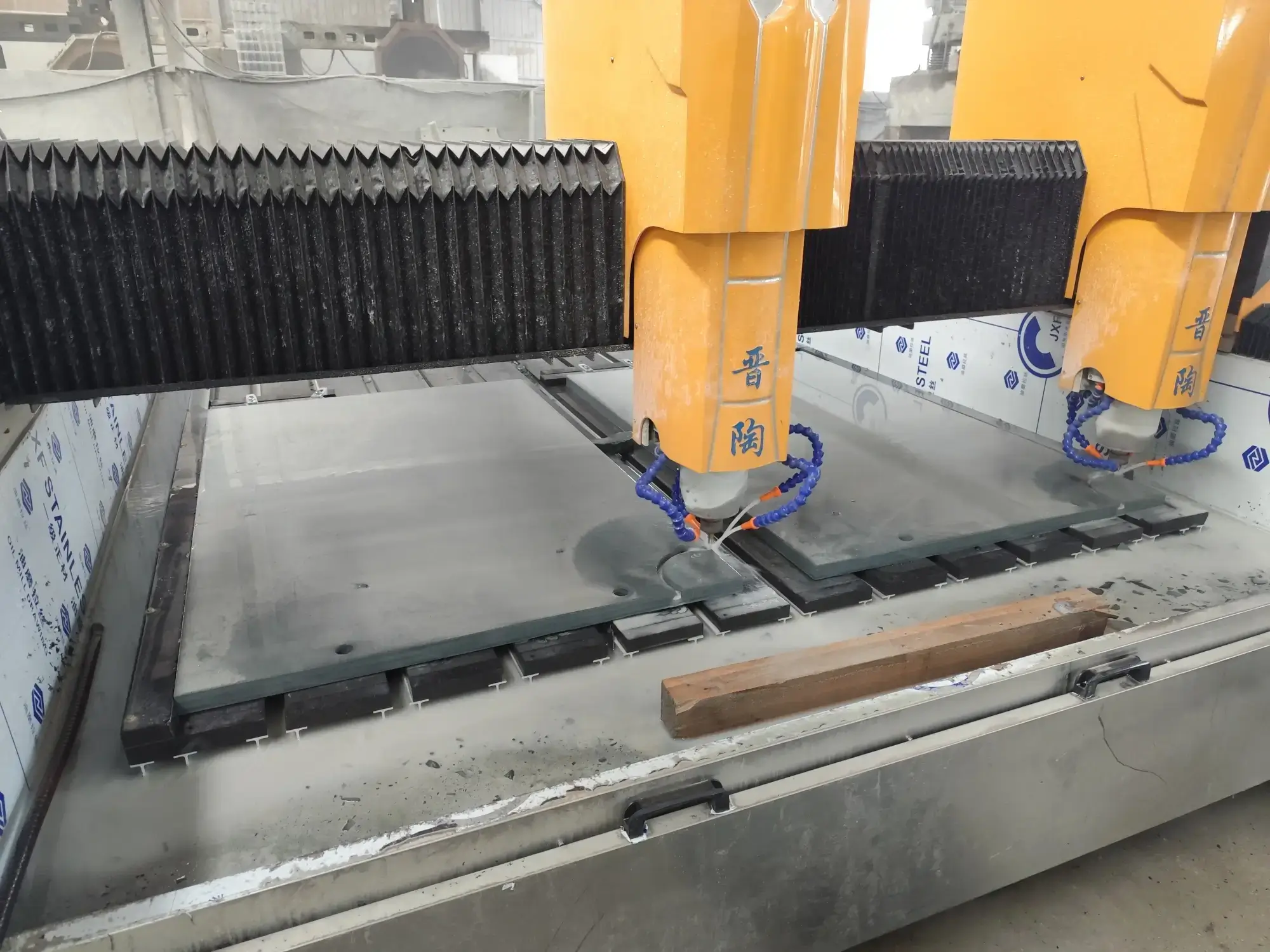
Precision-Machined Surface
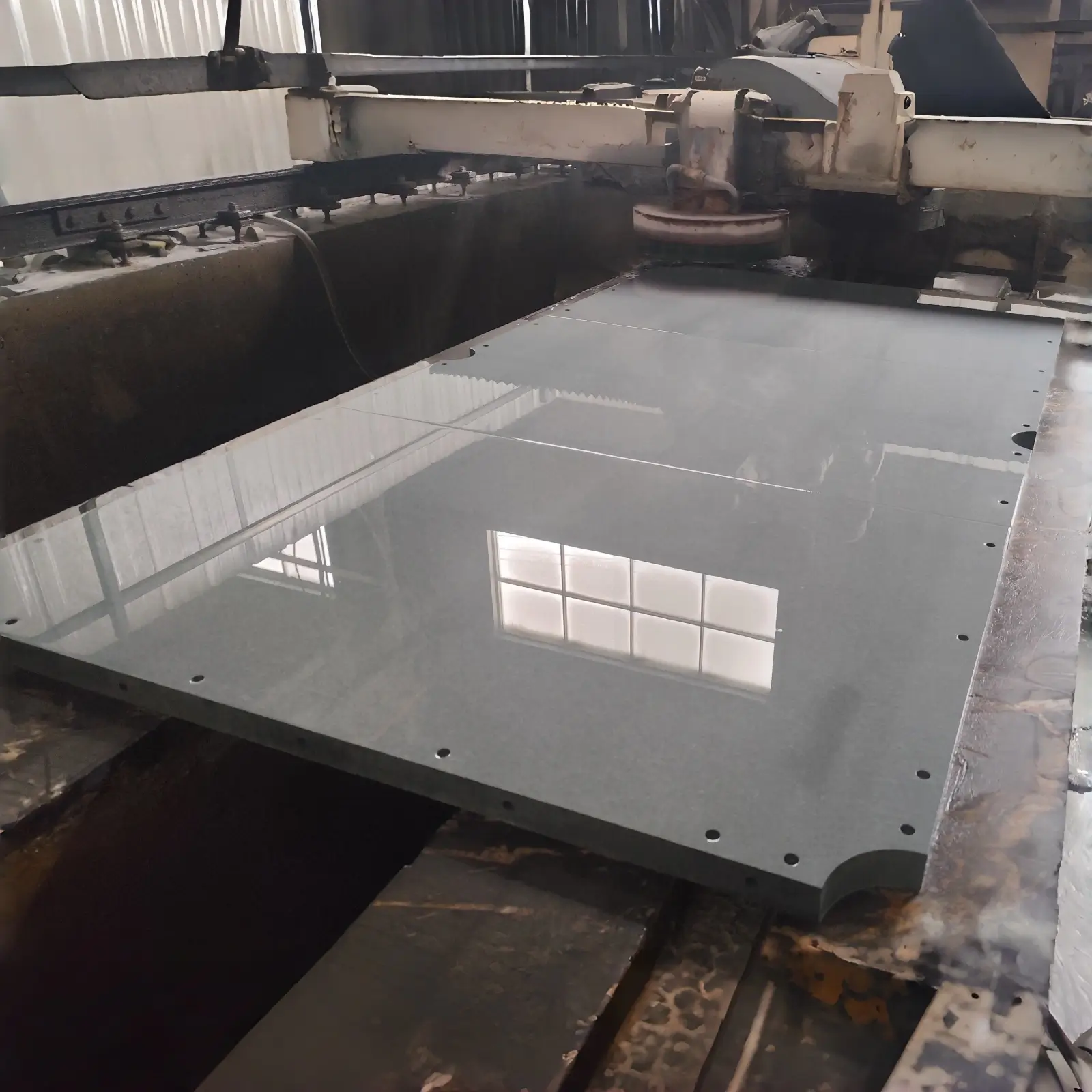
Every pool slate is precisely machined to ensure:
- Excellent flatness and leveling accuracy
- Consistent ball roll performance
- Accurate pocket positioning
- Reliable slate joint alignment
Precision machining is essential for both commercial and tournament-grade pool tables.
Stable Natural Slate Material
Jiujiang slate is valued for its:
- High dimensional stability
- Consistent density
- Low deformation risk
- Long service life
These characteristics help maintain a smooth and reliable playing surface over many years of use.
Available Slate Thicknesses
We offer multiple slate thickness options to meet different market requirements:
| Slate Thickness | Typical Applications |
|---|---|
| 19mm (3/4″) | Home and coin-operated tables |
| 25mm (1″) | Commercial and professional tables |
| 30mm (1-1/4″) | Premium and tournament-grade tables |
Available Pool Slate Sizes
Standard pool slate sizes include:
- 7ft Pool Table Slate
- 8ft Pool Table Slate
- 9ft Pool Table Slate
Custom machining specifications can also be supplied according to customer drawings and requirements.
OEM & Bulk Export Support
We support:
- OEM production
- Private label manufacturing
- Bulk export orders
- Custom pocket cut designs
- Customized machining specifications
- International container shipments
Our experienced export team can provide detailed weight charts, packing information, and container loading recommendations to help customers plan shipments efficiently.



Request Technical Information
Looking for exact slate weights, packing specifications, or container loading quantities?
Our team can provide:
- Pool Slate Weight Charts
- Packing Lists
- Container Loading Plans
- Technical Drawings
- OEM Production Support
Ready to Source Pool Table Slate?
Whether you need 7ft, 8ft, or 9ft pool slate, our team is ready to help.
Need Exact Pool Slate Weight Specifications?
Looking for detailed weight data, packing dimensions, container loading quantities, or custom slate specifications?
Contact Slate of China today for professional technical support and a free quotation.
Written by Slate of China Technical Team
With over 30 years of experience in billiard slate manufacturing and export, our team provides professional guidance on pool slate specifications, weight, thickness, machining, packaging, and installation.