
Why Jiujiang Slate Is Famous Worldwide
Every year, tens of thousands of tonnes of slate leave the port of Jiujiang, Jiangxi Province, bound for over 30 countries — from cold coastal towns in Norway and the UK to humid workshops in Southeast Asia. The same rock, cut from the same hills, becomes thin roofing tiles on one container and precision-ground billiard table beds on the next. That double life, and the scale that comes with it, is the real reason this small region has a global name.
Jiujiang slate is famous because it does two jobs at once. It splits into dense, frost-proof roofing tiles, and it machines into dead-flat billiard table beds. Few slate regions on earth can claim both at scale — and no other region supplies both from the same quarry face.
One Region, Two Industries, Thirty-Plus Countries
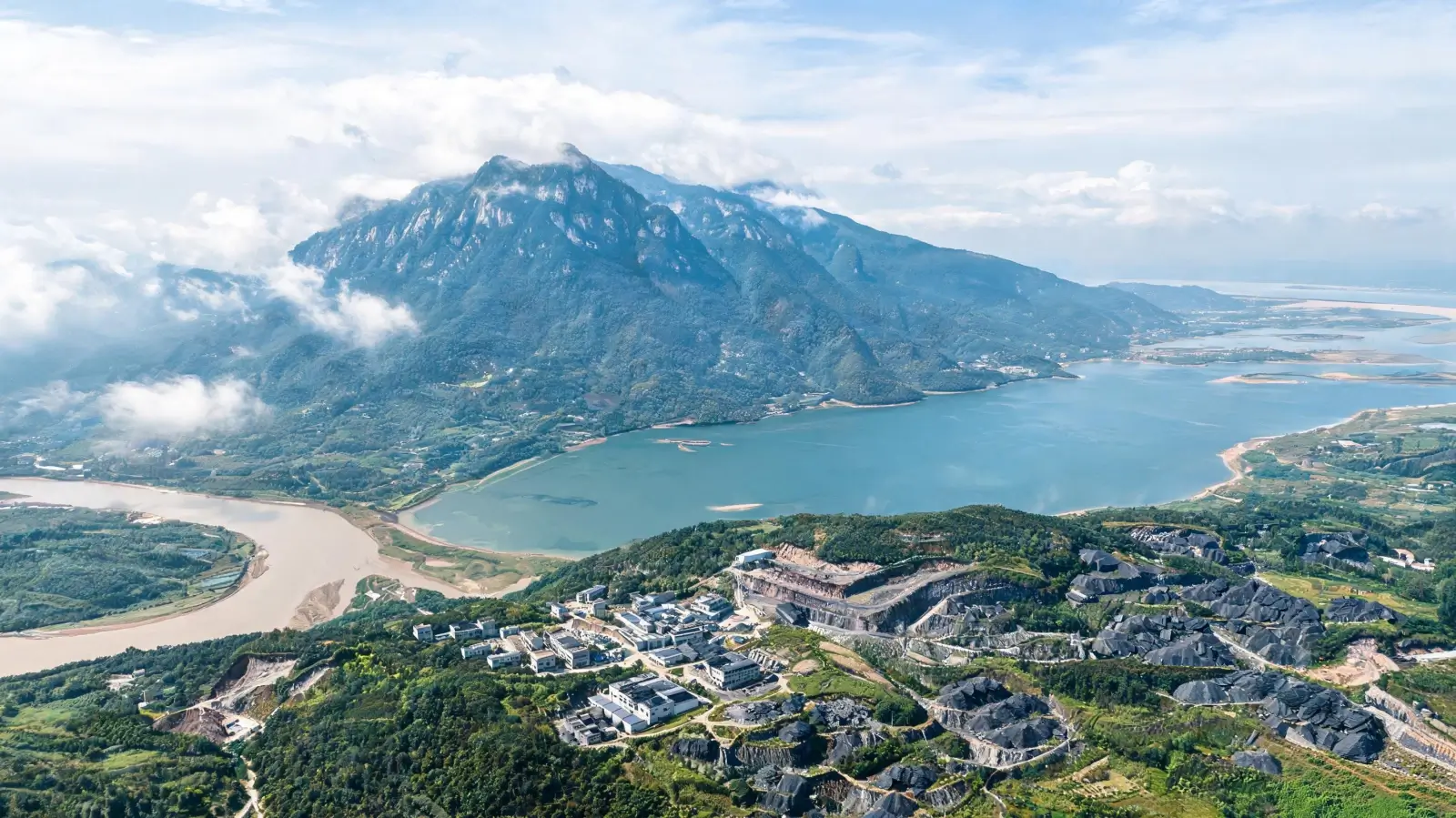
Ask most people in the international slate trade where "Chinese slate" comes from and they will say Jiangxi. Press them further and most will eventually land on Jiujiang — the prefecture-level city at the northern edge of the province, where the slate belt around Lushan mountain has been quarried for centuries.
Jiujiang slate feeds two unrelated markets:
- Roofing slate — thin (5–8 mm), dense tiles that survive frost, rain and salt air. These go to Europe and North America, with a strong share in cold-climate markets.
- Billiard slate — thick slabs (25–50 mm) ground flat to ±0.1 mm, used as the playing bed of pool and snooker tables around the world.
Roughly 80% of what the region ships is roofing slate and 20% is billiard slate. Yet in terms of global reputation, the billiard side punches far above its weight — a professional snooker table is the most demanding flatness job in the slate business, and Jiujiang has been doing it for decades.
Why the Stone Itself Makes a Region Famous
Fame in the stone trade is not built on marketing. It is built on a rock that behaves predictably at industrial scale. Jiujiang slate is a metamorphic rock — fine-grained shale that heat and pressure turned into dense slate. That geology gives it three properties the industry depends on:
- Density. At 2.7–2.8 g/cm³ it is heavy for slate. Dense slate resists water, damps vibration, and holds an edge when machined. For a billiard bed, density is what stops the bed from flexing under a moving ball.
- Low water absorption. The values tested for Jiujiang slate are among the lowest in the industry — low enough that a roof tile does not soak up rain and crack in a hard winter, and a table bed does not warp in a humid club.
- Clean cleavage. The rock splits into flat sheets with a chisel; the same block, cut thick, can be ground to ±0.1 mm on CNC equipment. One rock, two processing routes.
There is a public page of test results if you want the numbers — EN 12326 and ASTM C406 values, water absorption, flexural strength, freeze-thaw cycles. The point for a buyer is simpler: a region that has spent decades exporting both roofing tiles and billiard beds has been field-testing its rock against frost, rain and tournament play the whole time. That is a harder certification than any badge.
How It Compares With Other Slate Regions
| Region | Main use | Known for |
|---|---|---|
| Jiujiang (China) | Roofing + billiard | Density, low absorption, scale, CNC precision |
| Wales (UK) | Roofing | Heritage, historic buildings |
| Spain (Cantabria) | Roofing | Colour range, high volume |
| India | Roofing / decorative | Price, variability |
Each origin has its place. What Jiujiang does that the others do not is produce both roofing and billiard slate at scale from the same stone, which tells a buyer the rock is consistent enough to serve two very different standards of tolerance.
Why the Region Became a Name, Not Just a Port
The name "Jiujiang slate" is not a recent invention. For over a thousand years, local craftsmen have worked this dark slate — carving it into "Golden Star" inkstones, roofing their own farmhouses, and building with it. There are slate roofs in the villages around the quarries that are a century or more old and still weathertight. The 200-year-old slate gravestones still hold their edges.
That history matters for a buyer in an unexpected way: it means the stone was not "discovered" for export twenty years ago. It is a material that has survived the slowest and most demanding test there is — time — before the first container ever left the port.
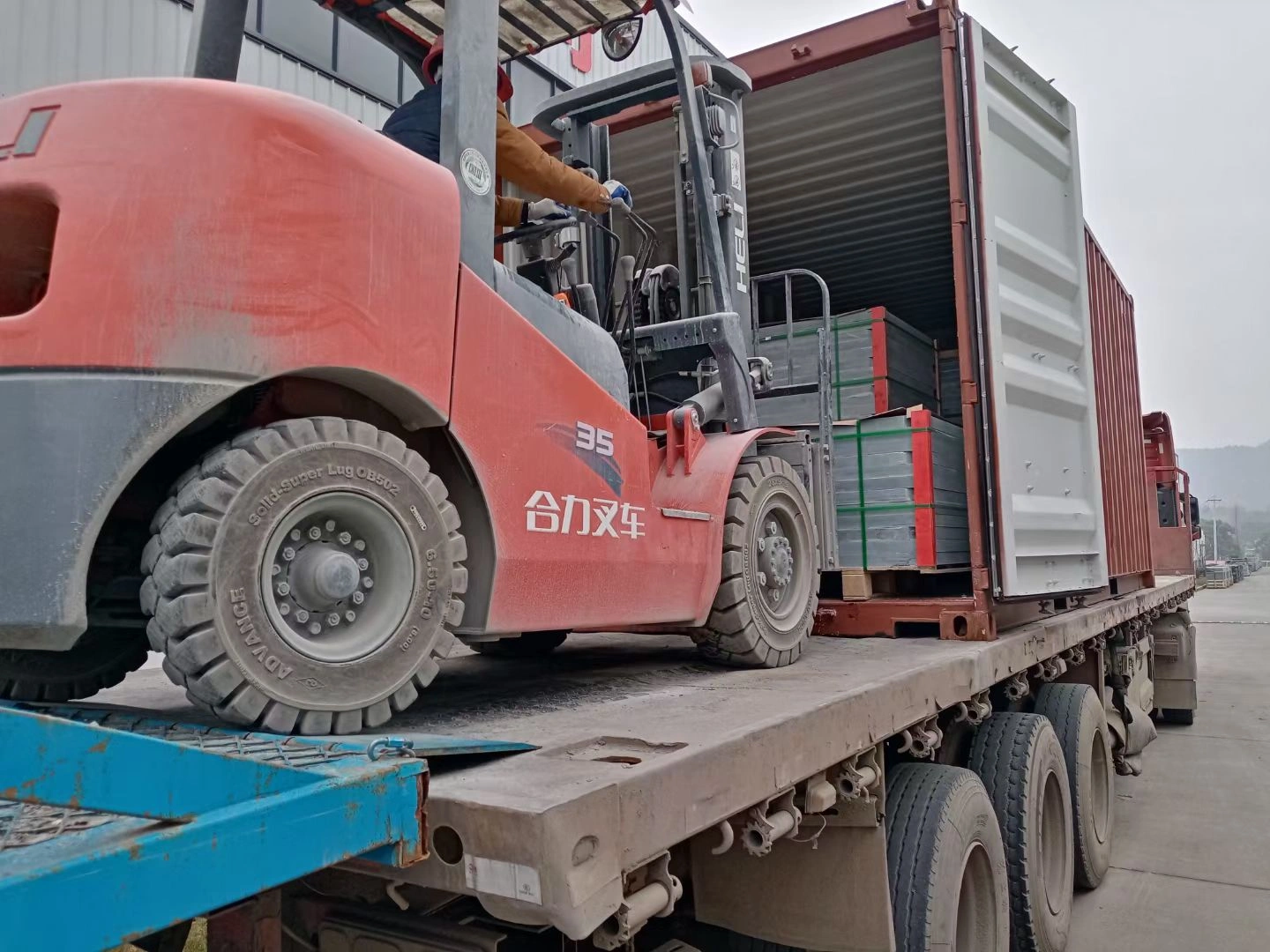
The region also sits on a logistics advantage. Jiujiang is a Yangtze River hub port, about 40 minutes by road from the factories of Lushan City (formerly Xingzi County). A container can be trucked from the factory, loaded with blocks, and back at the port the same day. For buyers, short domestic logistics are part of why Jiujiang slate is consistently competitive on price and lead time.
Quick Answers From the Trade
Is "Jiujiang slate" the same as "Lushan slate"? Yes. The quarries sit in the foothills of Lushan, in what is now Lushan City (formerly Xingzi County, renamed in 2016). Jiujiang is the prefecture-level city above it. All three names point at the same belt of rock.
Is Jiujiang slate actually used in professional billiards? Yes — the region has supplied the billiard trade for decades. The flatness standard in the trade (±0.1 mm over the bed) was built on the back of CNC-ground Jiujiang slabs. Factories in the region machine billiard beds to this tolerance and seal them on all six sides before export.
What is the real difference between Jiujiang and Spanish/Welsh/Indian slate? Different geology, different price point, different supply. Jiujiang competes on dense, low-absorption rock with a consistent standard at a price that Spanish and Welsh cannot match at volume, and with more consistent density than most Indian slate. The honest comparison is covered in our origin comparison guide.
Can I trust a factory in Jiujiang for quality? The region's exporters have shipped to 30+ countries for years, and serious factories publish their EN/ASTM test data publicly. The test results page on this site is a good example of the kind of evidence to look for before you commit.
Why "Famous" Should Matter to a Buyer
There is a practical reason to care about the reputation of a slate region, and it is not vanity. A region that exports to 30+ countries has built infrastructure — training, testing, CNC machining, packing and loading — that small producers cannot match. The same density that makes a roof tile last fifty years is the density that makes a CNC bed stay flat. The same stone that survives a Norwegian winter will not warp in a humid Shanghai club.
When you buy Jiujiang slate, you are not buying a new brand. You are buying from a region that has been proving the same rock for a very long time.
Related Reading
Send Your Enquiry to the Source
We quarry, split, CNC-machine and export Jiujiang slate from our own factory in Lushan City. Ask for test reports, samples, and a plain-language quote — we reply within one working day.