
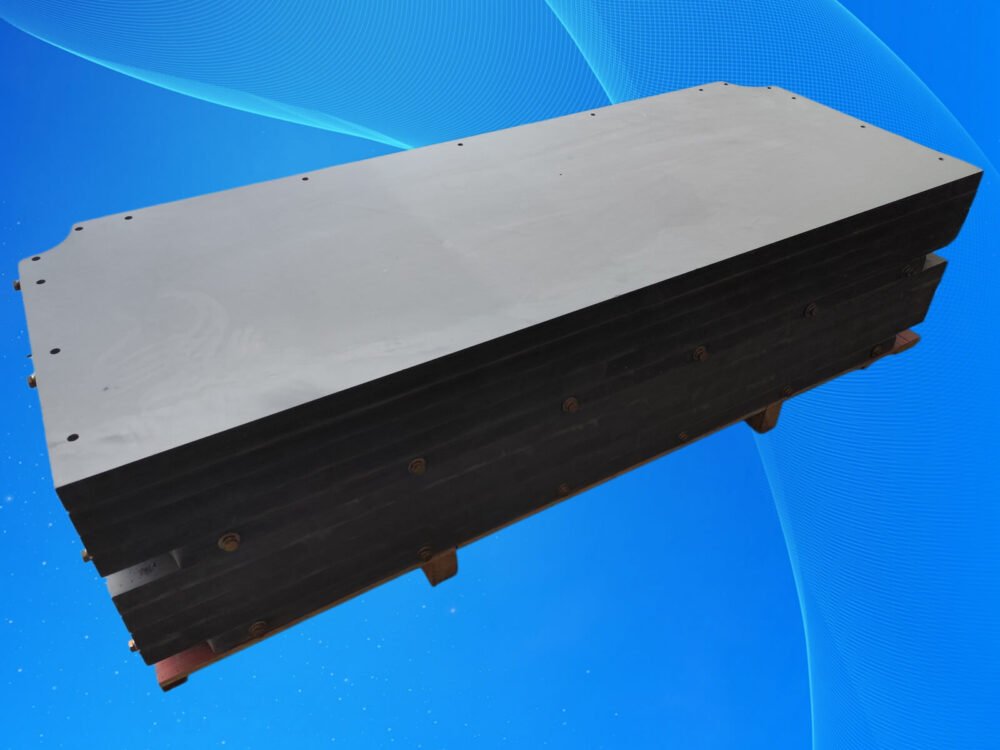
Selecting a snooker slate supplier is not just about price — it is about long-term performance, installation efficiency, and brand reputation.
For 12ft professional snooker tables, especially those using 45mm snooker slate, even small quality inconsistencies can create serious problems.
Yet many buyers make critical mistakes during supplier selection.
In this article, we outline the most common errors — and how to avoid them.
Mistake 1: Choosing Based on Price Alone
Low price often means:
Lower-grade quarry material
Minimal grinding precision
Weak packaging
No structured quality control
While initial cost may be attractive, the hidden risks include:
Installation delays
Seam alignment issues
Cracking during tightening
Export damage
For professional snooker table brands, the real cost is not the slate price — it is after-sales risk.
Mistake 2: Not Verifying Flatness Tolerance Standards
Many suppliers claim “good flatness” without specifying measurable tolerance.
Professional buyers should always ask:
What is the flatness tolerance? (±0.1mm? ±0.3mm?)
How is flatness measured?
Is inspection documented?
Without defined standards, “flat” becomes subjective.
For tournament-grade 12ft snooker slate, flatness tolerance must be controlled precisely.
Mistake 3: Ignoring Five-Piece Matching Process
A 12ft table uses a five-piece slate set.
Many buyers focus only on individual pieces, but overlook:
Density consistency between pieces
Thickness harmonization
Seam height pre-verification
Poor matching leads to:
Visible seam lines
Uneven ball roll across joints
Increased installation labor
Five-piece matching is a system-level process — not a cosmetic detail.
Mistake 4: Overlooking Thickness Consistency in 45mm Slate
Producing stable 45mm slate requires:
Larger raw blocks
Stress-controlled cutting
Precision grinding
Some suppliers cut directly to final thickness without allowance, leading to:
Internal stress imbalance
Higher cracking risk
Inconsistent structural behavior
Professional buyers should verify:
Thickness tolerance range
Cutting method
Grinding capability
Thicker slate demands stricter process control.
Mistake 5: Not Evaluating CNC Machining Accuracy
Bolt hole precision and edge alignment directly affect seam stability.
If machining accuracy is poor:
Bolt tightening creates uneven stress
Seams misalign
Installation becomes difficult
Ask suppliers:
How are bolt holes calibrated?
What tolerance is maintained?
Is edge alignment inspected?
Machining precision supports structural integrity.
Mistake 6: Ignoring Export Packaging Standards
A five-piece 45mm snooker slate set can weigh nearly 1000 kg.
Weak export packaging results in:
Corner damage
Surface chipping
Micro cracks
Replacement claims
Buyers should confirm:
Crate structure strength
Internal shock absorption
Container loading supervision
Packaging is part of quality assurance — not logistics only.
Mistake 7: Not Asking About Quality Control Documentation
Professional suppliers should maintain:
Material inspection records
Thickness measurement reports
Flatness inspection data
CNC verification logs
If documentation is unavailable, quality consistency may depend only on operator experience — not structured process control.
For long-term cooperation, traceability matters.
Mistake 8: Assuming All Slate Is the Same
Not all slate used for construction or decoration is suitable for snooker tables.
Professional snooker slate requires:
Fine grain structure
High density consistency
Stable internal layering
Precision surface grinding
Choosing a generic stone supplier instead of a professional snooker slate manufacturer increases performance risk.
Comparison: Low-Control Supplier vs Professional Snooker Slate Manufacturer
| Evaluation Factor | Low-Control Supplier | Professional Supplier |
|---|---|---|
| Flatness Tolerance | Undefined | ±0.1mm controlled |
| Thickness Consistency | Basic cutting | ±0.2mm calibrated |
| Five-Piece Matching | Random combination | Same-batch matching |
| CNC Machining | Standard drilling | Precision-controlled machining |
| Export Packaging | Basic crate | Reinforced export system |
| QC Documentation | Limited | Structured inspection records |
The difference is not visible in photos — it appears during installation and long-term use.
What Professional Buyers Should Always Confirm
Before placing an order for 12ft snooker slate, verify:
✔ Flatness tolerance standard
✔ Thickness calibration method
✔ Five-piece matching process
✔ CNC machining precision
✔ Export packaging design
✔ Quality inspection documentation
Serious suppliers will explain their process clearly and confidently.
Final Thoughts
Choosing a snooker slate supplier is a structural decision — not a transactional one.
For professional tournament tables and premium brands, consistent performance and risk control are more valuable than minor price differences.
Avoiding common sourcing mistakes protects:
Installation efficiency
Brand reputation
Customer satisfaction
Long-term business stability
The right supplier is not just a stone provider — but a technical partner.
Need Technical Details Before Selecting a Supplier?
We can provide:
Flatness tolerance reports
Thickness inspection data
Five-piece matching standards
CNC machining explanation
Export packaging specifications
Contact us to request full technical documentation or send your project requirements for evaluation.