
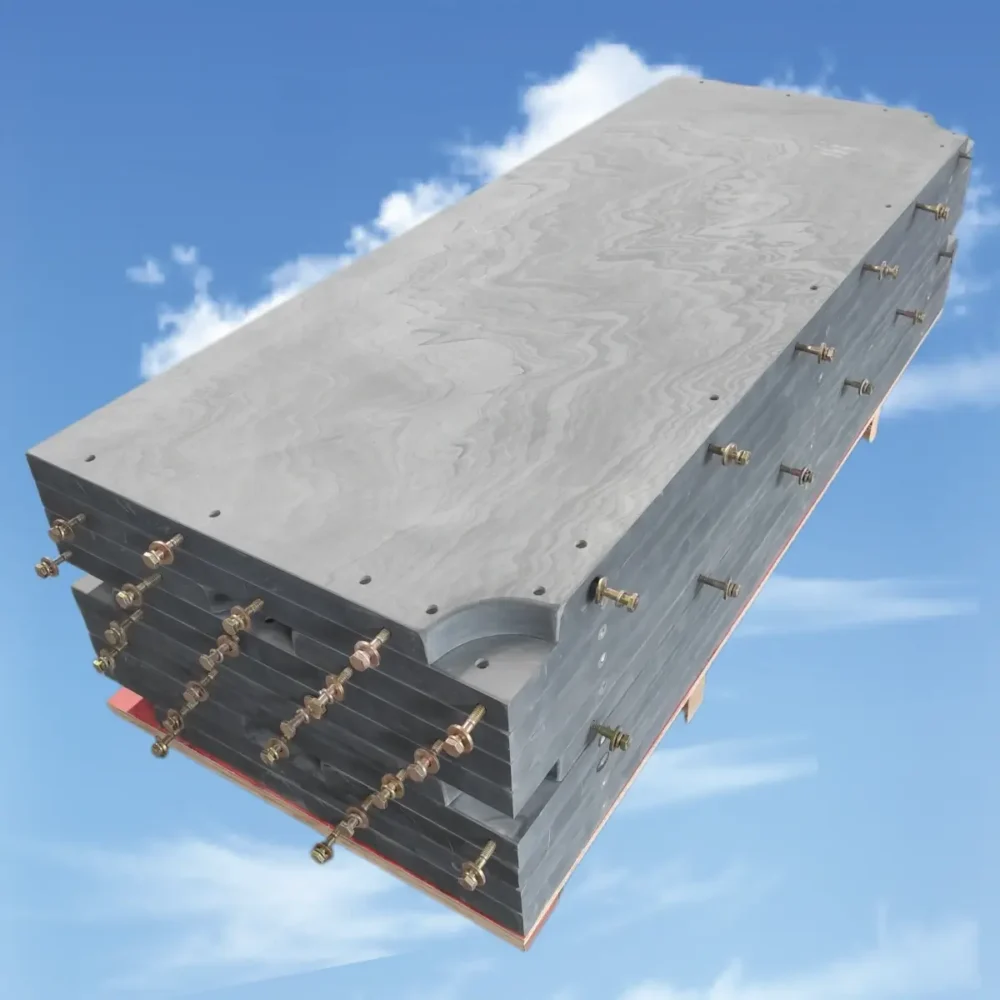
One of the most serious concerns for snooker table manufacturers and distributors is this:
Why does snooker slate crack during installation?
Slate cracking is not only a material problem — it causes:
Installation delays
Increased labor cost
Replacement expenses
Brand reputation damage
For 45mm snooker slate used in 12ft professional tables, even one cracked piece can stop an entire project.
In this article, we explain the real reasons behind snooker slate cracking problems — and how proper manufacturing control can prevent them.
1. Hidden Internal Micro-Cracks from Poor Quarry Material
Not all slate is suitable for billiard tables.
Low-grade quarry material often contains:
Natural fissures
Layer separation lines
Mineral inconsistency
Internal stress zones
These micro-cracks may not be visible during surface inspection.
However, during:
CNC machining
Transportation vibration
Bolt tightening during installation
They can expand and cause sudden cracking.
Prevention Strategy
Professional snooker slate manufacturers:
✔ Select dense, fine-grain blocks
✔ Reject blocks with visible bedding weaknesses
✔ Use controlled cutting methods to reduce stress
Material selection is the first line of defense against cracking.
2. Improper Thickness Cutting (Especially for 45mm Slate)
Producing 45mm snooker slate requires large, stable raw blocks.
Some suppliers attempt to cut thick slate from marginal-sized blocks.
This leads to:
Uneven internal stress
Structural weakness
Higher cracking risk during handling
Additionally, if slabs are cut directly to final thickness without allowance for grinding, internal stress remains uneven.
Prevention Strategy
Professional factories:
✔ Cut slabs 2–3mm thicker for stress relief
✔ Use gradual precision grinding
✔ Maintain structural balance across the slab
Controlled thickness processing greatly reduces cracking risk.
3. Inadequate Grinding Equipment
Small grinding machines cannot properly support large 12ft slate sections.
This results in:
Uneven pressure distribution
Edge stress
Localized vibration damage
Improper grinding can introduce micro stress fractures that later develop into cracks during installation.
Prevention Strategy
High-capacity large-format grinding machines:
✔ Support full slate surface evenly
✔ Calibrate pressure distribution
✔ Ensure smooth surface finish
Stable grinding equals stable structure.
4. Poor CNC Machining and Bolt Hole Drilling
Drilling bolt holes is one of the highest-risk stages.
If CNC machines are inaccurate or improperly calibrated:
Excessive force may be applied
Micro fractures may form around hole edges
Structural integrity weakens
When installers tighten bolts on-site, cracks may propagate from these weak points.
Prevention Strategy
Professional CNC processing includes:
✔ Controlled drilling speed
✔ Edge reinforcement around bolt holes
✔ Precision alignment to reduce stress
Hole accuracy and stress management are critical.
5. Incorrect Packaging and Transport Handling
A full 12ft five-piece slate set can weigh close to 1000 kg.
If packaging is weak:
Vibration damage occurs
Corners chip
Micro cracks expand
Common export mistakes include:
Insufficient internal cushioning
Poor weight distribution inside crates
No edge protection
Prevention Strategy
Professional export packaging should include:
✔ Reinforced wooden crates
✔ Internal shock-absorbing materials
✔ Edge corner protection
✔ Stable container loading arrangement
Transport protection is part of manufacturing responsibility.
6. Over-Tightening During Installation
Not all cracking is caused by manufacturing.
Improper installation practices may cause:
Uneven frame support
Excessive bolt torque
Local pressure concentration
Even high-quality snooker slate can crack under improper installation stress.
Prevention Strategy
Reliable manufacturers often provide:
✔ Installation guidance
✔ Torque recommendations
✔ Support frame alignment instructions
Clear communication reduces risk on-site.
Common Causes of Snooker Slate Cracking — Comparison Overview
| Risk Factor | Low-Quality Manufacturing | Professional Manufacturing |
|---|---|---|
| Quarry Material | Inconsistent, layered slate | Dense, fine-grain material |
| Thickness Control | Direct cutting, no allowance | Oversize cutting + stress relief |
| Grinding | Small equipment, uneven pressure | Large-format precision grinding |
| CNC Machining | Inaccurate drilling | Controlled precision machining |
| Packaging | Basic wooden crate | Reinforced export packaging |
| Installation Support | No guidance | Technical support provided |
Most cracking problems are preventable with proper process control.
Why 45mm Snooker Slate Requires Higher Standards
Thicker slate means:
Higher internal weight
Greater structural load
More stress during handling
This is why 45mm snooker slate manufacturing must follow stricter quality control compared to thinner pool table slate.
Professional suppliers understand that thickness increases risk — and adjust processes accordingly.
How to Evaluate a Snooker Slate Supplier for Crack Prevention
Before confirming orders, buyers should verify:
✔ Quarry material stability
✔ Thickness processing method
✔ Grinding equipment scale
✔ CNC precision capability
✔ Export packaging system
✔ Installation guidance support
If a supplier cannot clearly explain these steps, cracking risk increases.
Final Thoughts
Snooker slate cracking during installation is not random.
It usually results from:
Poor material selection
Improper thickness processing
Inadequate equipment
Weak packaging
Lack of technical support
Professional snooker slate manufacturing integrates:
Material control
Stress management
Precision machining
Safe export packaging
For serious snooker table brands, preventing cracking is about protecting reputation.
Need Technical Details About Our 45mm Snooker Slate?
We can provide:
Material density data
Thickness processing explanation
CNC machining standards
Export packaging details
Installation recommendations
Contact us for full technical documentation or send your project specifications for evaluation.