
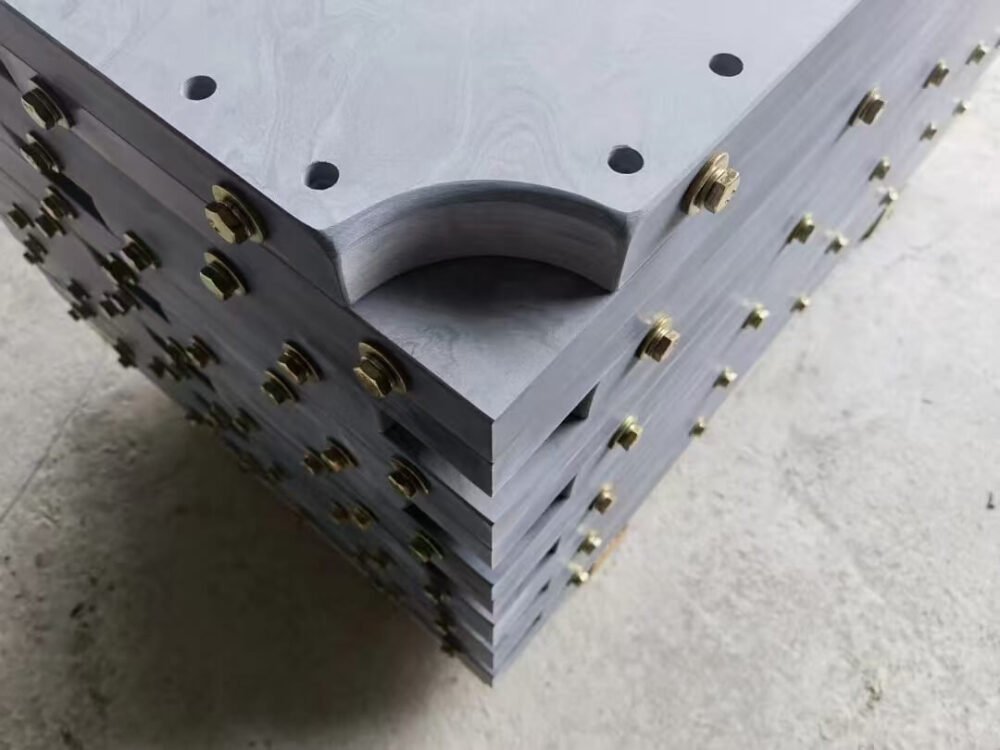
If you are searching for billiard slate, pool table slate thickness, or the best slate for a professional pool table, this guide explains everything you need to know.
Billiard slate is the foundation of every high-quality pool table. Without precision slate, a table cannot provide accurate ball roll, long-term stability, or tournament-level performance.
In this comprehensive guide, we cover:
What billiard slate is made of
Why natural slate is used for pool tables
Slate thickness standards (19mm, 25mm, 30mm, 45mm)
One-piece vs three-piece slate
How to identify high-quality slate
Why Jiujiang slate is globally recognized
1. What Is Billiard Slate?
Billiard slate is a natural metamorphic stone used as the playing surface base for:
Pool tables
Snooker tables
Chinese 8-ball tables
Carom billiard tables
It is quarried from underground slate deposits and processed using:
Block cutting machines
CNC machining centers
Precision surface grinding equipment
Thickness calibration systems
Flatness inspection tools
The final product is a perfectly flat stone bed that is covered with billiard cloth.
Without slate, a pool table cannot achieve professional-level performance.
2. Why Is Slate Used for Pool Tables Instead of Wood or MDF?
Many people ask:
Why not use MDF board or plywood instead of slate?
Here is the technical comparison.
2.1 Density and Stability
Natural slate has high compressive strength and density.
It does not bend under long-term weight pressure.
Wood and MDF absorb moisture and warp over time.
2.2 Precision Grinding Capability
Slate can be ground to extremely tight tolerances:
Flatness tolerance: ±0.1 mm
Thickness tolerance: ±0.2 mm
Wood-based materials cannot achieve this precision.
2.3 Long-Term Durability
A properly manufactured natural slate pool table bed can last 20–30 years or longer.
That is why all professional tournament tables use slate.
3. Standard Pool Table Slate Thickness Guide
One of the most searched topics is:
What thickness slate is best for a pool table?
Here is the industry standard:
| Table Type | Standard Slate Thickness |
|---|---|
| 7ft / 8ft Pool Table | 19mm – 25mm |
| 9ft Professional Pool | 25mm – 30mm |
| Chinese 8-Ball Table | 25mm – 30mm |
| 12ft Snooker Table | 45mm |
Why 45mm for 12ft Snooker Tables?
Larger table size requires stronger structural support
Prevents deflection
Ensures tournament-level stability
For professional snooker slate, 45mm thickness is the global standard.
4. One-Piece vs Three-Piece vs Five-Piece Slate
Another common question:
Should I choose one-piece slate or three-piece slate?
One-Piece Slate
✔ Easier alignment
✔ No seam filling
✖ Difficult to transport
✖ Higher shipping cost
Three-Piece Slate
✔ Easier international shipping
✔ Common for 7ft–9ft tables
✔ Simple on-site leveling
Five-Piece Slate
✔ Required for 12ft snooker tables
✔ Ensures structural strength
✔ Easier handling during installation
For export markets, three-piece slate is the most common choice.
5. What Determines High-Quality Billiard Slate?
Not all slate is suitable for professional pool tables.
Key quality factors include:
5.1 Geological Density
Higher density = better stability.
5.2 Fine Grain Structure
Uniform grain ensures smooth grinding and consistent ball roll.
5.3 No Internal Cracks
Internal fractures reduce durability.
5.4 Advanced Grinding Technology
Precision surface grinding ensures:
Perfect flatness
Even thickness
Smooth cloth installation
5.5 Strict Quality Inspection
Professional manufacturers test:
Flatness using straight-edge tools
Thickness consistency
Surface smoothness
Structural integrity
6. Why Jiujiang Slate Is Popular in the Global Market
When buyers search for Jiujiang slate for billiard tables, they are looking for:
High density material
Excellent machinability
Stable geological formation
Long export history
Jiujiang slate has been exported to:
Europe
North America
Southeast Asia
Middle East
Because of its consistency and durability, it is widely used in professional pool and snooker tables worldwide.
7. Common Problems with Low-Quality Pool Table Slate
Choosing cheap slate may cause:
Warping over time
Uneven ball roll
Breakage during shipping
Thickness inconsistency
Poor seam alignment
These issues damage both brand reputation and customer satisfaction.
8. How to Choose a Reliable Billiard Slate Supplier
If you are a:
Pool table manufacturer
Importer or distributor
Tournament table brand
Look for suppliers who have:
Stable quarry resources
CNC processing capability
Precision grinding equipment
Strict quality control procedures
Safe export packing system
International shipping experience
Consistency is more important than price.
9. Frequently Asked Questions (FAQ)
Q1: What is the best slate for a pool table?
High-density natural slate with fine grain structure and precision grinding is the best choice.
Q2: How thick should pool table slate be?
For most 7–9ft pool tables, 25mm–30mm is recommended.
For 12ft snooker tables, 45mm is standard.
Q3: Is one-piece slate better than three-piece?
Not necessarily. Three-piece slate is easier for transport and installation in most cases.
Q4: How long does pool table slate last?
With proper installation and maintenance, high-quality slate can last decades.
Final Thoughts
Billiard slate is the structural heart of every professional pool table.
Its density, flatness, and durability directly affect:
Ball roll accuracy
Game consistency
Long-term table stability
Choosing high-quality natural slate from a reliable manufacturer ensures your tables meet professional standards and international expectations.